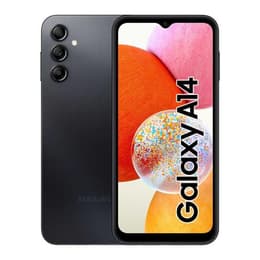
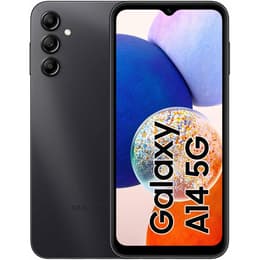

Galaxy A14 vs Galaxy A14 5G

Galaxy A14
Galaxy A14
Starting at

Refurbished price:A$216.00

Versus A$390.00 new

See options
Galaxy A14 5G
Galaxy A14 5G
Starting at

Refurbished price:A$133.00

Versus A$417.00 new

See options

Ratings

The Samsung Galaxy A14 (2023) and the Samsung Galaxy A14 5G (2023) are both smartphones from Samsung's A-series, designed to offer essential features for everyday use. While they share a similar design and core functionalities, their primary distinction lies in network connectivity and a few underlying hardware differences that impact performance and display fluidity.

Scores

Durability

Both the Galaxy A14 and Galaxy A14 5G were released in 2023, with the 5G model launching in January and the 4G LTE model in February. This means they benefit from a similar software support timeline from Samsung.

  • Software Longevity: Both devices launched with Android 13 and are expected to receive two major Android OS upgrades, extending their software support to Android 15. They are also slated to receive four years of security updates, providing a consistent and secure user experience over several years. [3, 23, 36]
  • Practical Lifespan: Given their release timeline and software commitment, users can anticipate a practical lifespan of approximately 3-4 years for optimal performance and security.
  • Repairability: Both models feature a plastic construction, which can offer some resilience to minor impacts. Information on specific repairability scores is not widely detailed, but their design generally allows for component replacement by skilled technicians.

Release year

2023

2023

Compatible with latest Update

No

Yes

Operating system

Android

Android

Foldable

No

No

Performance

The performance of these two devices varies primarily due to their different internal components, affecting how smoothly they handle daily tasks and more demanding applications.

  • Everyday Responsiveness: The Galaxy A14 5G, equipped with a more capable processor, generally offers a smoother experience for daily tasks like browsing, social media, and app switching. The standard Galaxy A14 handles these tasks adequately, though some users might notice occasional delays or stutters, particularly when multitasking. [16, 17, 30]
  • Demanding Applications: For more intensive use, such as mobile gaming or running several applications simultaneously, the Galaxy A14 5G provides a more consistent experience. The standard A14 may exhibit more noticeable slowdowns or longer loading times in such scenarios. [16, 24]
  • Storage and Multitasking: Both models offer various storage configurations, typically 64GB or 128GB, expandable via microSD, which is beneficial for users with large media libraries. RAM options also vary, with the 5G model sometimes offering higher configurations, contributing to better multitasking capabilities. [3, 10, 15, 18]
  • Battery Behavior: Both devices are equipped with a 5000mAh battery, which generally provides ample power for a full day of moderate to heavy use. Many users report that both models can last up to two days on a single charge with lighter usage patterns. [1, 4, 5, 8, 12, 25] Charging is limited to 15W wired charging for both, meaning a full charge takes a few hours. [4, 5, 12]

Memory (GB)

4 GB

4 GB

Screen quality

Both Galaxy A14 models feature large displays, but there is a notable difference in their refresh rates, impacting the visual fluidity.

  • Display Technology and Clarity: Both the Galaxy A14 and Galaxy A14 5G utilize a 6.6-inch PLS LCD panel with a Full HD+ resolution (1080 x 2408 pixels). This provides a clear and detailed viewing experience for general content consumption. [2, 4, 10, 18]
  • Smoothness of Interaction: A key differentiator is the refresh rate. The Galaxy A14 features a standard 60Hz refresh rate, while the Galaxy A14 5G offers a smoother 90Hz refresh rate. This higher refresh rate on the 5G model results in more fluid scrolling and a more responsive feel during interactions. [1, 2, 3, 18, 25]
  • Brightness and Outdoor Visibility: User feedback indicates that while the displays offer good color reproduction indoors, their brightness levels can be a limitation in direct sunlight, making outdoor viewing challenging for both models. [1, 4, 25]

Resolution

1080 x 2408

1080 x 2408

Screen type

PLS LCD

PLS LCD

Audiovisual

The camera systems on the Galaxy A14 and Galaxy A14 5G share similarities in their main sensor but differ in their secondary lenses, affecting their versatility.

  • Main Camera Performance: Both phones feature a 50-megapixel main camera with an f/1.8 aperture, capable of capturing detailed images in good lighting conditions. Users generally find the main camera to be capable for everyday photography. [1, 2, 4, 10, 11, 13, 18, 26]
  • Secondary Lenses: The Galaxy A14 (4G) includes a 5-megapixel ultrawide lens and a 2-megapixel macro lens, offering more options for capturing broader scenes or close-up details. In contrast, the Galaxy A14 5G replaces the ultrawide with a 2-megapixel depth sensor, alongside a 2-megapixel macro lens. This means the 4G model provides more versatility for landscape or group shots, while the 5G model focuses on improving portrait mode effects. [2, 10, 11, 13, 15, 18]
  • Front Camera and Video: Both devices are equipped with a 13-megapixel front-facing camera, suitable for selfies and video calls. Video recording on both models is capped at 1080p at 30 frames per second for both front and rear cameras. [1, 10, 11, 18, 26] Low-light performance for both models is generally considered adequate but not exceptional. [1, 4, 16]

Main camera

50 megapixels

50 megapixels

Front camera

13 megapixels

13 megapixels

Miscellaneous

Beyond core specifications, several practical features contribute to the overall user experience of these smartphones.

  • Connectivity Standards: The most significant difference is network support: the Galaxy A14 connects to 4G LTE networks, while the Galaxy A14 5G offers faster 5G connectivity, which can be beneficial for streaming, gaming, and large downloads in areas with 5G coverage. Both support Wi-Fi 5 and NFC for contactless payments. [1, 10, 14, 15, 18, 25]
  • Ports and Sensors: Both models retain a 3.5mm headphone jack, a feature appreciated by many users. They both use a USB-C 2.0 port for charging and data transfer. For security, both include a side-mounted fingerprint sensor, which is generally responsive. [2, 10, 14, 15, 16, 18]
  • Physical Characteristics: With similar dimensions and weight, both phones offer a substantial feel in hand. Their plastic build contributes to durability, though neither has an official IP rating for water and dust resistance. [6, 13, 15, 27, 36] The Galaxy A14 5G features Bluetooth 5.2, a slight upgrade from the Galaxy A14's Bluetooth 5.1. [2, 14, 15, 18]

Weight

201 oz

205 oz

Screen size (in)

6.6

6.6

Network

4G

5G

SIM card

Physical SIM

Physical SIM

Carrier compatibility

Unlocked

Unlocked

User feedback for both the Samsung Galaxy A14 and Galaxy A14 5G often highlights their strong battery life as a significant advantage, with many reporting two days of usage on a single charge. The main 50-megapixel camera on both devices is generally praised for delivering decent results in well-lit conditions. The inclusion of a 3.5mm headphone jack and expandable storage are also frequently cited as positive aspects. [4, 5, 8, 12, 16, 17, 19, 25, 36]

However, common criticisms for both models include performance that can feel sluggish, especially with multiple apps or demanding tasks, and a display that struggles with brightness in direct sunlight. The 15W charging speed is also noted as being slow compared to some alternatives. For the Galaxy A14 5G, some users express disappointment over the lack of an ultrawide camera, a feature present in its 4G counterpart. Audio quality from the single speaker is also a frequent point of concern. [1, 4, 13, 16, 17, 19, 25, 30, 31, 34]

Users prioritizing faster network speeds and a smoother display experience for everyday navigation may find the Galaxy A14 5G better suited to their needs. Its 90Hz refresh rate and 5G connectivity offer a more modern feel. Conversely, those who value an ultrawide camera for more versatile photography and do not require 5G speeds might lean towards the standard Galaxy A14. Both devices serve as reliable options for essential smartphone functions, and considering a quality-assured refurbished option can be an eco-friendly alternative for either model.

See all articles

Our recent comparisons