
Galaxy A14 5G vs Google Pixel 8

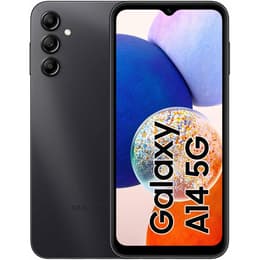
Galaxy A14 5G
Galaxy A14 5G
Starting at

Refurbished price:A$220.00

Versus A$280.00 new

See options
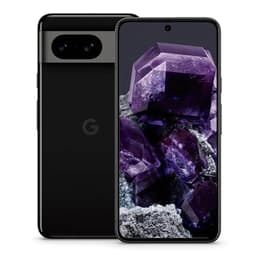
Google Pixel 8
Google Pixel 8
Starting at

Refurbished price:A$465.00

Versus A$1,245.00 new

See options

The Samsung Galaxy A14 5G, released in January 2023, and the Google Pixel 8, launched in October 2023, are both Android smartphones offering distinct experiences. While the Galaxy A14 5G focuses on delivering essential smartphone features with 5G connectivity, the Pixel 8 emphasizes advanced camera capabilities, a premium user experience, and extended software support. Both devices run on the Android operating system, but they cater to different user priorities through their hardware and software philosophies.

Scores

Durability

The expected lifespan of a smartphone is significantly influenced by its release timeline, software support, and physical durability.

  • Release Timeline and Software Support: The Galaxy A14 5G, released in early 2023, typically receives two major Android OS updates and four years of security updates, extending its software support until around 2027. In contrast, the Pixel 8, launched in late 2023, boasts an industry-leading commitment of seven years of OS and security updates, meaning it will be supported until at least October 2030. This extended support for the Pixel 8 provides a longer period of access to new features and security patches.
  • Repairability and Build: The Galaxy A14 5G features a plastic frame and back, which can offer some resilience against minor impacts, though it lacks an official IP rating for water and dust resistance. The Pixel 8, on the other hand, incorporates a more premium build with Gorilla Glass Victus on both the front and back, an aluminum frame, and an IP68 rating, indicating better protection against dust and water immersion.
  • Practical Lifespan: Users seeking a device with the longest possible software longevity and robust physical protection will find the Pixel 8 more aligned with their needs. The Galaxy A14 5G offers a respectable lifespan for its category, particularly for users who prioritize core functionality over extended cutting-edge features.

Release year

2023

2023

Compatible with latest Update

Yes

Yes

Operating system

Android

Android

Foldable

No

No

Performance

Performance in smartphones is crucial for daily tasks, app responsiveness, and overall user satisfaction, with both devices offering different levels of capability.

  • Processor Capabilities: The Galaxy A14 5G is equipped with a processor that capably handles everyday tasks such as browsing, social media, and light applications. Users generally report smooth operation for basic use, though some note occasional delays in app loading. The Pixel 8 features an advanced processor designed for more demanding tasks, including complex applications, advanced AI features, and smooth multitasking. This results in a generally snappier and more responsive experience across the system.
  • RAM and Storage: The Galaxy A14 5G typically comes with 4GB or 6GB of RAM and offers 64GB or 128GB of internal storage, with the added benefit of expandable storage via a microSD card. The Pixel 8 comes with 8GB of RAM and storage options of 128GB or 256GB, but it does not support expandable storage. For users who frequently multitask with many apps open or engage in more intensive mobile gaming, the Pixel 8's higher RAM capacity provides a smoother experience.
  • Battery Behavior: The Galaxy A14 5G houses a large 5000 mAh battery, often providing extended usage, with some users reporting up to two days of moderate use. Its charging speed is 15W. The Pixel 8 has a 4575 mAh battery, which generally provides all-day power for most users, with some reporting around 9-10 hours of screen-on time under typical usage. It supports faster wired charging at 27W and also offers wireless charging.

Memory (GB)

4 GB

8 GB

Screen quality

The display is a primary interface for smartphone interaction, and both models offer different visual experiences.

  • Display Technology and Resolution: The Galaxy A14 5G features a 6.6-inch PLS LCD display with a resolution of 1080 x 2408 pixels, providing clear visuals for general content consumption. The Pixel 8 has a slightly smaller 6.2-inch Actua OLED display with a resolution of 1080 x 2400 pixels. The OLED technology in the Pixel 8 offers deeper blacks and more vibrant colors compared to the LCD panel of the Galaxy A14 5G.
  • Brightness and Refresh Rate: The Galaxy A14 5G's display has a 90Hz refresh rate, contributing to smoother scrolling, and a peak brightness of around 500 nits, which can be challenging for outdoor visibility in bright sunlight. The Pixel 8 features an adaptive refresh rate that can go up to 120Hz, providing a very fluid visual experience. Its display also reaches a significantly higher peak brightness of up to 2000 nits, making it much easier to view content outdoors.
  • Viewing Experience: Users prioritizing a more immersive and vibrant viewing experience, especially in varied lighting conditions, will find the Pixel 8's OLED display with higher brightness and refresh rate more appealing. The Galaxy A14 5G offers a functional and adequately clear display for everyday use.

Resolution

1080 x 2408

1080 x 2400

Screen type

PLS LCD

OLED

Audiovisual

Camera capabilities are a significant factor for many smartphone users, and these devices approach photography with different strengths.

  • Rear Camera System: The Galaxy A14 5G includes a triple camera setup with a 50 MP main sensor, complemented by 2 MP macro and 2 MP depth sensors. It performs well in good lighting conditions, capturing decent details and vibrant colors, though the secondary lenses offer limited utility. The Pixel 8 features a dual-camera system with a 50 MP main sensor with optical image stabilization (OIS) and a 12 MP ultrawide sensor with autofocus. The Pixel 8's main camera excels in various conditions, including low light, and benefits from advanced computational photography.
  • Front Camera and Video: The Galaxy A14 5G has a 13 MP front camera that takes solid photos in good light and supports 1080p video recording at 30fps. The Pixel 8 offers a 10.5 MP front camera with autofocus, capable of excellent regular and ultrawide shots, and also supports high-quality video recording. The Pixel 8's video recording capabilities are generally more advanced, including features like Magic Audio Eraser for improved audio quality in videos.
  • Overall Photography Experience: For users who prioritize advanced photography features, superior low-light performance, and sophisticated image processing, the Pixel 8 offers a more comprehensive and versatile camera experience. The Galaxy A14 5G provides a capable camera for casual photography in well-lit environments.

Main camera

50 megapixels

50 megapixels

Front camera

13 megapixels

10.5 megapixels

Miscellaneous

Beyond core features, several practical elements contribute to the overall user experience and device utility.

  • Connectivity and Ports: Both devices support 5G connectivity. The Galaxy A14 5G includes Wi-Fi 5 and Bluetooth 5.2, along with a 3.5mm headphone jack and a USB-C port. It also offers expandable storage via microSD. The Pixel 8 supports newer standards like Wi-Fi 7 and Bluetooth 5.3, featuring a USB-C port but no headphone jack or microSD card slot.
  • Sensors and Security: The Galaxy A14 5G features a side-mounted fingerprint sensor for security. The Pixel 8 offers both an under-display fingerprint sensor and Face Unlock for convenient and secure access.
  • Design and Handling: The Galaxy A14 5G has a larger 6.6-inch display, measures 167.7 x 78 x 9.1 mm, and weighs 202g, with a plastic build that some describe as feeling solid. The Pixel 8 is more compact with a 6.2-inch display, measuring 150.5 x 70.8 x 8.9 mm and weighing 187g, featuring a glass and aluminum construction. The Pixel 8's smaller size and rounded corners contribute to a comfortable in-hand feel.

Weight

201 oz

187 oz

Screen size (in)

6.6

6.2

Network

5G

5G

SIM card

Physical SIM

Physical SIM + eSIM

Carrier compatibility

Unlocked

Unlocked

User feedback for the Samsung Galaxy A14 5G often highlights its excellent battery life and capable main camera for its segment. Many appreciate its solid build for a device in its category and the inclusion of a headphone jack and expandable storage. However, common criticisms include a slower processor that can lead to occasional app loading delays, a display that struggles in bright sunlight, and a mono speaker with limited audio quality.

The Google Pixel 8 receives praise for its superb camera quality, overall smooth performance, and vibrant display. Users frequently commend its compact size, advanced AI features, and the promise of extended software updates. Some concerns raised by users include the device getting warm during intensive use, average battery life for some heavy users, and occasional software bugs.

Users prioritizing long-term software support, advanced camera capabilities, and a premium, compact design will find the Google Pixel 8 well-suited to their needs. Its robust build and high-quality display also cater to those seeking a more refined smartphone experience. Conversely, individuals who prioritize extended battery life, expandable storage, and a more accessible entry point into 5G connectivity may lean toward the Samsung Galaxy A14 5G. This device is a practical choice for users who need essential smartphone functions and appreciate traditional features like a headphone jack. Both devices, when considered as quality-assured refurbished options, offer an eco-friendly alternative for consumers.

See all articles

Our recent comparisons