
Compare models
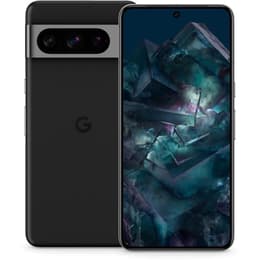
Galaxy Z Flip7 vs Google Pixel 8 Pro
- 1-year warranty
- Free standard shipping
- Free 30-day returns
Differences at a glance
The Samsung Galaxy Z Flip7 (2025) and the Google Pixel 8 Pro (2023) represent two entirely different approaches to modern smartphone design, contrasting a pocket-friendly foldable clamshell format with a traditional slate flagship shape. While the Galaxy Z Flip7 emphasizes a compact folding profile and an expanded outer screen experience, the Google Pixel 8 Pro focuses on a rigid, large-screen structure integrated with advanced computational photography tools. Both devices run on the Android operating system, though they apply distinct manufacturer software interfaces and hardware configurations that directly influence daily interactions.
Available Models
Colour
Storage
Scores
Durability
When evaluating structural longevity and software support, both devices approach long-term usability through different hardware formats and update commitments.
- Software Support Window: The Google Pixel 8 Pro benefits from an extensive 7-year update commitment covering operating system upgrades and security patches, whereas the Galaxy Z Flip7 relies on standard multi-year manufacturer update timelines typical of foldable hardware.
- Build and Repairability: The Galaxy Z Flip7 incorporates flexible display engineering and a folding hinge mechanism that requires careful handling over years of use, while the rigid slate structure of the Pixel 8 Pro presents a more traditional durability profile against routine physical wear.
- Expected Practical Lifespan: Both smartphones feature robust processing hardware capable of sustaining multi-year ownership cycles, though users prioritizing long-term software commitments will find extended support longevity with Google's flagship model.
Release year
2025
2023
Foldable
Yes
No
Performance
Underneath their respective exteriors, these devices handle everyday workloads, multitasking, and battery management through divergent hardware platforms.
- Multitasking and Responsiveness: Both models handle demanding applications, split-screen workflows, and casual gaming smoothly, supported by generous baseline memory allocations that keep background processes active without stutter.
- Battery Behavior: The Pixel 8 Pro incorporates a larger physical battery capacity designed to sustain a full day of mixed use, whereas the Galaxy Z Flip7 balances a more compact internal cell with efficient power management suited for its dual-screen setup.
- Storage Configurations: Both devices offer multiple tiered storage capacities to accommodate large media libraries and heavy application installations without relying on expandable memory cards.
Screen quality
Display characteristics differ significantly due to the form factor distinctions, offering unique viewing and interaction benefits for daily tasks.
- Display Technology: The Galaxy Z Flip7 features a foldable organic light-emitting main screen paired with a large functional cover display for quick interactions, while the Pixel 8 Pro utilizes a flat, rigid organic light-emitting panel with high peak brightness capabilities.
- Outdoor Visibility: Both screens deliver high brightness levels that maintain legibility under direct sunlight, ensuring clear text and vibrant media consumption outdoors.
- Visual Smoothness: High refresh rate support across both devices ensures fluid scrolling through web pages, social feeds, and user interfaces.
Resolution
1080x2520
1344 x 2992
Audiovisual
Media capture and audio output capabilities cater to different creative styles and media consumption preferences.
- Camera System Versatility: The Pixel 8 Pro equips a triple-lens rear array featuring dedicated wide, ultra-wide, and telephoto optical zoom lenses, whereas the Galaxy Z Flip7 utilizes a dual-camera setup that leverages its folding design for versatile tabletop angles and self-portraits.
- Low-Light and Processing: Google's computational photography excels at balancing challenging lighting conditions automatically, while Samsung's image pipeline delivers vivid colors and sharp details across standard shooting modes.
- Audio Output: Both smartphones feature stereo speaker configurations that provide clear dialogue and balanced sound output for hands-free calls and casual video viewing.
Miscellaneous
Physical handling, connectivity standards, and daily utility features define the practical day-to-day experience of each device.
- Form Factor and Handling: The Galaxy Z Flip7 folds down into a compact square that slips easily into small pockets, whereas the Pixel 8 Pro maintains a larger, traditional footprint with a distinct rear camera visor design.
- Biometric Security: Both models offer rapid authentication methods, combining facial recognition technology with fingerprint sensors embedded directly into their respective power buttons or display panels.
- Connectivity and Ports: Standard modern connectivity features, including 5G network compatibility, current Wi-Fi protocols, and reversible USB-C charging ports, are present on both devices.
Weight
188 oz
213 oz
Screen size (in)
6.9
6.7
Network
5G
5G
SIM card
Physical SIM + eSIM
Physical SIM + eSIM
Carrier compatibility
Unlocked
Unlocked
What the community thinks
User feedback from online communities highlights distinct preferences for each device based on physical format and everyday utility. Owners of the Galaxy Z Flip7 frequently praise its compact pocketability, innovative folding mechanics, and the convenience of checking notifications on the expanded outer screen. Conversely, Pixel 8 Pro users often emphasize appreciation for the reliable battery endurance, comprehensive telephoto zoom capabilities, and the longevity of Google's multi-year software update promise. Common criticisms for the folding device involve visible crease considerations and hinge care, while the Pixel model occasionally receives notes regarding its larger physical footprint in tight pockets.
Users prioritizing a pocket-friendly footprint and flexible viewing angles will find the Galaxy Z Flip7 well-suited to their daily routine, while users who prioritize optical zoom versatility and extended software update commitments may prefer the Pixel 8 Pro. For those exploring sustainable purchasing routes, opting for a quality-assured refurbished option provides an eco-friendly alternative to acquire these advanced technologies without compromise. Ultimately, the right choice depends entirely on whether a folding clamshell or a traditional flagship layout aligns best with personal daily habits.