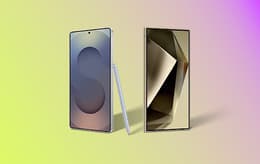

Galaxy S21+ 5G vs Galaxy Z Fold6

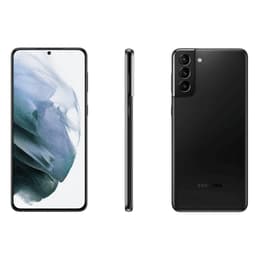
Galaxy S21+ 5G
Galaxy S21+ 5G
Starting at

Refurbished price:A$319.00

Versus A$1,747.00 new

See options
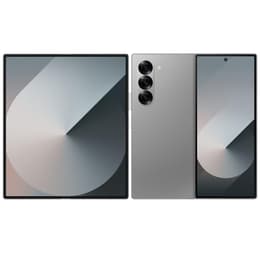
Galaxy Z Fold6
Galaxy Z Fold6
Starting at

Refurbished price:A$1,088.24

Versus A$2,749.00 new

See options

Ratings

The Samsung Galaxy S21 Plus 5G, released in early 2021, and the Samsung Galaxy Z Fold6, launched in mid-2024, represent distinct approaches to smartphone design and functionality. While the S21 Plus offers a traditional, high-end smartphone experience, the Z Fold6 introduces a foldable form factor, providing a larger, tablet-like display when unfolded. These differences extend to their internal components, camera capabilities, and overall user interaction, catering to varied user preferences and needs.

Scores

Durability

The expected practical lifespan and software support differ significantly between these two devices due to their respective release timelines.

  • Release Timeline: The Galaxy S21 Plus 5G, released in January 2021, is an older device compared to the Galaxy Z Fold6, which launched in July 2024. This age difference impacts the duration of ongoing software support. [1, 4, 38, 42]
  • Software Longevity: The Galaxy S21 Plus 5G received major operating system updates for several years, with its last major OS upgrade likely being Android 14. Its security updates would have concluded around early 2026. [4] In contrast, the Galaxy Z Fold6 launched with Android 14 and is promised 7 years of major OS updates and security patches, extending its software support significantly further into the future. [1, 2, 7, 28, 31, 32]
  • Physical Durability: Both devices feature robust build materials. The S21 Plus 5G has an IP68 rating for dust and water resistance and Gorilla Glass Victus for screen protection. [8, 25, 42] The Z Fold6 features an IPX8 water resistance rating, meaning it can withstand submersion in water but is not officially dust-resistant. Its cover screen uses Gorilla Glass Victus 2, while the inner foldable display uses Ultra Thin Glass. [7, 15, 31] The folding mechanism of the Z Fold6 introduces a different set of durability considerations compared to a traditional slab phone.

Release year

2021

2024

Compatible with latest Update

Yes

Yes

Operating system

Android

Android

Foldable

No

Yes

Performance

Performance capabilities are a key differentiator, largely influenced by the generational gap in their internal hardware.

  • Processing Power: The Galaxy S21 Plus 5G is powered by a processor from 2021, which capably handles everyday applications and multitasking. [3, 4, 5, 8] The Galaxy Z Fold6 features a current-generation processor, specifically optimized for Galaxy devices, providing enhanced speed and efficiency for demanding applications, advanced multitasking, and AI-driven features. [1, 2, 6, 7, 15, 17, 20, 28, 30, 31, 39]
  • Multitasking and Storage: The S21 Plus 5G typically comes with 8GB of RAM, sufficient for most user scenarios. [3, 4, 5, 8] The Z Fold6 offers 12GB of RAM, which contributes to smoother transitions between numerous open applications and more efficient handling of complex tasks, particularly when utilizing its larger internal display. [1, 2, 6, 7, 15, 17, 30] Both devices offer various internal storage options, with the Z Fold6 providing up to 1TB, catering to users with extensive storage needs. [1, 2, 6, 7, 15, 17, 30, 32]
  • Battery Behavior: The Galaxy S21 Plus 5G is equipped with a 4800 mAh battery, designed to provide power for a full day of typical use. [3, 4, 5, 8, 29, 40, 41, 42] The Galaxy Z Fold6 has a 4400 mAh battery, which is smaller in capacity. [1, 2, 7, 14, 15, 17, 20, 21, 34, 37] However, due to advancements in processor efficiency and software optimization, its real-world battery performance can still support extended usage, though heavy use of the large inner screen may require more frequent charging. [21]

Memory (GB)

8 GB

12 GB

Screen quality

The display experience is a primary distinction, with the Z Fold6 offering a unique dual-screen setup.

  • Display Technology and Size: The Galaxy S21 Plus 5G features a single 6.7-inch Dynamic AMOLED 2X flat display, offering vibrant colors and deep blacks. [4, 5, 8, 25, 42] The Galaxy Z Fold6 provides a dual-screen experience: a 6.3-inch Dynamic AMOLED 2X cover display for phone-like interactions and a large 7.6-inch Dynamic AMOLED 2X foldable main display for an expansive viewing area. [1, 2, 6, 7, 14, 15, 17, 20, 22, 30, 31, 32]
  • Resolution and Clarity: The S21 Plus 5G has a Full HD+ resolution (1080 x 2400 pixels), delivering clear and sharp visuals for its size. [4, 5, 8, 25, 42] The Z Fold6's main display offers a higher resolution (2160 x 1856 pixels), providing greater detail, especially noticeable on the larger screen. Its cover display also offers a sharp Full HD+ resolution (2376 x 968 pixels). [1, 2, 6, 7, 14, 15, 17, 20, 22, 30, 31, 32]
  • Brightness and Refresh Rate: Both devices feature adaptive 120Hz refresh rates for smooth scrolling and responsiveness, adjusting to content to conserve power. [4, 5, 8, 25, 42] The Z Fold6's displays can reach higher peak brightness levels (up to 2600 nits) compared to the S21 Plus 5G (up to 1300 nits), enhancing outdoor visibility and HDR content viewing. [2, 5, 22, 25, 30, 31, 32]

Resolution

1080 x 2400

1856 x 2160

Screen type

Dynamic AMOLED 2X

Foldable Dynamic LTPO AMOLED 2X

Audiovisual

Both smartphones offer capable camera systems, but the Z Fold6 benefits from newer advancements in imaging technology.

  • Rear Camera Systems: The Galaxy S21 Plus 5G features a versatile triple camera setup with a 12MP wide, 64MP telephoto (3x hybrid optical zoom), and 12MP ultrawide lens. [4, 5, 8, 10, 16, 25, 33] The Galaxy Z Fold6 also has a triple rear camera system, typically comprising a 50MP wide lens with optical image stabilization (OIS), a 12MP ultrawide, and a 10MP telephoto lens with 3x optical zoom and OIS. [1, 2, 7, 14, 15, 17, 19, 20, 27, 30]
  • Photography Performance: The S21 Plus 5G delivers strong performance in various lighting conditions, including a dedicated night mode. [33] The Z Fold6, with its newer sensors and advanced image processing, including AI enhancements, generally offers improved low-light photography, better detail retention, and more consistent image quality across its lenses. [1, 2, 19, 27, 28]
  • Video and Front Cameras: Both devices are capable of recording 8K video. [10, 20, 30, 33] For selfies, the S21 Plus 5G has a 10MP front camera. [4, 5, 8, 10, 16, 25, 33] The Z Fold6 features a 10MP camera on its cover screen and a 4MP under-display camera on its main foldable screen, offering flexibility for video calls and self-portraits. [1, 2, 7, 14, 19, 20, 27, 30]

Main camera

12 megapixels

50 megapixels

Front camera

10 megapixels

4 megapixels

Miscellaneous

Beyond core specifications, several practical elements contribute to the overall user experience of each device.

  • Connectivity and Ports: Both phones support 5G connectivity. The S21 Plus 5G includes Wi-Fi 6 and Bluetooth 5.0, while the Z Fold6 features newer standards like Wi-Fi 7 (or 6E) and Bluetooth 5.3, offering potentially faster and more stable wireless connections. [3, 6, 8, 15, 30] Both utilize a USB-C port for charging and data transfer and lack a traditional headphone jack. [3, 8, 14, 15, 30]
  • Biometrics and Sensors: The S21 Plus 5G uses an ultrasonic in-display fingerprint sensor. [25] The Z Fold6 incorporates a side-mounted fingerprint sensor for unlocking. [7, 14, 15, 30, 32] The Z Fold6 also supports S Pen input on its main foldable display, enhancing productivity and creative tasks, though it does not have a built-in slot for the stylus. [1, 2, 17, 26, 32]
  • Design and Handling: The Galaxy S21 Plus 5G is a traditional slab phone, weighing around 200-202 grams. [3, 4, 5, 8, 25, 42] The Galaxy Z Fold6, as a foldable, has different dimensions and a weight of 239 grams. [2, 6, 7, 14, 15, 30, 31, 35] When folded, it is thicker but narrower, offering a compact form factor. When unfolded, it provides a larger, more immersive screen for media consumption and productivity.

Weight

200 oz

239 oz

Screen size (in)

6.7

7.6

Network

5G

5G

SIM card

Physical SIM + eSIM

Dual Physical SIM + eSIM

Carrier compatibility

Unlocked

Unlocked

Choosing between the Galaxy S21 Plus 5G and the Galaxy Z Fold6 involves weighing the benefits of a traditional flagship against the innovative capabilities of a foldable device. Users often praise the S21 Plus 5G for its consistent performance, reliable camera system, and robust build in a familiar form factor. Its battery life is generally considered solid for a single-screen device. Some common criticisms for older slab phones like the S21 Plus 5G might revolve around its software support nearing its end, meaning it will no longer receive the latest Android features or security updates.

The Galaxy Z Fold6, on the other hand, is frequently lauded for its expansive foldable display, which transforms the user experience for multitasking, media viewing, and productivity. Its cutting-edge processor and extended software support are also significant advantages. However, user discussions sometimes highlight concerns about the visible crease on the inner display, the lack of a dedicated S Pen slot, and the camera hardware, while capable, not always matching the absolute best in Samsung's traditional flagship line. Some users also note that while battery optimization is strong, the smaller battery capacity compared to some rivals, especially with heavy use of the large inner screen, can be a consideration. [11, 12, 18, 19, 21, 26, 36]

Users prioritizing a long-term software experience, the latest processing power, and a versatile, large screen for productivity and entertainment will find the Galaxy Z Fold6 well-suited to their needs. Conversely, those who prefer a more conventional smartphone design, a slightly larger battery capacity in a single-screen device, and a proven, durable build might lean towards the Galaxy S21 Plus 5G. For individuals seeking an eco-friendly alternative, both models are available as quality-assured refurbished options, providing a sustainable choice for acquiring advanced technology.
See all articles

Our recent comparisons