iPhone 13 mini vs Motorola Edge 50

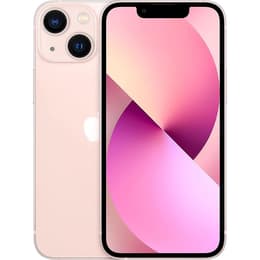
iPhone 13 mini
iPhone 13 mini
Starting at

Refurbished price:A$369.00

Versus A$1,049.00 new

See options
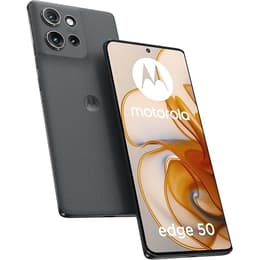
Motorola Edge 50
Motorola Edge 50
See options

The iPhone 13 Mini, released in September 2021, and the Motorola Edge 50 Pro, launched in April 2024, represent distinct approaches to smartphone design and user experience. While the iPhone 13 Mini focuses on a compact form factor within Apple's iOS ecosystem, the Motorola Edge 50 Pro offers a larger display and a feature-rich Android experience. The primary differentiators lie in their operating systems, physical size, and the timing of their release, which impacts their respective hardware and software capabilities.

Scores

Durability

When considering the longevity of these devices, their release timelines and software support policies are key factors.

  • Release Timeline: The iPhone 13 Mini, launched in September 2021, is an older device compared to the Motorola Edge 50 Pro, which debuted in April 2024. This age difference inherently means the iPhone 13 Mini has fewer years of guaranteed software updates remaining.
  • OS Support: Apple typically provides iOS updates for 5-6 years from a device's release. Given its 2021 launch, the iPhone 13 Mini is likely to receive major iOS updates until late 2026 or early 2027. The Motorola Edge 50 Pro, running Android, is expected to receive 3 major OS updates and 4 years of security updates, extending its support well into 2028.
  • Repairability: The iPhone 13 Mini has a repairability score that is considered fairly low, with adhesive used for the back cover and battery, and a special screwdriver needed for some components. The Motorola Edge 50 Pro also uses strong adhesive for its back cover and battery, making disassembly challenging, and has a repairability score of around 5.0 to 5.5 out of 10.

Release year

2021

2024

Compatible with latest Update

Yes

Yes

Operating system

iOS

Android

Foldable

No

No

Performance

The performance of these two smartphones is influenced by their respective processors and system optimizations, impacting daily usage and multitasking.

  • Processor Capabilities: The iPhone 13 Mini is powered by a capable processor that handles everyday applications and moderate gaming smoothly. The Motorola Edge 50 Pro features a newer-generation processor designed to manage demanding applications and multitasking with efficiency, providing a smooth experience even with high refresh rates.
  • Storage and RAM: The iPhone 13 Mini offers storage options up to 512GB and comes with 4GB of RAM, which is sufficient for typical iOS multitasking. The Motorola Edge 50 Pro provides more generous RAM options, up to 12GB, alongside storage up to 512GB, which can benefit users who frequently switch between many applications or engage in intensive tasks.
  • Battery Behavior: The iPhone 13 Mini, due to its compact size, has a smaller battery capacity, which typically provides a full day of moderate use but may require more frequent charging for heavy users. The Motorola Edge 50 Pro features a larger battery, designed to comfortably last through a full day of average use, with some users reporting significant screen-on time before needing a recharge.

Memory (GB)

4 GB

12 GB

Screen quality

The visual experience on these devices differs significantly due to their display technologies and specifications.

  • Display Technology and Size: The iPhone 13 Mini features a 5.4-inch Super Retina XDR OLED display, known for its deep blacks and vibrant colors, offering a compact viewing experience. The Motorola Edge 50 Pro boasts a larger 6.7-inch pOLED curved display, providing an expansive and immersive visual area.
  • Resolution and Brightness: Both devices offer high-resolution displays, with the iPhone 13 Mini at 2340 x 1080 pixels and the Motorola Edge 50 Pro at 2712 x 1220 pixels, ensuring sharp visuals. The iPhone 13 Mini reaches a typical brightness of 800 nits and a peak of 1200 nits for HDR content. The Motorola Edge 50 Pro offers a higher peak brightness of up to 2000 nits, which can enhance visibility in bright outdoor conditions.
  • Refresh Rate: The iPhone 13 Mini has a standard 60Hz refresh rate. In contrast, the Motorola Edge 50 Pro features a smoother 144Hz refresh rate, which results in more fluid scrolling and a more responsive feel during gaming and general navigation.

Resolution

1080 x 2340

1220x2712

Audiovisual

Both smartphones offer capable camera systems, but with different configurations and features catering to various photography preferences.

  • Rear Camera System: The iPhone 13 Mini is equipped with a dual 12MP camera system, including a wide and an ultra-wide lens, featuring sensor-shift optical image stabilization on the main sensor for improved low-light performance and stability. The Motorola Edge 50 Pro features a versatile triple camera setup, typically including a 50MP main sensor with optical image stabilization, a 13MP ultrawide lens with macro capabilities, and a 10MP telephoto lens with 3x optical zoom.
  • Photography Features: The iPhone 13 Mini offers features like Cinematic mode for video, Photographic Styles, Night mode, and Deep Fusion for enhanced image processing. The Motorola Edge 50 Pro emphasizes AI-backed features for autofocus, automatic tuning, and improved dynamic range, with its cameras validated for accurate color capture.
  • Video Recording: The iPhone 13 Mini supports HDR video recording with Dolby Vision up to 4K at 60 frames per second. The Motorola Edge 50 Pro can record 4K video at 30 frames per second, with good stabilization and dynamic range, though some users note that video performance in low light can drop.

Front camera

12 megapixels

32 megapixels

Miscellaneous

Beyond core features, several practical elements differentiate these devices in terms of connectivity, physical design, and user interaction.

  • Connectivity and Ports: Both devices support 5G connectivity. The iPhone 13 Mini uses Apple's proprietary Lightning port. The Motorola Edge 50 Pro features a more universal USB-C port and supports newer Wi-Fi 6E and Bluetooth 5.4 standards, offering potentially faster and more stable wireless connections.
  • Biometrics and Security: The iPhone 13 Mini relies on Face ID for secure facial recognition. The Motorola Edge 50 Pro incorporates an in-display fingerprint sensor for biometric authentication, alongside face unlock.
  • Dimensions and Handling: The iPhone 13 Mini is notably compact and lightweight, measuring 131.5 x 64.2 x 7.65 mm and weighing 141 grams, making it ideal for one-handed use and easy pocketability. The Motorola Edge 50 Pro is a larger device at 161.2 x 72.4 x 8.2 mm and 186 grams, offering a more substantial feel and a larger screen area.
  • Build Materials: The iPhone 13 Mini features a Ceramic Shield front cover and an aluminum frame. The Motorola Edge 50 Pro often uses an aluminum frame with options for vegan leather or glass backs, contributing to its aesthetic and in-hand feel.

Weight

140 oz

180 oz

Screen size (in)

5,4

6.7

Network

5G

5G

SIM card

Physical SIM + eSIM

Physical SIM

Carrier compatibility

Unlocked

Unlocked

Connector

Lightning

USB-C

The iPhone 13 Mini and Motorola Edge 50 Pro cater to different user preferences, primarily distinguished by their size, operating system, and release timing. Users often praise the iPhone 13 Mini for its compact form factor, making it comfortable for one-handed use and easy to carry. Its integration within the Apple ecosystem and consistent software experience are also frequently highlighted as strong points. Some criticisms for the iPhone 13 Mini often revolve around its smaller battery capacity compared to larger phones and its 60Hz display.

The Motorola Edge 50 Pro receives commendation for its vibrant, high-refresh-rate display and its versatile camera system, particularly the inclusion of a telephoto lens and AI-enhanced photography features. Its fast charging capabilities and larger battery are also frequently noted as advantages. User feedback sometimes points to the curved display leading to accidental touches and the software update policy being shorter than some competitors.

Users prioritizing a highly compact device with a premium build and a long-standing software ecosystem may find the iPhone 13 Mini well-suited to their needs. Conversely, those who prefer a larger, more immersive display, a versatile camera with optical zoom, and faster charging capabilities, along with the flexibility of the Android operating system, might lean towards the Motorola Edge 50 Pro. Both devices offer distinct advantages, and choosing between them often comes down to individual priorities regarding size, operating system preference, and specific feature sets. Exploring quality-assured refurbished options for either model can provide a sustainable choice for consumers.

See all articles

Our recent comparisons