
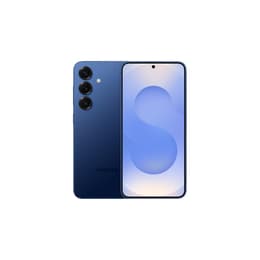

Asus Zenfone 9 vs Galaxy S25

Asus Zenfone 9
Asus Zenfone 9
See options
Galaxy S25
Galaxy S25
Starting at

Refurbished price:A$852.00

Versus A$1,399.00 new

See options

The Asus Zenfone 9, released in July 2022, is a compact Android smartphone known for its focus on one-handed usability and robust performance in a smaller form factor. In contrast, the Samsung Galaxy S25, launched in February 2025, represents a more recent generation of high-end Android devices, offering advanced features and a larger display. Both devices operate on the Android platform, but the Galaxy S25 benefits from a newer operating system version and extended software support, reflecting its more recent release.

Scores

Durability

When considering the longevity of these devices, their respective release timelines and software support policies are key factors. The Asus Zenfone 9, having been released in 2022, typically receives Android operating system updates for a period of approximately two years, with security updates extending beyond that. The Samsung Galaxy S25, released in 2025, benefits from Samsung's commitment to providing up to seven years of OS and security updates, ensuring a significantly longer period of official software support.

  • Software Updates: The Galaxy S25 offers a substantially longer period of operating system and security updates, extending its functional lifespan for users who prioritize the latest software features and security patches.
  • Physical Durability: Both devices feature an IP68 rating for dust and water resistance, indicating a high level of protection against environmental elements. The Zenfone 9 utilizes Gorilla Glass Victus for its display, while the Galaxy S25 incorporates the newer Gorilla Glass Victus 2 on both its front and back, alongside an aluminum frame, offering enhanced resistance to drops and scratches.
  • Expected Lifespan: Users seeking a device with the longest possible official support and access to future Android versions will find the Galaxy S25 more aligned with their needs due to its extended update policy. The Zenfone 9, while still a capable device, will reach its end-of-life for major OS updates sooner.

Release year

2022

2025

Operating system

Android

Android

Foldable

No

No

Performance

The performance capabilities of the Asus Zenfone 9 and the Samsung Galaxy S25 reflect their respective generations of hardware and design philosophies. The Zenfone 9, a compact device, delivers strong performance for its size, while the Galaxy S25, as a newer flagship, offers a more advanced and efficient processing architecture.

  • Processing Power: The Galaxy S25 is equipped with a current-generation processor built on a 3nm process, providing enhanced speed and efficiency for demanding applications, multitasking, and advanced AI features. The Zenfone 9 features a powerful processor from its release year, capable of handling everyday tasks and most intensive applications smoothly.
  • Memory and Storage: The Galaxy S25 comes with 12GB of RAM as standard across all models, facilitating seamless multitasking and app management, and offers storage options up to 512GB with UFS 4.0 technology for faster data access. The Zenfone 9 is available with 8GB or 16GB of RAM and up to 256GB of storage, utilizing UFS 3.1, which provides fast performance for its generation.
  • Battery Behavior: The Zenfone 9, with its 4300mAh battery and smaller display, is noted for its impressive battery endurance, often lasting a full day or more for many users. The Galaxy S25 features a 4000mAh battery, and while its processor is more power-efficient, its overall battery life in typical use cases is generally considered to be good for a modern flagship.

Memory (GB)

6 GB

12 GB

Screen quality

The display experience on both the Asus Zenfone 9 and the Samsung Galaxy S25 offers vibrant visuals, though with differences in technology and brightness that cater to varying user preferences.

  • Display Technology and Clarity: Both devices feature AMOLED displays, known for their deep blacks and vibrant colors. The Zenfone 9 has a 5.9-inch Super AMOLED display with a 1080x2400 (FHD+) resolution. The Galaxy S25 features a 6.2-inch Dynamic LTPO AMOLED 2X display, also with a 1080x2340 (FHD+) resolution, offering crisp visuals.
  • Brightness and Refresh Rate: The Galaxy S25's display can reach a peak brightness of 2600 nits, providing excellent visibility even in bright outdoor conditions, and features an adaptive 120Hz refresh rate for smooth scrolling and responsiveness. The Zenfone 9 offers a peak brightness of 1100 nits and an adaptive 120Hz refresh rate, delivering a fluid visual experience in most environments.
  • Viewing Experience: The Zenfone 9's smaller screen size makes it ideal for users who prefer a compact device for one-handed use. The Galaxy S25 provides a slightly larger viewing area, which can enhance media consumption and productivity for users who prefer more screen real estate.

Resolution

1080 x 2400

1080x2340

Audiovisual

The camera systems on the Asus Zenfone 9 and the Samsung Galaxy S25 are designed with different strengths, catering to distinct photographic needs and preferences.

  • Rear Camera Capabilities: The Zenfone 9 features a dual-camera setup with a 50MP main sensor that includes a 6-axis gimbal stabilization system, which is particularly effective for smooth video recording and stable low-light photos. It also has a 12MP ultrawide camera. The Galaxy S25 offers a more versatile triple-camera system, comprising a 50MP main camera, a 12MP ultrawide camera with a wide field of view, and a 10MP telephoto lens that provides 3x optical zoom for capturing distant subjects with clarity.
  • Low-Light and Video Performance: The Zenfone 9's gimbal stabilization aids in producing stable video footage and improved low-light stills from its main sensor. The Galaxy S25, with its advanced processing and larger sensors, also delivers strong low-light performance and offers features like AI-enhanced Nightography. Both devices are capable of recording video at up to 8K resolution.
  • Front Camera and Audio: Both phones include a 12MP front-facing camera, with the Zenfone 9's offering autofocus for clear selfies. The Galaxy S25 also provides a capable front camera for video calls and self-portraits. Both devices feature stereo speakers for an immersive audio experience, but the Zenfone 9 uniquely retains a 3.5mm headphone jack.

Miscellaneous

Beyond core specifications, several practical elements differentiate the Asus Zenfone 9 and the Samsung Galaxy S25, influencing daily usability and connectivity.

  • Connectivity and Ports: The Galaxy S25 supports the latest Wi-Fi 7 standard and Bluetooth 5.4, offering faster and more reliable wireless connections. The Zenfone 9 supports Wi-Fi 6/6E and Bluetooth 5.2. Both devices offer 5G connectivity and NFC for mobile payments. A notable difference is the Zenfone 9's inclusion of a 3.5mm headphone jack, which is absent on the Galaxy S25.
  • Biometrics and User Interface: The Galaxy S25 features an ultrasonic in-screen fingerprint sensor for secure and convenient unlocking, along with advanced AI features integrated into its One UI 7 software. The Zenfone 9 utilizes a side-mounted fingerprint sensor integrated into the power button, which also supports gesture controls.
  • Physical Design and Handling: The Zenfone 9 is designed for compact, one-handed use, measuring 146.5 x 68.1 x 9.1 mm and weighing 169g. Its polymer back provides a secure grip. The Galaxy S25 is slightly larger and thinner at 146.9 x 70.5 x 7.2 mm and weighs 162g, featuring a glass back and aluminum frame.

Weight

169 oz

162 oz

Screen size (in)

5.9

6.2

Network

5G

5G

SIM card

Dual Physical SIM

Physical SIM + eSIM

Carrier compatibility

Unlocked

Unlocked

The Asus Zenfone 9 and Samsung Galaxy S25 cater to different user priorities, reflecting their distinct design philosophies and release timelines. Users often praise the Zenfone 9 for its exceptional compactness and impressive battery life for its size, making it a preferred choice for those who value one-handed usability and pocketability. Its gimbal-stabilized main camera is also frequently highlighted for its smooth video capture. However, some users note its camera system, while capable, lacks the versatility of a telephoto lens and can sometimes produce inconsistent still images. The Zenfone 9's software update longevity is also a consideration for long-term users.

The Samsung Galaxy S25, as a more recent flagship, is widely appreciated for its cutting-edge performance, vibrant and bright display, and a comprehensive camera system that includes a dedicated telephoto lens. Its extended software support policy is a significant advantage for users who plan to keep their device for many years. The integration of advanced AI features also receives positive attention for enhancing daily tasks. Some users might find its battery life, while good, not as outstanding as some larger devices, and its charging speed is not the fastest in the market.

Users prioritizing a highly compact device with excellent battery endurance and a unique gimbal-stabilized camera for video will find the Asus Zenfone 9 well-suited to their needs. Conversely, users who seek the latest in processing power, a versatile camera system with optical zoom, a brighter display, and a longer period of software updates will likely lean towards the Samsung Galaxy S25. Both devices offer a quality Android experience, and considering a quality-assured refurbished option for either model can be an eco-friendly alternative for making an informed choice.


See all articles

Our recent comparisons