
Asus Zenfone 9 vs Galaxy S23 FE

Asus Zenfone 9
Asus Zenfone 9
See options
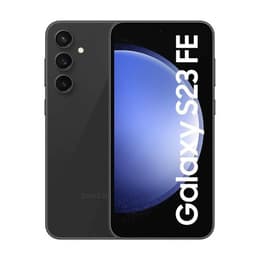
Galaxy S23 FE
Galaxy S23 FE
Starting at

Refurbished price:A$380.00

Versus A$1,172.00 new

See options

The Asus Zenfone 9, released in July 2022, and the Samsung Galaxy S23 FE, launched in October 2023, are both Android smartphones that offer distinct experiences. While the Zenfone 9 emphasizes a compact form factor and a streamlined Android interface, the Galaxy S23 FE provides a larger display, a versatile camera system, and Samsung's One UI. Both devices run on the Android operating system, but they differ in their approach to design, software longevity, and overall user experience.

Scores

Durability

The longevity of a smartphone is influenced by its release date, software support, and physical durability.

  • Release Timeline and Software Support: The Asus Zenfone 9, released in July 2022, typically receives two major Android OS updates and four years of security updates from its launch. This means its major OS updates likely conclude with Android 14, with security patches extending until mid-2026. In contrast, the Samsung Galaxy S23 FE, launched in October 2023, benefits from Samsung's more extensive support policy, offering four major Android OS updates and five years of security updates. This translates to major OS updates potentially reaching Android 17 and security support until late 2028.
  • Expected Practical Lifespan: Users prioritizing longer software support and the latest Android features will find the Galaxy S23 FE to have a longer practical lifespan due to its more recent release and extended update commitment. The Zenfone 9, while still a capable device, will see its software support end sooner.
  • Durability Features: Both devices feature an IP68 rating for dust and water resistance, indicating a high level of protection against environmental elements. The Zenfone 9 uses Gorilla Glass Victus for its display, while the Galaxy S23 FE uses Gorilla Glass 5 for both its front and back.

Release year

2022

2023

Compatible with latest Update

Yes

Yes

Operating system

Android

Android

Foldable

No

No

Performance

Performance in daily use is a key differentiator, impacting how smoothly applications run and how efficiently the device handles demanding tasks.

  • Processor Capabilities: The Asus Zenfone 9 is equipped with a processor known for its efficiency and strong performance, allowing it to handle demanding applications and multitasking smoothly. The Galaxy S23 FE utilizes a processor that provides solid performance for everyday tasks and gaming, though some regional variants may experience differences in sustained performance.
  • Multitasking and Responsiveness: The Zenfone 9 offers configurations with up to 16GB of RAM, contributing to excellent multitasking capabilities and a highly responsive user experience. The Galaxy S23 FE comes with 8GB of RAM across all configurations, which is sufficient for most users' multitasking needs.
  • Battery Behavior: The Zenfone 9, despite its smaller size, is often praised by users for its efficient battery management, frequently lasting a full day or more with moderate use. The Galaxy S23 FE, with a larger battery capacity, generally provides a full day of use, though some users report it as average, particularly with heavy usage or specific processor variants.
  • Storage Options: Both devices offer internal storage options of 128GB and 256GB, providing ample space for applications, photos, and media.

Memory (GB)

6 GB

8 GB

Screen quality

The display is a primary interface for smartphone interaction, and both devices offer vibrant viewing experiences with some key differences.

  • Display Technology and Clarity: Both the Zenfone 9 and the Galaxy S23 FE feature AMOLED displays, known for their deep blacks and vibrant colors. The Zenfone 9 has a 5.9-inch display with a resolution of 1080 x 2400 pixels, resulting in a sharp image. The Galaxy S23 FE has a larger 6.4-inch Dynamic AMOLED 2X display with a resolution of 1080 x 2340 pixels, offering a slightly larger viewing area.
  • Refresh Rate and Smoothness: Both phones feature a 120Hz refresh rate, which contributes to smoother scrolling and a more fluid visual experience. However, some Zenfone 9 users have noted that the automatic refresh rate can sometimes be inconsistent, occasionally defaulting to 60Hz in certain applications, which can be manually overridden.
  • Brightness Levels: The Zenfone 9 offers a peak brightness of 1100 nits, providing good visibility in various lighting conditions. The Galaxy S23 FE has a higher peak brightness of 1450 nits, which can offer better outdoor visibility, especially in direct sunlight.

Resolution

1080 x 2400

1080 x 2340

Screen type

Super AMOLED

Dynamic AMOLED 2X

Audiovisual

Camera capabilities are a significant factor for many users, and both smartphones provide distinct photographic and videographic experiences.

  • Rear Camera Systems: The Asus Zenfone 9 features a dual-camera setup with a 50 MP main sensor that includes gimbal optical image stabilization (OIS) for enhanced stability, alongside a 12 MP ultrawide lens. The Galaxy S23 FE offers a more versatile triple-camera system, comprising a 50 MP main sensor with OIS, a 12 MP ultrawide lens, and an 8 MP telephoto lens with 3x optical zoom.
  • Photography Performance: The Zenfone 9's main camera is praised for its stable video and good everyday photos, though some users have noted that the stock camera app can sometimes over-sharpen images or produce noise in certain conditions. The Galaxy S23 FE's camera system is generally well-regarded for its ability to capture good images in various lighting conditions, with the telephoto lens adding flexibility for zoomed shots.
  • Video Recording: Both devices are capable of recording video at up to 8K resolution at 24 frames per second, as well as 4K at various frame rates, offering high-quality video capture.
  • Audio Experience: The Zenfone 9 includes a 3.5mm headphone jack, a feature less common in modern smartphones, and offers stereo speakers. The Galaxy S23 FE features stereo speakers but omits the 3.5mm headphone jack.

Main camera

50 megapixels

50 megapixels

Front camera

12 megapixels

10 megapixels

Miscellaneous

Beyond core features, several practical elements contribute to the overall user experience and device utility.

  • Connectivity and Ports: Both the Zenfone 9 and Galaxy S23 FE support 5G connectivity, Wi-Fi 6E, and Bluetooth 5.2 or 5.3, ensuring fast and reliable wireless connections. The Zenfone 9 uses a USB-C 2.0 port, while the Galaxy S23 FE features a faster USB-C 3.2 port.
  • Biometric Security: The Zenfone 9 incorporates a side-mounted fingerprint sensor integrated into the power button, which users often find quick and intuitive. The Galaxy S23 FE utilizes an under-display optical fingerprint sensor for biometric authentication.
  • Physical Characteristics: The Zenfone 9 is a more compact device, weighing 169g with dimensions of 146.5 x 68.1 x 9.1 mm, making it suitable for one-handed use. The Galaxy S23 FE is larger and heavier at 209g, with dimensions of 158 x 76.5 x 8.2 mm, offering a more expansive screen but requiring a two-handed grip for some users.
  • Build Materials: The Zenfone 9 features a glass front (Gorilla Glass Victus), a plastic back, and an aluminum frame. The Galaxy S23 FE uses Gorilla Glass 5 for both its front and back, encased in an aluminum frame.

Weight

169 oz

209 oz

Screen size (in)

5.9

6.4

Network

5G

5G

SIM card

Dual Physical SIM

Physical SIM

Carrier compatibility

Unlocked

Unlocked

The Asus Zenfone 9 and Samsung Galaxy S23 FE cater to different user preferences, each excelling in specific areas. The Zenfone 9 is frequently praised by users for its compact size, making it comfortable for one-handed operation, and its impressive battery life for its form factor. Its clean Android experience and the inclusion of a 3.5mm headphone jack are also common points of appreciation. However, some users have expressed concerns regarding its software update longevity compared to competitors and occasional inconsistencies with the automatic refresh rate.

Conversely, the Galaxy S23 FE is often lauded for its vibrant display, versatile camera system that includes a telephoto lens, and Samsung's commitment to extended software support. Criticisms sometimes revolve around its processor performance in certain regions, with some users reporting average battery life and occasional heating during intensive tasks.

Users prioritizing a highly portable device with a streamlined Android experience and a physical headphone jack may find the Asus Zenfone 9 well-suited to their needs. Those who value a larger display, a more comprehensive camera setup with optical zoom, and a longer period of software updates will likely lean towards the Samsung Galaxy S23 FE. Both devices offer compelling features, and considering a quality-assured refurbished option for either model can provide an eco-friendly alternative for consumers.


See all articles

Our recent comparisons