
Galaxy Z Fold6 vs Google Pixel 8 Pro

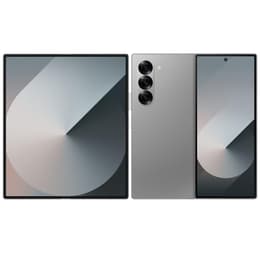
Galaxy Z Fold6
Galaxy Z Fold6
Starting at

Refurbished price:A$1,088.24

Versus A$2,749.00 new

See options
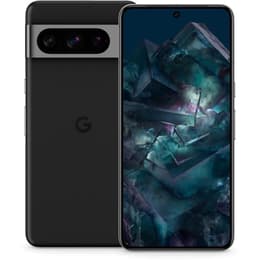
Google Pixel 8 Pro
Google Pixel 8 Pro
Starting at

Refurbished price:A$565.00

Versus A$1,859.00 new

See options

Ratings

The Samsung Galaxy Z Fold6, released in July 2024, and the Google Pixel 8 Pro, launched in October 2023, represent distinct approaches to high-end smartphone design. The Z Fold6 offers a unique foldable form factor that transforms a compact device into a larger tablet-like experience, while the Pixel 8 Pro provides a traditional smartphone design with a strong emphasis on advanced computational photography and artificial intelligence. Both devices run on the Android operating system, offering a rich ecosystem of applications and services.

Scores

Durability

When considering the long-term usability of these devices, both the Galaxy Z Fold6 and the Pixel 8 Pro offer substantial software support, though their physical durability differs due to their distinct designs.

  • Software Longevity: Both the Galaxy Z Fold6 and the Google Pixel 8 Pro are committed to providing seven years of Android operating system and security updates from their respective release dates. This extended support ensures that both devices will receive new features and security patches for a considerable period, contributing to a longer practical lifespan.
  • Physical Resilience: The Pixel 8 Pro features an IP68 rating, indicating robust dust and water resistance, and uses Gorilla Glass Victus 2 for screen protection. The Galaxy Z Fold6, as a foldable, has an IPX8 water resistance rating, but its foldable screen is made of Ultra Thin Glass (UTG) which is more susceptible to scratches than traditional smartphone displays. While the Z Fold6's hinge is rated for 200,000 folds, some durability tests have noted potential dust ingress into the hinge mechanism.
  • Repairability Considerations: The foldable design of the Z Fold6 can present more complex repair scenarios compared to the conventional slab design of the Pixel 8 Pro. Users considering a refurbished option for either device can benefit from quality-assured inspections and repairs that address these specific durability aspects.

Release year

2024

2023

Compatible with latest Update

Yes

Yes

Foldable

Yes

No

Performance

The performance of the Galaxy Z Fold6 and the Google Pixel 8 Pro is driven by their respective processors, influencing how they handle demanding applications, multitasking, and overall system responsiveness.

  • Processing Power: The Galaxy Z Fold6 is equipped with a current-generation Qualcomm Snapdragon processor, optimized for high performance and efficient handling of intensive tasks, including advanced gaming and complex productivity applications across its large display. The Pixel 8 Pro features Google's Tensor G3 processor, which is specifically designed to excel in artificial intelligence and machine learning tasks, enhancing features like computational photography and voice processing.
  • Multitasking and Responsiveness: Both devices come with 12GB of RAM, enabling smooth multitasking and quick app switching. The Z Fold6's larger internal display is particularly suited for running multiple applications simultaneously, offering a desktop-like experience. The Pixel 8 Pro provides a consistently fluid user interface, with its processor ensuring a responsive experience for everyday use and AI-driven functions.
  • Battery Behavior: The Galaxy Z Fold6 houses a 4,400 mAh battery, designed to power its dual-screen setup. The Pixel 8 Pro has a larger 5,050 mAh battery, which generally provides ample power for a full day of use, though some users have noted that sustained heavy use or specific network conditions can lead to increased power consumption and warmth.

Memory (GB)

12 GB

12 GB

Screen quality

The display experience on the Galaxy Z Fold6 and the Google Pixel 8 Pro offers distinct advantages, catering to different user preferences for screen size, technology, and usage.

  • Display Technology and Size: The Galaxy Z Fold6 features a 7.6-inch foldable Dynamic AMOLED 2x main display and a 6.3-inch Dynamic AMOLED 2X cover screen. This allows for a versatile experience, switching between a standard smartphone and a larger tablet-like canvas. The Pixel 8 Pro has a single 6.7-inch LTPO OLED 'Super Actua' display, offering a traditional, expansive viewing area.
  • Resolution and Brightness: The Z Fold6's main display offers a resolution of 2160x1856 pixels, while its cover screen has 968x2376 pixels. The Pixel 8 Pro's display features a resolution of 2992 x 1344 pixels, resulting in a sharp and clear image. Both devices offer high peak brightness levels, with the Z Fold6 reaching 2600 nits and the Pixel 8 Pro reaching 2400 nits, ensuring good visibility even in bright outdoor conditions.
  • Refresh Rate and Smoothness: Both smartphones incorporate adaptive refresh rate technology, ranging from 1Hz to 120Hz. This dynamic adjustment helps conserve battery life while providing smooth scrolling and fluid animations when needed, contributing to a responsive visual experience on both devices.

Resolution

1856 x 2160

1344 x 2992

Screen type

Foldable Dynamic LTPO AMOLED 2X

LTPO OLED

Audiovisual

Both the Galaxy Z Fold6 and the Google Pixel 8 Pro are equipped with advanced camera systems, each with its own strengths in capturing photos and videos.

  • Rear Camera Systems: The Galaxy Z Fold6 features a triple rear camera setup, including a 50MP main sensor with optical image stabilization (OIS), a 12MP ultrawide lens, and a 10MP telephoto lens with 3x optical zoom and OIS. The Pixel 8 Pro also has a triple rear camera system, comprising a 50MP main sensor with OIS, a 48MP ultrawide lens with autofocus, and a 48MP telephoto lens offering 5x optical zoom with OIS.
  • Photography Performance: The Pixel 8 Pro is widely recognized for its computational photography capabilities, delivering detailed images with natural colors and excellent low-light performance, often praised for its consistent results across all lenses. The Z Fold6's camera system is competent, capturing good photos in most situations, with an upgraded ultrawide camera that performs better in low light compared to its predecessor. However, some reviews suggest its overall camera performance, especially in zoom and low light with the ultrawide, may not match the very best traditional flagships.
  • Video Recording and Front Cameras: Both devices offer high-quality video recording. The Pixel 8 Pro's front-facing camera is 10.5MP with autofocus, providing clear selfies and improved video calls. The Z Fold6 has a 10MP cover screen selfie camera and a 4MP under-display camera on its main screen, offering flexibility for video calls and self-portraits in different modes.

Main camera

50 megapixels

50 megapixels

Front camera

4 megapixels

10.5 megapixels

Miscellaneous

Beyond their core functionalities, both the Galaxy Z Fold6 and the Google Pixel 8 Pro offer a range of features that enhance user experience, from connectivity to physical design.

  • Connectivity and Ports: Both smartphones support 5G connectivity, Wi-Fi 7, and modern Bluetooth standards, ensuring fast and reliable wireless communication. The Pixel 8 Pro features a USB-C port, a common standard for charging and data transfer. The Z Fold6 also uses USB-C.
  • Biometric Security and Sensors: The Pixel 8 Pro includes an in-display fingerprint sensor and secure face unlock, along with a unique temperature sensor. The Z Fold6 typically features a side-mounted fingerprint sensor for authentication. Both devices integrate a suite of sensors for navigation and contextual awareness.
  • Design and Handling: The Galaxy Z Fold6's defining characteristic is its foldable design, allowing it to be a compact smartphone when closed and expanding into a larger screen for productivity or media consumption. It is also noted to be shorter, wider, thinner, and lighter than its predecessor. The Pixel 8 Pro maintains a traditional smartphone form factor, with a flat display and a design that prioritizes comfortable one-handed use and pocketability.

Weight

239 oz

213 oz

Screen size (in)

7.6

6.7

Network

5G

5G

SIM card

Dual Physical SIM + eSIM

Physical SIM + eSIM

Carrier compatibility

Unlocked

Unlocked

The Samsung Galaxy Z Fold6 and the Google Pixel 8 Pro cater to different user needs and preferences within the premium smartphone market. The Z Fold6 is often praised for its innovative foldable design, which provides a large, immersive screen for multitasking and media consumption, making it a strong choice for users who prioritize screen real estate and productivity on the go. However, some users note that its camera system, while competent, may not reach the same level as dedicated camera-focused flagships, and its foldable screen requires a degree of care regarding durability.

The Pixel 8 Pro receives consistent acclaim for its exceptional camera performance, particularly its computational photography and AI-enhanced features, making it a preferred device for photography enthusiasts. Its smooth software experience and long-term update commitment are also frequently highlighted as strong positives. Criticisms sometimes point to potential overheating under heavy load and occasional software glitches, though overall user sentiment remains largely positive.

Users who prioritize a versatile device that can transform from a standard phone to a small tablet for enhanced productivity and immersive viewing experiences may find the Galaxy Z Fold6 well-suited to their needs. Conversely, individuals who value a top-tier camera, a streamlined software experience with advanced AI capabilities, and a traditional, robust smartphone design will likely lean towards the Google Pixel 8 Pro. Both devices offer a long lifespan through extensive software support, and considering a quality-assured refurbished option can be an eco-friendly alternative for either model.
See all articles

Our recent comparisons