
Asus Zenfone 9 vs Galaxy S21 FE 5G

Asus Zenfone 9
Asus Zenfone 9
See options
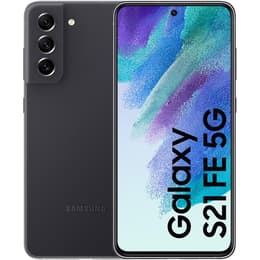
Galaxy S21 FE 5G
Galaxy S21 FE 5G
Starting at

Refurbished price:A$328.00

Versus A$1,252.00 new

See options

The Asus Zenfone 9, released in July 2022, and the Samsung Galaxy S21 FE 5G, launched in January 2022, are both Android smartphones that offer distinct experiences. While the Zenfone 9 emphasizes a compact form factor and a unique gimbal-stabilized camera, the Galaxy S21 FE 5G provides a larger display and a versatile triple-camera system, catering to different user preferences.

Scores

Durability

When considering the long-term usability of these devices, their release timelines and software support policies are key factors.

  • Release Timeline and OS Support: The Asus Zenfone 9 launched with Android 12 in July 2022 and was expected to receive two years of major OS updates, bringing it up to Android 14. The Galaxy S21 FE 5G, released in January 2022, also started with Android 12 and typically benefits from Samsung's policy of providing four years of major OS updates for its S series devices. This means the Galaxy S21 FE 5G is likely to receive software support for a longer duration.
  • Repairability and Durability: Both devices feature an IP68 rating for dust and water resistance, offering a good level of protection against environmental elements. The Zenfone 9 has a repairability score of 4.5 out of 10, with screen replacement noted as particularly challenging. Information on the Galaxy S21 FE 5G's specific repairability score is less prominent, though Samsung has introduced a 'repair mode' for its S21 series to protect user data during servicing.
  • Expected Practical Lifespan: Users prioritizing extended software longevity will find the Galaxy S21 FE 5G's update policy more appealing. For those who value a compact, robust build, the Zenfone 9's design with a plastic/polymer back and aluminum frame offers a durable feel, though some users have noted wear on the back over time.

Release year

2022

2022

Compatible with latest Update

Yes

Yes

Operating system

Android

Android

Foldable

No

No

Performance

Both smartphones are equipped with powerful components designed to handle demanding tasks, though their approaches to performance management differ.

  • Processor Capabilities: The Asus Zenfone 9 features a high-end processor, enabling smooth operation for demanding applications and multitasking. Users report a snappy and responsive experience. The Galaxy S21 FE 5G also includes a high-end processor, providing robust performance for gaming, video editing, and general daily use.
  • Battery Behavior: The Zenfone 9 houses a 4300 mAh battery, which, combined with its smaller display and efficient processor, often results in good to excellent battery life for its size, with some users reporting up to 1.5 to 2 days of use. However, it lacks wireless charging. The Galaxy S21 FE 5G comes with a 4500 mAh battery, generally providing all-day power for typical usage, and supports both wired and wireless charging.
  • Storage and Multitasking: The Zenfone 9 offers storage options up to 256GB and RAM configurations up to 16GB, contributing to efficient multitasking and app management. The Galaxy S21 FE 5G is available with up to 256GB of storage and 8GB of RAM, which is sufficient for most users' multitasking needs. Neither device offers expandable storage.

Memory (GB)

6 GB

8 GB

Screen quality

The visual experience on both devices is delivered through high-quality displays, each with specific characteristics.

  • Display Technology and Clarity: The Asus Zenfone 9 features a 5.9-inch Super AMOLED display with a 1080 x 2400 pixel resolution, offering vibrant colors and deep blacks. The Galaxy S21 FE 5G sports a larger 6.4-inch Dynamic AMOLED 2X display with a FHD+ resolution (2340 x 1080 pixels), known for its vibrant, colorful, and detailed output. Both displays are protected by Gorilla Glass Victus.
  • Refresh Rate and Brightness: Both phones offer an adaptive 120Hz refresh rate, contributing to smooth scrolling and a fluid user interface. The Zenfone 9 has a peak brightness of 1100 nits. Some Zenfone 9 users have reported inconsistencies with the auto refresh rate and perceived lower brightness in certain conditions. The Galaxy S21 FE 5G's display is also noted for its satisfying brightness levels.
  • Viewing Experience: The Zenfone 9's smaller screen size makes it ideal for one-handed use and those who prefer a more compact device. The Galaxy S21 FE 5G's larger display provides a more expansive viewing area, which can enhance media consumption and productivity for users who prefer more screen real estate.

Resolution

1080 x 2400

1080 x 2340

Screen type

Super AMOLED

Dynamic AMOLED 2X

Audiovisual

Both smartphones offer capable camera systems, but they approach photography with different strengths and features.

  • Rear Camera Systems: The Asus Zenfone 9 features a dual-camera setup, including a 50MP main sensor with a unique 6-axis gimbal stabilization system and a 12MP ultrawide lens. This gimbal system is particularly effective for video recording, providing impressive stability. The Galaxy S21 FE 5G boasts a more versatile triple-camera array, comprising a 12MP main lens with optical image stabilization, a 12MP ultrawide lens, and an 8MP telephoto lens capable of 3x optical zoom and up to 30x digital zoom.
  • Photography Performance: The Zenfone 9's main camera can capture detailed images with accurate colors in good lighting, but some users have noted inconsistencies, such as oversaturation or flatness, and a slow shutter speed in certain conditions. Its low-light performance is generally strong for the main sensor, but the ultrawide can show noise. The Galaxy S21 FE 5G delivers good overall camera performance with vibrant colors, and its dedicated telephoto lens is a significant advantage for zooming. However, its ultrawide camera may perform less optimally in low light.
  • Front Camera and Video: The Zenfone 9 has a 12MP front camera with autofocus, which is beneficial for selfies and video calls. It supports 4K video recording at 30fps from the front camera and up to 8K at 24fps from the rear. The Galaxy S21 FE 5G features a 32MP front camera, which can produce sharp photos, though some users find its default output muted. Both phones offer 4K video recording at 60fps from their main rear cameras.

Main camera

50 megapixels

12 megapixels

Front camera

12 megapixels

32 megapixels

Miscellaneous

Beyond core specifications, several practical elements contribute to the overall user experience of these smartphones.

  • Connectivity and Ports: Both devices support 5G connectivity, Wi-Fi 6/6E, Bluetooth 5.2, and NFC for modern wireless interactions. The Zenfone 9 uniquely retains a 3.5mm headphone jack, which is a notable feature for users who prefer wired audio. Both utilize a USB-C port for charging and data transfer.
  • Biometric Security: The Zenfone 9 integrates a side-mounted fingerprint sensor into its power button, which users often praise for its speed and consistency. The Galaxy S21 FE 5G features an in-display fingerprint sensor, offering a seamless unlocking experience. Both also support face recognition.
  • Design and Handling: The Zenfone 9 is notably compact and lightweight at 169g and dimensions of 146.5 x 68.1 x 9.1 mm, making it comfortable for one-handed use. It features a plastic/polymer back and an aluminum frame. The Galaxy S21 FE 5G is larger and slightly heavier at 177g and 155.7 x 74.5 x 7.9 mm, providing a more substantial feel in hand.

Weight

169 oz

177 oz

Screen size (in)

5.9

6.4

Network

5G

5G

SIM card

Dual Physical SIM

Physical SIM

Carrier compatibility

Unlocked

Unlocked

The Asus Zenfone 9 and Samsung Galaxy S21 FE 5G cater to different user priorities, each excelling in specific areas. The Zenfone 9 is frequently praised for its compact size, making it an appealing choice for users seeking a powerful Android device that is easy to handle with one hand. Its battery life is often highlighted as impressive for its form factor, and the gimbal-stabilized main camera is a significant advantage for video recording. Common criticisms include its limited software update policy and occasional inconsistencies in still photography, particularly with over-sharpening or noise in certain conditions. Some users also note the absence of wireless charging and potential wear on the back material.

Conversely, the Galaxy S21 FE 5G is generally lauded for its vibrant display, versatile triple-camera system with a dedicated telephoto lens, and a more extended software update commitment. Users appreciate its all-day battery life and the convenience of wireless charging. While generally well-received, some users have found its front camera performance to be mixed and its low-light capabilities on the ultrawide lens to be less impressive than the main sensor.

Users prioritizing a compact, high-performance device with excellent video stabilization and a headphone jack may find the Asus Zenfone 9 well-suited to their needs. Those who prefer a larger display, a more comprehensive camera system with optical zoom, and a longer software support window will likely lean towards the Samsung Galaxy S21 FE 5G. Both models represent solid choices within the Android ecosystem, and considering a quality-assured refurbished option for either device can be a sustainable choice for consumers.


See all articles

Our recent comparisons