Motorola Moto G62 5G vs Motorola Razr 40

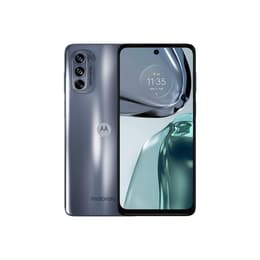
Motorola Moto G62 5G
Starting at

Refurbished price:A$229.00

Versus A$890.00 new

See options
Motorola Razr 40
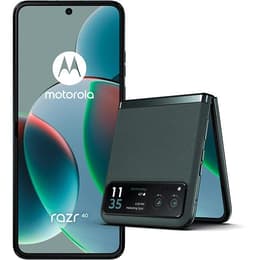
Motorola Razr 40
See options

The Motorola Moto G62 5G (released in 2022) and the Motorola Razr 40 (released in 2023) are distinct smartphones from Motorola, catering to different user preferences. The Moto G62 5G offers a traditional smartphone experience with a focus on essential features, while the Razr 40 introduces a foldable design, providing a compact form factor when closed and a larger display when opened. Both devices run on the Android operating system, offering a near-stock Android experience with Motorola's custom My UX enhancements.

Scores

Durability

Comparing the longevity of these two devices involves looking at their release timelines, software support, and physical resilience.

  • Release Timeline and Software Support: The Moto G62 5G, launched in mid-2022, typically receives fewer major Android updates compared to the Razr 40, which was released in mid-2023. The Razr 40 is expected to receive three years of Android OS updates, ending with Android 16, and four years of bi-monthly security updates, offering a longer software lifespan.
  • Physical Durability: The Moto G62 5G features a plastic build with a water-repellent design, offering some protection against splashes. The Razr 40, with its foldable design, incorporates an aluminum frame, a plastic front for the main display, and a glass back with a vegan leather option, also featuring an IP52 water-repellent rating.
  • Repairability: The Moto G62 5G has a repairability score of 5.0 out of 10, indicating moderate ease of repair, though adhesive is used for the back cover and battery. The Razr 40, due to its complex foldable mechanism, has a lower repairability score, often rated around 4 out of 10, with some older Razr models scoring as low as 1 out of 10, making repairs more challenging.

Release year

2022

2023

Compatible with latest Update

No

Yes

Operating system

Android

Android

Foldable

No

Yes

Performance

The performance of these devices varies significantly, primarily due to their different internal components and target segments.

  • Processing Power: The Moto G62 5G is equipped with a processor that handles everyday tasks, social media, and light gaming smoothly. The Razr 40 features a more capable mid-range processor, providing a more responsive experience for demanding applications, multitasking, and graphically intensive games.
  • Multitasking and Storage: The Moto G62 5G typically comes with 4GB or 6GB of RAM, suitable for standard multitasking, and offers expandable storage via a microSD card. The Razr 40 offers higher RAM configurations, usually 8GB or 12GB, which allows for smoother transitions between numerous open applications, and comes with larger internal storage options without microSD expansion.
  • Battery Life: The Moto G62 5G houses a larger 5000 mAh battery, which generally translates to extended usage times for most users. The Razr 40 has a 4200 mAh battery, and while it supports faster wired and wireless charging, its overall battery endurance might be less for heavy users compared to the Moto G62 5G.

Memory (GB)

4 GB

8 GB

Screen quality

The display experience is a major differentiator, especially given the Razr 40's unique form factor.

  • Display Technology and Size: The Moto G62 5G features a 6.5-inch IPS LCD panel, offering clear visuals and a 120Hz refresh rate for smooth scrolling. The Razr 40 boasts a 6.9-inch foldable LTPO AMOLED main display, providing deeper blacks, more vibrant colors, and a higher 144Hz refresh rate.
  • External Display: A key feature of the Razr 40 is its 1.5-inch AMOLED cover display, which shows notifications, time, and quick controls without needing to open the phone. The Moto G62 5G does not have a secondary external display.
  • Brightness and Clarity: Both phones offer Full HD+ resolution on their main screens, ensuring sharp text and images. The Razr 40's AMOLED panel generally achieves higher peak brightness levels, making it more visible in bright outdoor conditions compared to the Moto G62 5G's LCD.

Resolution

1080 x 2400

1080 x 2640

Screen type

IPS LCD

Foldable LTPO AMOLED

Audiovisual

The camera systems and audio capabilities present different strengths in each device.

  • Main Camera Performance: The Moto G62 5G features a 50 MP main camera that performs well in good lighting conditions, capturing decent detail and balanced colors. The Razr 40 comes with a 64 MP main camera with optical image stabilization (OIS), which can lead to sharper images, especially in challenging lighting, and more stable video recording.
  • Additional Lenses and Features: Both phones include an ultrawide camera (8 MP on G62, 13 MP on Razr 40) for broader shots. The Moto G62 5G also has a 2 MP macro lens. For selfies, the Razr 40 has a higher resolution 32 MP front camera compared to the Moto G62 5G's 16 MP sensor.
  • Audio Experience: The Moto G62 5G offers stereo speakers with Dolby Atmos support, providing an immersive audio experience for media consumption. The Razr 40 also features stereo speakers, delivering a good audio output for calls and entertainment.

Main camera

50 megapixels

64 megapixels

Front camera

16 megapixels

32 megapixels

Miscellaneous

Beyond core features, several practical aspects differentiate these two Motorola smartphones.

  • Design and Portability: The Moto G62 5G has a conventional slab design, offering a familiar feel. The Razr 40's foldable design allows it to be significantly more compact when closed, making it easier to carry in smaller pockets or bags. When unfolded, it presents a tall, slender profile.
  • Connectivity and Ports: Both devices support 5G connectivity. The Razr 40 features newer Wi-Fi 6E and Bluetooth 5.3 standards, offering potentially faster and more stable wireless connections compared to the Moto G62 5G's Wi-Fi 5 and Bluetooth 5.1. The Moto G62 5G retains a 3.5mm headphone jack, which is absent on the Razr 40. Both use USB-C for charging and data transfer.
  • Biometric Security: Both smartphones incorporate a side-mounted fingerprint sensor for secure unlocking. The Razr 40 also offers face unlock capabilities.

Weight

184 oz

189 oz

Screen size (in)

6,5

6,9

Network

5G

5G

SIM card

Dual Physical SIM

Dual Physical SIM + eSIM

Carrier compatibility

Unlocked

Unlocked

The Motorola Moto G62 5G and Motorola Razr 40 cater to different user needs and preferences, as reflected in user feedback. Users often praise the Moto G62 5G for its reliable battery life, smooth 120Hz display, and clean software experience, making it a solid choice for everyday use. Common criticisms sometimes point to its camera performance in low light and its LCD panel compared to AMOLED alternatives.

The Motorola Razr 40 is frequently lauded for its unique foldable design, which offers enhanced portability without compromising on screen size when unfolded. Its vibrant AMOLED display and improved camera system are also often highlighted positively. Some users note the crease on the foldable screen and the repairability challenges inherent in its design as potential concerns.

Users prioritizing a long-lasting battery and a traditional, dependable smartphone experience may find the Moto G62 5G well-suited to their needs. It's a practical option for those who value consistent performance for daily tasks. Conversely, users who desire a compact, stylish device with a modern foldable form factor and a more advanced display will likely lean towards the Razr 40. It offers a distinct user experience for those who appreciate innovative design and a slightly more capable camera system. Both devices, whether new or as quality-assured refurbished options, provide pathways to informed and sustainable choices in mobile technology.

See all articles

Our recent comparisons