
Compare models

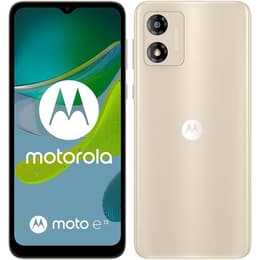
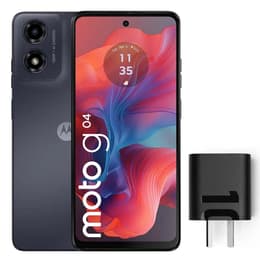
Motorola Moto E13 vs Motorola Moto G04

  • 1-year warranty
  • Free standard shipping
  • Free 30-day returns

Differences at a glance

The Motorola Moto E13 (2023) and the Motorola Moto G04 (2024) are entry-level smartphones designed to handle everyday communication and basic mobile tasks efficiently. While both devices serve users looking for straightforward functionality, the Moto G04 arrives as a slightly newer iteration with minor refinements to display smoothness and operating system software. The Moto E13 runs on a streamlined version of the Android operating system tailored for lighter resource consumption, whereas the Moto G04 utilizes a standard, updated iteration of Android. These phones offer practical options for everyday users who require reliable tools without complex features.

Scores

Durability

When examining longevity and hardware endurance, both devices offer standard durability profiles typical of entry-level mobile hardware, though their software support timelines differ slightly based on release schedules.

  • Software Support and Age: The Moto G04 benefits from a newer release year, giving it a slightly extended window for software updates compared to the Moto E13.
  • Operating System Efficiency: The Moto E13 utilizes a lightweight operating system variant designed to maintain system responsiveness over time despite modest hardware configurations.
  • Repairability and Build: Both models feature straightforward plastic chassis construction with basic splash-resistant ratings, making them similarly manageable for standard maintenance and everyday wear.

Release year

2023

2024

Compatible with latest Update

No

Yes

Operating system

Android

Android

Foldable

No

No

Performance

Both smartphones rely on identical core processing hardware to handle daily tasks like web browsing, messaging, and media streaming, but software optimization creates distinct everyday experiences.

  • Multitasking and Responsiveness: The Moto E13 runs a specialized lightweight software environment that helps lighter memory configurations manage basic app switching smoothly. The Moto G04 operates on standard software which can accommodate broader application compatibility.
  • Battery Behavior: Each device packs a large capacity battery paired with energy-efficient processors, comfortably supporting a full day of mixed usage such as web navigation, messaging, and occasional video playback before requiring a recharge.
  • Storage and Expansion: Both models include expandable storage options via dedicated memory card slots, allowing users to store large collections of photos, music, and offline files easily.

Screen quality

Display characteristics differ notably between the two models, primarily regarding visual fluidity and interface animation smoothness during daily navigation.

  • Refresh Rate and Fluidity: The Moto G04 features an upgraded refresh rate that provides smoother scrolling through web pages and social media feeds compared to the standard refresh rate on the Moto E13.
  • Panel Technology and Resolution: Both devices utilize IPS LCD screens with high-definition clarity, delivering natural colors and adequate sharpness for reading, viewing photos, and watching videos.
  • Outdoor Visibility: Screen brightness levels on both handsets are sufficient for indoor environments, though direct sunlight may require manual adjustments for comfortable viewing outdoors.

Resolution

720 x 1600

720 x 1612

Screen type

IPS LCD

IPS LCD

Audiovisual

Media capture and audio output capabilities are tuned for casual documentation and standard everyday consumption rather than advanced creative work.

  • Photography Performance: The Moto G04 features a slightly higher-resolution main sensor than the Moto E13, though both perform best in well-lit environments for capturing simple snapshots and documents.
  • Video and Audio Recording: Standard microphone capabilities handle voice calls and casual video recording adequately, while the built-in single speakers support routine media playback and hands-free calling.
  • Listening Experience: Both models retain the traditional headphone jack alongside wireless Bluetooth connectivity, accommodating both wired and wireless audio accessories.

Main camera

13 megapixels

16 megapixels

Front camera

5 megapixels

5 megapixels

Miscellaneous

Physical handling and connectivity features remain consistent with practical, everyday mobile design expectations.

  • Dimensions and Weight: Both smartphones share very similar physical footprints and lightweight plastic builds, ensuring comfortable one-handed operation and easy pocket portability.
  • Biometrics and Security: The Moto G04 includes a convenient side-mounted fingerprint sensor for rapid unlocking, whereas the Moto E13 relies more heavily on traditional PIN, pattern, or basic software recognition methods depending on configuration.
  • Connectivity: Standard 4G LTE, Wi-Fi, and Bluetooth capabilities ensure reliable pairing with wireless networks and accessories for daily communication needs.

Weight

181 oz

179 oz

Screen size (in)

6.5

6.56

Network

4G

4G

SIM card

Dual Physical SIM

Dual Physical SIM

Carrier compatibility

Unlocked

Unlocked

What the community thinks

Choosing between these two Motorola devices depends largely on user preferences for software environment and interface fluidity. Users prioritizing smoother screen animations and a more standard, updated operating system interface may lean toward the Moto G04. Conversely, users seeking a lightweight software setup designed to optimize basic hardware efficiency will find the Moto E13 a practical match for simple daily tasks.

For consumers exploring sustainable shopping habits, opting for a quality-assured refurbished option through Back Market provides an eco-friendly alternative that extends device lifecycles and reduces electronic waste. Evaluating these core differences helps ensure that your final choice aligns seamlessly with your daily communication needs.