Compare models
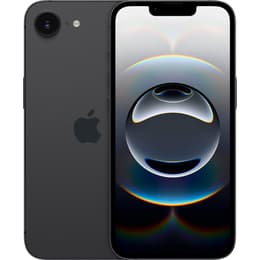
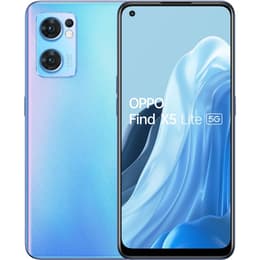
iPhone 16e vs Oppo Find X5 Lite
- 1-year warranty
- Free standard shipping
- Free 30-day returns
Differences at a glance
The Apple iPhone 16e (2025) and the Oppo Find X5 Lite (2022) are distinct smartphones catering to different software ecosystems and generation timelines. While the iPhone 16e runs iOS with modern hardware optimizations, the Oppo Find X5 Lite operates on Android with customizable skin layers. These devices differ notably in their release years, processing approaches, and software lifecycles.
Available Models
Colour
Storage (GB)
Scores
Durability
When examining hardware longevity and software support, the iPhone 16e benefits from a significantly more recent release year compared to the Oppo Find X5 Lite.
- Software Support Window: The iPhone 16e receives multi-year operating system upgrades typical of Apple devices, whereas the Oppo Find X5 Lite operates closer to the end of its primary software update cycle due to its earlier release timeline.
- Build Durability: Both devices incorporate protective glass and sturdy frame constructions, though the iPhone 16e features modern water and dust resistance specifications alongside scratch-resistant screen protection.
- Practical Lifespan: Users seeking extended software security and long-term component relevancy will find the newer Apple model suited to prolonged deployment, while the Oppo device aligns with shorter upgrade intervals.
Release year
2025
2022
Operating system
iOS
Android
Foldable
No
No
Performance
System responsiveness and everyday multitasking capabilities differ due to the underlying hardware architectures and internal memory configurations of each phone.
- App Loading and Multitasking: The iPhone 16e handles intensive applications, modern gaming, and background processes smoothly with its current-generation architecture and generous RAM allocation. The Oppo Find X5 Lite manages daily tasks, web browsing, and moderate app switching reliably using its mid-range processor setup.
- Storage Options: Both smartphones provide ample internal storage configurations for applications, media files, and offline content, with choices starting at generous baseline capacities.
- Battery Behavior: Battery endurance varies under heavy load, with the iPhone 16e designed for prolonged screen-on time during continuous use, while the Oppo model relies on rapid charging technologies to quickly replenish its power cell during busy days.
Screen quality
Display technologies across both devices offer clear visuals, though they implement different refresh rates and panel characteristics for daily media consumption.
- Display Technology: The iPhone 16e utilizes an OLED panel delivering deep contrast levels and crisp text rendering, whereas the Oppo Find X5 Lite features an AMOLED screen equipped with a higher refresh rate for smoother scrolling animations.
- Brightness and Outdoor Legibility: Peak brightness levels on the iPhone 16e allow for comfortable viewing under direct sunlight, while the Oppo display performs adequately in typical outdoor lighting conditions.
- Panel Dimensions: Both smartphones offer compact to mid-sized viewing areas around six inches, striking a balance between comfortable one-handed handling and immersive video playback.
Resolution
2532x1170
1080 x 2400
Audiovisual
Imaging hardware and audio-visual output reflect distinct engineering priorities for capturing memories and consuming multimedia content.
- Camera Systems: The iPhone 16e relies on a high-resolution primary sensor paired with software processing to capture detailed everyday photos and clear low-light shots. The Oppo Find X5 Lite features a triple-lens rear array including dedicated ultra-wide and macro options for varied photographic perspectives.
- Video Recording: Video capture on the iPhone yields stable footage with wide dynamic range, while the Oppo model supports standard resolution recordings suitable for casual sharing.
- Media Consumption: Built-in speakers on both devices provide adequate audio output for hands-free calls and short videos, though external headphones or speakers enhance longer listening sessions.
Front camera
TrueDepth 12MP
32 megapixels
Miscellaneous
Physical design traits, biometric security features, and connectivity standards shape the everyday ergonomic experience of each smartphone.
- Biometric Security: The iPhone 16e utilizes facial recognition technology for secure unlocking, while the Oppo Find X5 Lite integrates an optical fingerprint scanner directly beneath the display glass.
- Physical Dimensions: Both models maintain slim profiles and manageable weights, making them comfortable to carry in pockets or bags during travel.
- Connectivity and Ports: Each device supports modern 5G cellular networks and Wi-Fi standards, utilizing reversible USB Type-C ports for charging and data synchronization.
Weight
167 oz
173 oz
Screen size (in)
6.1
6.43
Network
5G
5G
SIM card
Physical SIM + eSIM
Dual Physical SIM
Carrier compatibility
Unlocked
Unlocked
Connector
USB-C
USB-C
What the community thinks
User discussions across community forums highlight distinct preferences depending on individual workflow habits. Owners of the iPhone 16e frequently praise its long-term software update commitment, robust processing efficiency, and seamless integration within the iOS ecosystem. Conversely, users of the Oppo Find X5 Lite often value its smooth display refresh rate, versatile triple-camera layout, and rapid charging capabilities that minimize time spent plugged into a wall outlet.
When deciding between these two devices, users prioritizing long software lifespans, ecosystem consistency, and powerful processing headroom will find the iPhone 16e well-suited to their daily routine. Meanwhile, users who lean toward Android flexibility, high-refresh-rate scrolling, and rapid power replenishment may prefer the Oppo Find X5 Lite. For consumers exploring sustainable technology avenues, choosing a quality-assured refurbished option provides an eco-friendly alternative that extends device lifecycles without compromising on reliability.