

Samsung
Compare models
Differences at a glance
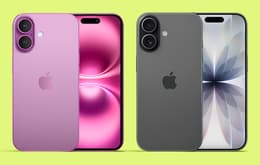
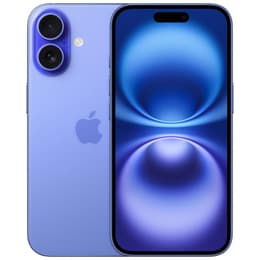
The iPhone 16, released in September 2024, and the Nokia X30, launched in September 2022, represent distinct approaches to smartphone design and functionality. While both devices offer modern connectivity and camera capabilities, they differ significantly in their operating systems, core processing power, and display characteristics. The iPhone 16 operates on Apple's iOS, known for its integrated ecosystem, whereas the Nokia X30 runs on Android, offering a more open software experience.
Colour
Storage (GB)
When considering the long-term usability of a smartphone, factors such as software support, physical resilience, and repairability are key.
Release year
The responsiveness and capability of a smartphone's internal components directly influence daily user experience, from launching applications to managing multiple tasks.
The display is a primary interface for smartphone interaction, and its quality significantly impacts the viewing experience for media, browsing, and applications.
For many users, the camera system is a crucial component, influencing how they capture and share moments.
Beyond the core specifications, several practical elements contribute to the overall user experience and device utility.
Screen size (in)
Network
SIM card
Carrier compatibility
User feedback for the iPhone 16 often praises its advanced camera system, particularly the improved low-light performance and the versatility of the 48MP main sensor with its 2x optical-quality zoom. The integration of Apple Intelligence and the new Camera Control button are also frequently highlighted as beneficial for enhancing user interaction and creative possibilities. Some users, however, express a desire for a higher refresh rate display, noting that the 60Hz panel feels less fluid compared to many contemporary smartphones.
For the Nokia X30, common praise points include its vibrant AMOLED display with a 90Hz refresh rate, providing a smooth visual experience, and its commitment to software updates, offering a clean Android experience for an extended period. Its eco-friendly design, incorporating recycled materials, also resonates positively with environmentally conscious consumers. Criticisms sometimes point to the processor's mid-range performance, which might not satisfy users with very demanding usage patterns, and the absence of 4K video recording.
Users prioritising a highly integrated ecosystem, cutting-edge computational photography, and long-term software support may find the iPhone 16 well-suited to their needs. Its robust performance and advanced AI capabilities cater to those who engage with demanding applications and seek a premium mobile experience. Conversely, individuals who value a smoother display for everyday interactions, a strong commitment to sustainability, and a pure Android experience might lean towards the Nokia X30. It offers a balanced set of features for general use, media consumption, and photography, making it a practical choice for those seeking a reliable and eco-conscious device. Both devices are available as quality-assured refurbished options, providing a sustainable choice for consumers.