iPhone 15 vs Motorola Razr 40 Ultra

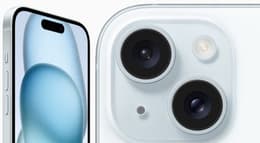
iPhone 15
iPhone 15
Starting at

Refurbished price:A$665.00

Versus A$1,249.00 new

See options
Motorola Razr 40 Ultra
See options

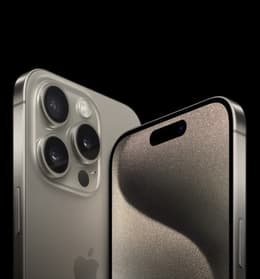
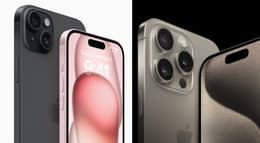
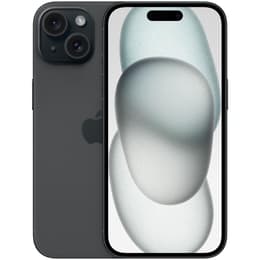
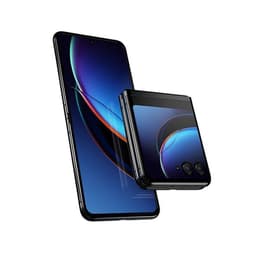
The iPhone 15 (2023) and the Motorola Razr 40 Ultra (2023) represent distinct approaches to modern smartphone design. The iPhone 15 offers a traditional, flat-screen experience with Apple's iOS ecosystem, while the Motorola Razr 40 Ultra stands out as a foldable clamshell device running Android, emphasizing portability and a unique interactive external display. These differences cater to varying user preferences, from those seeking a familiar and robust slab phone to individuals desiring an innovative, compact form factor.

Scores

Durability

The longevity of a smartphone is influenced by its physical resilience and ongoing software support. Both devices were released in 2023, but their expected lifespans differ in certain aspects.

  • Software Support: The iPhone 15 is expected to receive a minimum of five years of major software updates from its release date, with security updates potentially extending beyond that period. The Motorola Razr 40 Ultra launched with Android 13, and while Motorola typically provides several years of updates for its flagship devices, the exact duration of major OS and security updates is generally shorter than Apple's commitment.
  • Physical Durability: The iPhone 15 features a Ceramic Shield front and a color-infused glass back, along with an IP68 rating for dust and water resistance, allowing submersion in up to 6 meters of water for 30 minutes. The Motorola Razr 40 Ultra incorporates Corning Gorilla Glass Victus on its cover screen and has an IP52 rating, indicating protection against dust and splashes, but not full water immersion.
  • Repairability: The iPhone 15 initially received a repairability score of 4 out of 10, which was later improved to 7 out of 10 for some models, though challenges with parts calibration can still exist for independent repairs. Foldable phones like the Razr 40 Ultra generally present more complex repair challenges due to their intricate hinge mechanisms and flexible displays.

Release year

2023

2023

Compatible with latest Update

Yes

Yes

Operating system

iOS

Android

Foldable

No

Yes

Performance

Performance in daily use, from app handling to battery endurance, varies between these two devices due to their underlying hardware and software optimizations.

  • Processing Power: The iPhone 15 handles demanding applications and multitasking smoothly, offering a responsive user experience. The Motorola Razr 40 Ultra also provides smooth performance for everyday tasks and gaming, capable of running intensive applications without significant slowdowns.
  • Multitasking and Storage: The iPhone 15 comes with 6GB of RAM and offers storage options of 128GB, 256GB, and 512GB. The Motorola Razr 40 Ultra is available with 8GB or 12GB of RAM and storage options of 256GB or 512GB, providing ample space and memory for multiple applications.
  • Battery Life: The iPhone 15 is equipped with a 3,349mAh battery, providing up to 20 hours of video playback and around 11 hours of web browsing. The Motorola Razr 40 Ultra features a 3,800mAh battery, which typically lasts a full day with mixed usage, and its efficient external display can help conserve power.

Memory (GB)

6 GB

8 GB

Screen quality

The display experience is a primary differentiator, with the iPhone 15 offering a traditional high-quality screen and the Razr 40 Ultra featuring a unique foldable design with two distinct displays.

  • Main Display Technology: The iPhone 15 features a 6.1-inch Super Retina XDR OLED display with a resolution of 2556x1179 pixels and a pixel density of approximately 460 PPI. The Motorola Razr 40 Ultra's main internal display is a 6.9-inch FlexView pOLED LTPO panel with a resolution of 2640x1080 pixels and a pixel density of 413 PPI.
  • Refresh Rate and Brightness: The iPhone 15 has a standard 60Hz refresh rate and can reach a peak outdoor brightness of up to 2,000 nits. The Razr 40 Ultra's main display offers an adaptive refresh rate ranging from 1Hz to 165Hz, with a peak brightness of 1,400 nits.
  • External Display: A key feature of the Razr 40 Ultra is its large 3.6-inch QuickView pOLED external display, which has a resolution of 1056x1066 pixels, a 144Hz refresh rate, and 1,100 nits peak brightness, allowing for significant interaction without opening the phone. The iPhone 15 utilizes a Dynamic Island cutout at the top of its display for alerts and interactions.

Resolution

1179 x 2556

1080 x 2640

Screen type

Super Retina XDR OLED

Foldable LTPO AMOLED

Audiovisual

Both smartphones offer capable camera systems, but their strengths and versatility cater to different photographic needs and user styles.

  • Rear Camera Systems: The iPhone 15 features a dual-camera setup with a 48-megapixel main sensor that includes 2x telephoto capabilities, and a 12-megapixel ultra-wide camera. The Motorola Razr 40 Ultra also has a dual rear camera system, comprising a 12-megapixel main sensor with optical image stabilization (OIS) and a 13-megapixel ultra-wide lens that can also function for macro photography.
  • Photography Performance: The iPhone 15 is known for its consistent image quality, improved low-light performance, and features like automatic portrait mode. The Razr 40 Ultra's cameras perform well in bright conditions, and its foldable design allows for creative shooting angles and using the main cameras for high-quality selfies via the cover screen.
  • Video Recording and Front Camera: Both devices support 4K video recording. The iPhone 15 has a 12-megapixel front camera. The Razr 40 Ultra includes a 32-megapixel front camera on its main display, and its external display allows for high-quality selfies and vlogging using the more capable rear cameras.

Main camera

48 megapixels

12 megapixels

Front camera

12 megapixels

32 megapixels

Miscellaneous

Beyond core features, several practical elements contribute to the overall user experience and differentiate these two devices.

  • Connectivity and Ports: Both the iPhone 15 and Motorola Razr 40 Ultra support 5G, Wi-Fi 6, and Bluetooth 5.3. A significant change for the iPhone 15 is the adoption of a USB-C port, though it operates at USB 2.0 speeds. The Razr 40 Ultra also uses a USB-C 2.0 port.
  • Biometric Security: The iPhone 15 relies on Face ID for secure facial recognition. The Motorola Razr 40 Ultra offers a side-mounted fingerprint scanner and supports Face Unlock.
  • Design and Handling: The iPhone 15 has an aluminum design with a color-infused glass back, weighing 171 grams and measuring 7.8mm thick. The Razr 40 Ultra, as a foldable, weighs 188.5 grams and is 6.99mm thick when unfolded, folding down to a compact 15.1mm thickness. Its unique form factor offers enhanced portability when folded.

Weight

171 oz

1 oz

Screen size (in)

6.1

6.9

Network

5G

5G

SIM card

Physical SIM + eSIM

Dual Physical SIM

Carrier compatibility

Unlocked

Unlocked

The iPhone 15 and Motorola Razr 40 Ultra cater to distinct user preferences, each excelling in different areas. User feedback for the iPhone 15 often praises its consistent performance, reliable camera system, and the long-term software support provided by Apple. Common criticisms sometimes point to its 60Hz display refresh rate and the USB 2.0 speeds of its new USB-C port, which are not as advanced as some competitors. The Motorola Razr 40 Ultra is frequently lauded for its innovative foldable design and the highly functional, large external display that allows for extensive interaction without opening the device. However, its camera performance is sometimes noted as not reaching the same level as traditional flagship smartphones, and while its battery life is good for a foldable, it may not match the endurance of some slab phones.

Users prioritizing a traditional, highly polished smartphone experience with robust software longevity and a consistently strong camera will likely find the iPhone 15 well-suited to their needs. It offers a familiar and dependable ecosystem with strong durability features. Conversely, users who value a unique, compact form factor, a highly interactive external display, and a fresh Android experience will lean towards the Motorola Razr 40 Ultra. Its design offers a blend of style and practicality for those seeking something different. Both devices, whether new or as a quality-assured refurbished option, provide compelling choices depending on individual priorities.

See all articles

Our recent comparisons