iPhone 15 vs iPhone 16 Plus

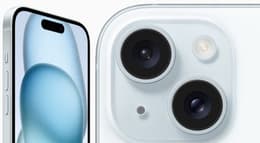
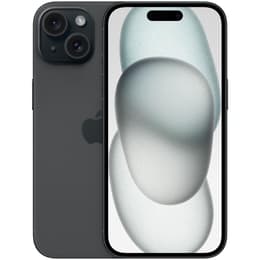
iPhone 15
iPhone 15
Starting at

Refurbished price:A$680.00

Versus A$1,249.00 new

See options
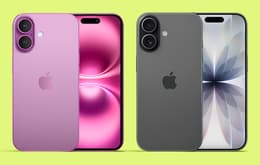
iPhone 16 Plus
iPhone 16 Plus
Starting at

Refurbished price:A$942.00

Versus A$1,599.00 new

See options

Ratings

The iPhone 15 (2023) and iPhone 16 Plus (2024) are two distinct smartphone offerings from Apple, catering to different user preferences in terms of size and capabilities. While the iPhone 15 provides a more compact experience, the iPhone 16 Plus introduces a larger display, enhanced battery performance, and a more advanced camera system. Both devices operate on Apple's iOS platform, ensuring a consistent software experience with regular updates.

Scores

Durability

When considering the longevity of these devices, several factors come into play, including their release timelines, software support, and repairability.

  • Release Timeline: The iPhone 15 was released in September 2023, while the iPhone 16 Plus followed a year later in September 2024. This difference means the iPhone 16 Plus will likely receive software updates for a longer period.
  • Software Support: Both models are designed to receive multiple years of iOS updates. The iPhone 15 launched with iOS 17 and is compatible with iOS 18 and iOS 26, but does not support Apple Intelligence. The iPhone 16 Plus launched with iOS 18 and is also compatible with iOS 26, and supports Apple Intelligence features.
  • Repairability: The iPhone 16 Plus demonstrates a notable improvement in repairability, receiving a score of 7 out of 10 from iFixit. This is a significant increase compared to the iPhone 15's initial score of 4 out of 10, which was later boosted to 7 out of 10 with iOS 18 updates and repair assistant features. The iPhone 16 Plus features an improved internal design for easier battery service and a new electrically-debonding adhesive for battery removal.

Release year

2023

2024

Compatible with latest Update

Yes

Yes

Foldable

No

No

Performance

The performance of a smartphone is crucial for daily tasks, from launching applications to managing multiple processes simultaneously. These two models offer different levels of processing power and memory.

  • Processing Power: The iPhone 15 is equipped with a capable processor that handles everyday applications and moderate multitasking smoothly. The iPhone 16 Plus features a newer generation processor, providing a noticeable boost in speed and efficiency, particularly for demanding applications and advanced features like Apple Intelligence.
  • Multitasking and Responsiveness: The iPhone 15 comes with 6GB of RAM, allowing for efficient switching between applications. The iPhone 16 Plus includes 8GB of RAM, which contributes to even smoother multitasking and a more responsive experience, especially when running numerous apps concurrently or engaging in intensive mobile gaming.
  • Storage Options: Both devices offer identical storage configurations, available in 128GB, 256GB, and 512GB, providing ample space for applications, photos, and videos.

Memory (GB)

6 GB

8 GB

Screen quality

The display is a primary interface for users, and both iPhones offer high-quality viewing experiences with some key distinctions in size and refresh rate.

  • Display Technology and Size: Both the iPhone 15 and iPhone 16 Plus feature Super Retina XDR OLED displays, known for deep blacks and vibrant colors. The iPhone 15 has a 6.1-inch display, offering a compact viewing area. The iPhone 16 Plus, as its name suggests, provides a larger 6.7-inch display, enhancing the viewing experience for media consumption and productivity.
  • Resolution and Brightness: Both models offer sharp resolutions (2556x1179 for iPhone 15, 2796x1290 for iPhone 16 Plus) resulting in a similar pixel density of approximately 460 pixels per inch, ensuring clear text and detailed images. They also share impressive brightness levels, with a typical brightness of 1,000 nits and a peak outdoor brightness of 2,000 nits, making them suitable for use in various lighting conditions.
  • Refresh Rate: Both the iPhone 15 and iPhone 16 Plus feature a standard 60Hz refresh rate. While this provides a smooth experience for most daily interactions, users accustomed to higher refresh rates on other devices might notice a difference in scrolling fluidity.

Resolution

1179 x 2556

1290 x 2796

Screen type

Super Retina XDR OLED

Super Retina XDR OLED

Audiovisual

The camera systems on both iPhones are designed to capture high-quality images and videos, though the newer model introduces some refinements and additional features.

  • Rear Camera System: Both devices feature a dual-camera setup with a 48-megapixel main camera and a 12-megapixel ultrawide camera. The iPhone 15's main camera offers 2x telephoto zoom capabilities by cropping the high-resolution sensor. The iPhone 16 Plus also has a 48MP Fusion main camera and a 12MP ultrawide camera, but its ultrawide lens includes autofocus and macro photography capabilities. The iPhone 16 Plus also features a vertical camera alignment and supports spatial photos and videos.
  • Photography Features: Both models excel in everyday photography, producing detailed images with good dynamic range. The iPhone 16 Plus introduces a dedicated Camera Control button, offering more direct access to camera functions. While both capture excellent video at up to 4K 60fps, the iPhone 16 Plus's improved ultrawide camera and spatial video capabilities offer more versatility.
  • Front Camera and Audio: Both iPhones are equipped with a 12-megapixel front camera, capable of capturing detailed selfies and supporting high-quality video calls. For audio, both devices provide clear microphone quality for calls and recordings, and offer a good media consumption experience through their speakers.

Main camera

48 megapixels

48 megapixels

Front camera

12 megapixels

12 megapixels

Miscellaneous

Beyond core features, several practical elements contribute to the overall user experience and differentiate these two iPhone models.

  • Connectivity: Both devices support 5G cellular networks and Bluetooth 5.3. The iPhone 15 features Wi-Fi 6 (802.11ax), while the iPhone 16 Plus upgrades to Wi-Fi 7 (802.11be), offering potentially faster and more reliable wireless connections in compatible environments.
  • Ports and Sensors: Both the iPhone 15 and iPhone 16 Plus have transitioned to a USB-C charging port, offering universal compatibility. They both include Face ID for secure authentication. The iPhone 16 Plus also inherits the Action button from previous Pro models, allowing for customizable shortcuts.
  • Design and Handling: The iPhone 15 is the more compact option, weighing 171 grams with a 6.1-inch display. The iPhone 16 Plus is larger and heavier at 199 grams, featuring a 6.7-inch display. Both models share a durable design with an IP68 rating for dust and water resistance.

Weight

171 oz

199 oz

Screen size (in)

6.1

6.7

Network

5G

5G

SIM card

Physical SIM + eSIM

Physical SIM + eSIM

Carrier compatibility

Unlocked

Unlocked

Connector

USB-C (USB 2)

USB-C (USB 2)

User feedback often highlights the iPhone 15 as a solid choice for those seeking a capable and compact smartphone with a reliable camera and good overall performance. Its battery life is generally considered sufficient for a full day of typical use. Some users have noted that its 60Hz display, while vibrant, may not feel as fluid as devices with higher refresh rates. The iPhone 15's repairability has also seen improvements over time, making it a more sustainable choice for long-term use.

The iPhone 16 Plus is frequently praised for its significantly extended battery life, often lasting up to two days with heavy use, making it a strong contender for users who prioritize endurance. Its larger display is a common positive, enhancing media consumption and productivity. The upgraded processor and increased RAM contribute to a very smooth and responsive user experience, particularly with demanding applications and the new Apple Intelligence features. The improved ultrawide camera with macro capabilities and the higher repairability score are also notable advantages. However, like the iPhone 15, it retains a 60Hz display, which some users might find less premium compared to other devices in its category.

Users prioritizing a more compact device with strong everyday performance and a capable camera will find the iPhone 15 well-suited to their needs. Those who value a larger screen, exceptional battery life, and the latest performance enhancements, including Apple Intelligence and an improved camera system, may lean toward the iPhone 16 Plus. Both devices offer a quality-assured refurbished option, providing an eco-friendly alternative for consumers looking to make informed and sustainable choices.
See all articles

Our recent comparisons