Compare models
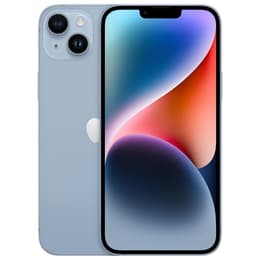
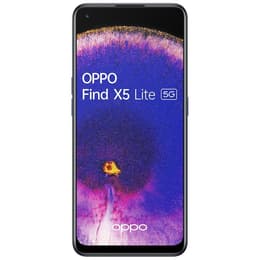
iPhone 14 Plus vs Oppo Find X5 Lite
- 1-year warranty
- Free standard shipping
- Free 30-day returns
Differences at a glance
The iPhone 14 Plus (2022) and the Oppo Find X5 Lite (2022) are distinct smartphones designed to cater to varying user preferences in screen real estate, operating systems, and everyday utility. While the iPhone 14 Plus focuses on a large display and Apple's integrated ecosystem running iOS, the Oppo Find X5 Lite offers a compact, lightweight Android experience powered by ColorOS. These two models represent alternative approaches to mid-to-high-tier mobile technology from the same release era.
Available Models
Colour
Storage
Scores
Durability
When examining longevity and durability, both devices offer solid build qualities paired with distinct software update trajectories suited for long-term ownership.
- Software Support Duration: The iPhone 14 Plus benefits from Apple's extended update cycles, typically receiving software and security updates for many years, whereas the Oppo Find X5 Lite follows a more standard Android upgrade schedule.
- Build and Repairability: Both models utilize robust outer shells featuring glass and reinforced frames, with standard repair pathways available through certified service networks and quality-assured refurbished options.
- Expected Lifespan: The iPhone 14 Plus generally maintains high software compatibility over time, while the Oppo Find X5 Lite provides reliable daily operation for users who manage storage and updates efficiently.
Release year
2022
2022
Compatible with latest Update
Yes
No
Operating system
iOS
Android
Foldable
No
No
Performance
Performance capabilities vary noticeably between the two models due to their distinct hardware configurations and operating system optimizations.
- Multitasking and Responsiveness: Both devices handle everyday tasks such as web browsing, social media feeds, and media streaming smoothly, though heavier applications benefit from the optimized processing architecture of the iPhone 14 Plus.
- Storage Configurations: The Oppo Find X5 Lite frequently offers generous baseline storage paired with expandable memory options, whereas the iPhone 14 Plus relies on fixed internal storage tiers ranging up to 512 GB.
- Battery Behavior: The iPhone 14 Plus features a large physical battery capacity designed to comfortably last a full day of mixed use, while the Oppo Find X5 Lite compensates with rapid charging technologies to minimize downtime.
Screen quality
Visual experiences differ significantly in size, refresh rate technology, and panel characteristics between these two smartphones.
- Display Technology: Both devices utilize vibrant OLED panels that deliver deep contrast levels and rich colors, though the iPhone 14 Plus offers a noticeably larger 6.7-inch workspace compared to the 6.43-inch screen on the Oppo Find X5 Lite.
- Refresh Rate and Smoothness: The Oppo Find X5 Lite features a 90 Hz refresh rate for smoother scrolling through menus, while the iPhone 14 Plus utilizes a standard 60 Hz refresh rate with high peak brightness levels for outdoor readability.
- Viewing Comfort: The larger canvas of the iPhone 14 Plus suits media consumption and reading, while the smaller footprint of the Oppo Find X5 Lite allows for easier single-handed reach.
Resolution
1284 x 2778
1080 x 2400
Screen type
Super Retina XDR OLED
AMOLED
Audiovisual
Camera systems on both smartphones are equipped to handle everyday photography, though they approach image processing and video differently.
- Rear Camera Systems: The iPhone 14 Plus uses a dual-lens setup focused on larger sensors for improved low-light capture, while the Oppo Find X5 Lite employs a triple-lens array featuring a high-resolution main sensor and dedicated utility lenses.
- Video Recording: Apple's device excels in video stabilization and cinematic recording features, whereas the Oppo model provides reliable everyday clip generation with built-in filters and steady modes.
- Audio and Media Output: Stereo speaker setups on both devices deliver clear sound for calls and casual video playback, with the iPhone 14 Plus providing a slightly wider soundstage.
Main camera
12 megapixels
64 megapixels
Front camera
12 megapixels
32 megapixels
Miscellaneous
Practical daily features, connectivity standards, and physical handling characteristics define how each phone fits into routine activities.
- Physical Dimensions: The iPhone 14 Plus weighs 203 grams and has a broader frame, whereas the Oppo Find X5 Lite is lighter at 173 grams with a slimmer profile that feels compact in the hand.
- Connectivity and Ports: Both models support 5G cellular networks and modern Wi-Fi standards, though they utilize different charging ports, with the iPhone relying on a proprietary connector and the Oppo using standard USB-C.
- Security Sensors: Biometric authentication is handled via facial recognition on the iPhone 14 Plus and an in-display fingerprint scanner on the Oppo Find X5 Lite.
Weight
203 oz
173 oz
Screen size (in)
6,7
6,43
Network
5G
5G
SIM card
Physical SIM + eSIM
Physical SIM
Carrier compatibility
Unlocked
Unlocked
Connector
Lightning
USB-C + Jack 3.5mm
What the community thinks
User feedback from online communities highlights distinct preferences for each device. Owners of the iPhone 14 Plus frequently praise its reliable battery life, expansive display size, and smooth integration within the iOS ecosystem. Common discussions note its larger physical footprint as a consideration for pockets or single-handed use. On the other hand, users of the Oppo Find X5 Lite often appreciate its lightweight handling, fast charging speeds, and ample storage capacity. Some community discussions point out that its software support timeline is shorter compared to Apple's device.
When deciding between the two, users prioritizing a large viewing area, long software support windows, and iOS integration may prefer the iPhone 14 Plus. Conversely, users who favor a lighter physical build, faster charging times, and the flexibility of Android will find the Oppo Find X5 Lite well-suited to their needs. Exploring a quality-assured refurbished option provides a sustainable choice for acquiring either device while reducing electronic waste. Ultimately, the right choice depends entirely on individual workflow preferences and operating system familiarity.