Compare models

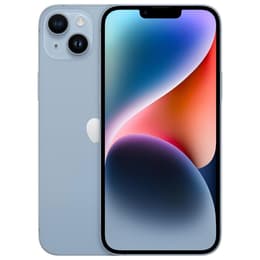
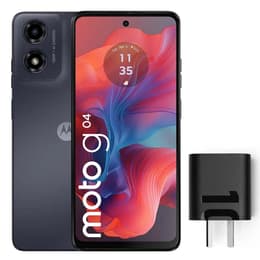
iPhone 14 Plus vs Motorola Moto G04

  • 1-year warranty
  • Free standard shipping
  • Free 30-day returns
iPhone 14 Plus
Starting at

Refurbished price:A$531.00

Versus A$1,249.00 new

See options

Differences at a glance

The Apple iPhone 14 Plus (2022) and the Motorola Moto G04 (2024) represent very different segments of the smartphone market, catering to distinct user expectations regarding features, software, and everyday capability. While the iPhone 14 Plus operates within a premium ecosystem with a large-screen format, the Motorola Moto G04 focuses on delivering essential smartphone functions through an entry-level Android experience. These devices utilize entirely different operating systems, iOS and Android respectively, shaping the overall daily interaction and software ecosystem for the user.

Available Models

Colour

Storage (GB)

Scores

Durability

When examining software longevity and hardware endurance, both devices offer different timelines for support and practical daily usage expectations over several years.

  • Software longevity: The iPhone 14 Plus benefits from an extensive software support window characteristic of its product category, receiving routine operating system updates for many years following its release. The Motorola Moto G04 operates on a lighter software maintenance schedule typical of entry-level mobile devices, receiving essential security patches for a shorter duration.
  • Repairability and durability: Both models feature solid structural integrity, though the iPhone 14 Plus incorporates weather sealing and reinforced glass protection designed to withstand everyday wear and tear. Users seeking long-term hardware durability will find both options manageable, with widespread access to repair services for common components like batteries and screens.
  • Expected lifespan: The processing architecture and internal memory configurations of the iPhone 14 Plus provide a higher ceiling for handling demanding future software updates, whereas the Motorola Moto G04 suits users with straightforward, less resource-intensive long-term usage plans.

Release year

2022

2024

Compatible with latest Update

Yes

Yes

Operating system

iOS

Android

Foldable

No

No

Performance

Internal hardware configurations dictate how each device manages daily applications, multi-window tasks, and overall energy efficiency during continuous usage.

  • Processing capabilities: The iPhone 14 Plus handles complex applications, high-end mobile gaming, and rapid multitasking smoothly without noticeable hesitation. The Motorola Moto G04 manages everyday essentials like web browsing, messaging, and media streaming adequately, though intensive gaming or heavy background tasks will test its hardware limits.
  • Memory and storage management: Storage configurations vary widely, with the iPhone offering larger baseline capacities for extensive media libraries, while the Moto G04 provides modest storage suited for cloud-based usage and light file retention. Multitasking responsiveness remains swift on the Apple device, whereas the Motorola model requires occasional app reloading when switching between numerous active programs.
  • Battery behavior: Both devices deliver reliable daily endurance, with the iPhone 14 Plus leveraging advanced power management to easily support heavy mixed usage through a full day, and the Moto G04 offering efficient energy consumption that comfortably lasts standard daily tasks on a single charge. Choosing a quality-assured refurbished option for the iPhone 14 Plus provides access to this robust performance profile while supporting sustainable technology habits.

Screen quality

Display characteristics significantly influence media consumption, reading comfort, and overall visual clarity across various lighting environments.

  • Display technology: The iPhone 14 Plus features a vibrant OLED panel delivering deep contrast levels, rich colors, and wide viewing angles. The Motorola Moto G04 utilizes an LCD screen that provides clear, legible text and standard color reproduction suitable for everyday viewing tasks.
  • Brightness and outdoor visibility: Peak brightness levels on the iPhone 14 Plus ensure content remains clearly visible under direct sunlight. The Moto G04 requires manual brightness adjustment in bright outdoor conditions to maintain comfortable readability.
  • Screen dimensions and refresh rates: Both devices offer expansive screen real estate for viewing videos and browsing documents, with smooth scrolling characteristics adapted to their respective hardware classes for daily navigation.

Resolution

1284 x 2778

720 x 1612

Screen type

Super Retina XDR OLED

IPS LCD

Audiovisual

Imaging hardware and audio reproduction capabilities define how well each smartphone captures memories and delivers multimedia playback.

  • Camera systems: The iPhone 14 Plus is equipped with a versatile multi-lens rear camera setup that excels in low-light environments, capturing sharp details and stable video footage. The Motorola Moto G04 features a single primary rear camera that performs reliably in well-lit daylight conditions for casual snapshots and basic documentation.
  • Video and audio recording: Video stabilization and microphone clarity on the iPhone 14 Plus support detailed content creation and clear voice calls. The Moto G04 handles standard video calling and simple voice recordings adequately for everyday communication needs.
  • Speaker output: Media consumption through the built-in speakers offers richer sound depth on the iPhone 14 Plus, while the Moto G04 provides functional audio output best suited for spoken-word audio, notifications, and casual listening.

Main camera

12 megapixels

16 megapixels

Front camera

12 megapixels

5 megapixels

Miscellaneous

Practical everyday attributes such as physical dimensions, connectivity standards, and biometric security shape the overall handling experience.

  • Connectivity and ports: The iPhone 14 Plus utilizes advanced 5G connectivity and fast Wi-Fi standards alongside Apple's proprietary charging port. The Moto G04 supports standard 4G connectivity and incorporates a universal USB-C port alongside a traditional headphone jack for wired audio accessories.
  • Security features: Biometric authentication on the iPhone relies on facial recognition technology for secure unlocking and payment verification. The Motorola model utilizes a side-mounted fingerprint sensor for quick and reliable access.
  • Physical dimensions: Despite both housing large displays, weight distribution and material finishes differ, with the iPhone offering a heavier, robust feel in hand, and the Moto G04 presenting a lighter construction that reduces hand fatigue during prolonged single-handed usage.

Weight

203 oz

179 oz

Screen size (in)

6,7

6.56

Network

5G

4G

SIM card

Physical SIM + eSIM

Dual Physical SIM

Carrier compatibility

Unlocked

Unlocked

Connector

Lightning

micro USB + Jack 3.5mm

What the community thinks

User feedback from online communities highlights distinct operational priorities for each device. Owners of the iPhone 14 Plus frequently praise its dependable battery life, expansive display quality, and reliable camera performance during everyday use. Conversely, users of the Motorola Moto G04 often emphasize its straightforward simplicity, lightweight build, and reliable handling of basic communication tasks without unnecessary complexity. Common discussions note that while the Apple device requires a higher initial investment, it offers broader hardware capabilities, whereas the Motorola device serves as a straightforward tool for minimal digital needs.

Users prioritizing high-resolution photography, powerful multitasking performance, and long-term software support may prefer the iPhone 14 Plus. Meanwhile, users prioritizing simple communication, lightweight handling, and essential daily functions may lean toward the Motorola Moto G04. Exploring a sustainable choice through a quality-assured refurbished option for the iPhone 14 Plus allows consumers to access premium features while minimizing environmental impact. Ultimately, the choice depends on matching individual daily workflow requirements with the core strengths of each operating system and hardware configuration.