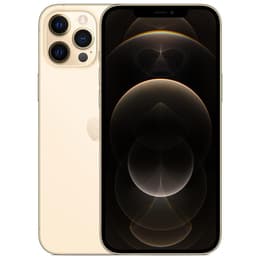

iPhone 12 Pro Max vs Nokia X30

iPhone 12 Pro Max
iPhone 12 Pro Max
Starting at

Refurbished price:A$436.00

Versus A$1,249.00 new

See options
Nokia X30
Nokia X30
Starting at

Refurbished price:A$298.00

Versus A$965.00 new

See options

The iPhone 12 Pro Max, released in November 2020, and the Nokia X30, launched in September 2022, represent distinct approaches to smartphone design and functionality. While the iPhone offers a premium iOS experience with a focus on advanced imaging and a powerful processor, the Nokia X30 provides a streamlined Android experience with an emphasis on sustainability and a balanced feature set. These devices cater to different user preferences, with the iPhone 12 Pro Max appealing to those seeking a robust ecosystem and high-end performance, and the Nokia X30 targeting users who prioritize a clean Android interface and eco-conscious design.

Scores

Durability

The longevity of a smartphone is influenced by its release timeline, software support, and physical durability.

  • Release Timeline: The iPhone 12 Pro Max was released in November 2020, making it an older device compared to the Nokia X30, which launched in September 2022. This difference in release dates impacts their respective software support cycles.
  • OS Support Duration: Apple typically provides major iOS updates for iPhones for approximately five to seven years after their release, with security updates often extending even longer. The iPhone 12 Pro Max, having launched with iOS 14, is expected to receive major iOS updates potentially until 2028-2030. The Nokia X30 launched with Android 12 and was promised three years of OS upgrades. While it has been updated to Android 14, there are recent reports suggesting that Android 15, its final promised update, might not be released.
  • Physical Durability: The iPhone 12 Pro Max features a Ceramic Shield front cover and an IP68 rating for dust and water resistance, allowing it to withstand submersion up to 6 meters for 30 minutes. The Nokia X30 incorporates Gorilla Glass Victus on its display, an aluminum frame, and a plastic back, along with an IP67 rating, protecting it from dust and submersion up to 1 meter for 30 minutes.

Release year

2020

2022

Compatible with latest Update

Yes

No

Operating system

iOS

Android

Foldable

No

No

Performance

Performance in smartphones is determined by the interplay of processing power, memory, and storage, affecting how smoothly applications run and how efficiently tasks are handled.

  • Processing Capabilities: The iPhone 12 Pro Max is equipped with a powerful processor that handles demanding applications and multitasking with considerable speed and efficiency, providing a responsive user experience. The Nokia X30 features a processor that capably manages everyday tasks and general usage, though some users have noted occasional slight lags during intensive operations.
  • Multitasking and Responsiveness: With its internal memory configuration, the iPhone 12 Pro Max offers smooth transitions between applications and maintains performance even with multiple apps running simultaneously. The Nokia X30, available with different internal memory options, provides a generally fluid experience for typical multitasking, though its performance might be less consistent under heavy loads compared to the iPhone.
  • Storage Options: The iPhone 12 Pro Max offers various internal storage capacities, providing ample space for applications, media, and files. The Nokia X30 also comes with different internal storage options, but it does not support expandable storage via a microSD card, which means users need to manage their storage carefully over time.

Memory (GB)

6 GB

8 GB

Screen quality

The display is a primary interface for smartphone interaction, with technology, resolution, and refresh rate significantly impacting the visual experience.

  • Display Technology and Clarity: The iPhone 12 Pro Max features a 6.7-inch Super Retina XDR OLED display, known for its deep blacks, high contrast, and vibrant color reproduction, offering a detailed and immersive viewing experience. The Nokia X30 comes with a 6.43-inch AMOLED display, which also delivers rich colors and good contrast, providing a clear visual output for daily use.
  • Resolution and Brightness: The iPhone 12 Pro Max has a resolution of 2778x1284 pixels at 458 pixels per inch (ppi) and can reach a peak brightness of 1200 nits, ensuring excellent visibility even in bright conditions. The Nokia X30 offers a Full HD+ resolution of 1080x2400 pixels at 409 ppi and a peak brightness of 700 nits, which is generally sufficient for indoor use but can be challenging to view under direct sunlight.
  • Refresh Rate: The iPhone 12 Pro Max features a standard refresh rate, providing a consistent visual flow. The Nokia X30, however, boasts a 90Hz refresh rate, which contributes to smoother scrolling and a more fluid feel during interactions and gaming.

Resolution

1284 x 2778

1080 x 2400

Screen type

Super Retina XDR OLED

AMOLED

Audiovisual

Camera systems are crucial for capturing moments, with differences in sensor capabilities, software processing, and video features defining the photographic experience.

  • Rear Camera System: The iPhone 12 Pro Max is equipped with a versatile triple 12-megapixel camera system, including wide, ultrawide, and telephoto lenses, along with a LiDAR scanner for improved autofocus and depth sensing. It excels in capturing detailed images across various lighting conditions and offers 2.5x optical zoom. The Nokia X30 features a dual-camera setup with a 50-megapixel main sensor with optical image stabilization (OIS) and a 13-megapixel ultrawide lens. Users have noted its strong low-light performance, though some find its HDR processing to be aggressive.
  • Video Recording Capabilities: The iPhone 12 Pro Max supports high-quality video recording, including Dolby Vision HDR, offering advanced capabilities for content creators. The Nokia X30's camera system is capable of recording video at 1080p resolution, but it does not support 4K video recording, which might be a consideration for users requiring higher resolution video.
  • Front Camera and Audio: Both devices feature capable front-facing cameras for selfies and video calls. The iPhone 12 Pro Max has a 12-megapixel front camera. The Nokia X30 includes a 16-megapixel front camera. For audio, the iPhone 12 Pro Max provides a balanced sound experience for media consumption and calls. The Nokia X30 has a single loudspeaker, and some users have expressed concerns about its audio quality, particularly at lower volumes.

Main camera

12 megapixels

50 megapixels

Front camera

12 megapixels

16 megapixels

Miscellaneous

Beyond core features, connectivity, physical design, and security mechanisms contribute significantly to the overall user experience and device practicality.

  • Connectivity and Ports: Both smartphones support 5G connectivity, enabling faster mobile data speeds. The iPhone 12 Pro Max uses the Lightning port for charging and data transfer, and supports Wi-Fi 6 and Bluetooth 5.0. The Nokia X30 features a USB-C 2.0 port, Wi-Fi 6, Bluetooth 5.1, and also includes NFC and eSIM support, offering modern connectivity options.
  • Biometric Security: The iPhone 12 Pro Max relies on Face ID for secure facial recognition. The Nokia X30 incorporates an in-display fingerprint sensor for biometric authentication.
  • Design and Handling: The iPhone 12 Pro Max has a larger and heavier build at 228 grams and dimensions of 160.8 x 78.1 x 7.4 mm, featuring flat stainless steel edges. The Nokia X30 is lighter at 185 grams and measures 158.9 x 73.9 x 7.99 mm, with an aluminum frame and a plastic back, contributing to a more compact and potentially easier-to-handle form factor for some users.

Weight

226 oz

185 oz

Screen size (in)

6,7

6.43

Network

5G

5G

SIM card

Physical SIM + eSIM

Dual Physical SIM

Carrier compatibility

Unlocked

Unlocked

The iPhone 12 Pro Max and Nokia X30 offer distinct smartphone experiences, each with its own set of strengths and considerations based on user feedback and specifications. Users often praise the iPhone 12 Pro Max for its robust performance, high-quality OLED display, and advanced camera system, particularly its video capabilities and consistent imaging results. However, some common criticisms include its weight and size, which can impact one-handed use, and occasional reports of lens flare in specific lighting conditions. Battery life, while generally good, was sometimes a point of concern for heavy users, especially with certain software versions.

The Nokia X30 is frequently commended for its vibrant AMOLED display with a smoother 90Hz refresh rate, its solid build quality with recycled materials, and its commendable low-light camera performance. On the other hand, user feedback points to some areas for improvement, such as occasional performance lags, the absence of 4K video recording, and a single loudspeaker that some find to be of limited quality. There have also been concerns regarding the consistency of software updates, with reports suggesting that the promised three years of OS upgrades might not be fully delivered.

Users prioritizing a powerful and consistently smooth experience with a highly capable camera for both photos and videos, especially within the Apple ecosystem, may find the iPhone 12 Pro Max well-suited to their needs. Those who value a clean Android experience, a focus on sustainable materials, a smoother display for everyday interactions, and strong low-light photography might lean towards the Nokia X30. Both devices offer compelling features for different user profiles. For those considering either model, exploring quality-assured refurbished options can provide an eco-friendly alternative to extend the life cycle of these devices.
See all articles

Our recent comparisons