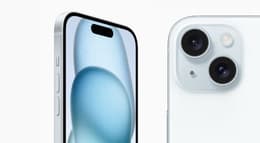
Google Pixel 7a vs iPhone 15 Plus

Google Pixel 7a
Google Pixel 7a
Starting at

Refurbished price:A$337.00

Versus A$749.00 new

See options
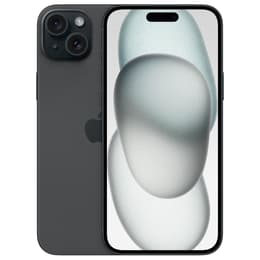
iPhone 15 Plus
iPhone 15 Plus
Starting at

Refurbished price:A$745.00

Versus A$1,399.00 new

See options

Ratings

The Google Pixel 7a, released in May 2023, and the iPhone 15 Plus, launched in September 2023, represent distinct approaches to smartphone design and functionality. While both offer advanced features for everyday use, they cater to different user preferences through their respective operating systems, Android and iOS, and their core hardware philosophies. The Pixel 7a focuses on delivering a strong Google-centric experience with advanced computational photography, whereas the iPhone 15 Plus emphasizes a larger display and robust battery performance within the Apple ecosystem.

Scores

Durability

When considering the practical lifespan of these devices, both the Google Pixel 7a and the iPhone 15 Plus offer substantial software support, though with some differences in duration and update frequency.

  • Software Longevity: The Google Pixel 7a is expected to receive OS and security updates until at least May 2028, providing a solid five years of support from its release. The iPhone 15 Plus, consistent with Apple's policy, is guaranteed a minimum of five years of software support from its supply date, with historical trends suggesting support often extends to around seven years for major iOS updates and security patches.
  • Repairability: The Pixel 7a initially received a 4/10 repairability score from iFixit, later upgraded to 5/10 after Google provided service manuals, indicating a moderate level of repair accessibility. The iPhone 15 Plus features a design that has seen improvements in repairability compared to older iPhone models, though specific scores can vary.
  • Build Durability: The Pixel 7a features a polycarbonate back, an aluminum frame, and Gorilla Glass 3 on the front, offering decent scratch resistance and surprising resilience in bend tests. The iPhone 15 Plus incorporates a Ceramic Shield front and an IP68 rating for dust and water resistance, suggesting a high level of protection against environmental elements.

Release year

2022

2023

Compatible with latest Update

Yes

Yes

Operating system

Android

iOS

Foldable

No

No

Performance

The performance of a smartphone is crucial for daily tasks, from app usage to demanding applications. Both devices offer capable hardware designed for smooth operation.

  • Everyday Responsiveness: The Google Pixel 7a, powered by its custom-designed processor, handles daily applications and multitasking with efficiency, providing a fluid user experience. The iPhone 15 Plus, with its advanced chip, delivers strong performance for a wide range of tasks, ensuring applications launch quickly and run smoothly.
  • Storage and Multitasking: The Pixel 7a comes with 8GB of RAM and 128GB of internal storage, which is suitable for most users and allows for effective multitasking. The iPhone 15 Plus offers 6GB of RAM and storage options of 128GB, 256GB, or 512GB, providing flexibility for users with varying storage needs and supporting efficient app switching.
  • Battery Behavior: The Pixel 7a has a 4385 mAh battery, with user reports indicating it generally lasts a full day with moderate use, though heavy usage might require an evening charge. The iPhone 15 Plus, with a 4383 mAh battery, is noted for its exceptional battery life, often lasting more than a full day even with heavy use, and in some tests, outperforming other models in its class.

Memory (GB)

8 GB

6 GB

Screen quality

The display is a primary interface for smartphone interaction, and both devices offer vibrant and clear viewing experiences with distinct characteristics.

  • Display Technology and Clarity: The Google Pixel 7a features a 6.1-inch OLED display with a 2400x1080 pixel resolution, providing sharp images and good color reproduction. The iPhone 15 Plus boasts a larger 6.7-inch Super Retina XDR OLED display with a 2796x1290 pixel resolution, offering excellent clarity and deep blacks.
  • Refresh Rate and Smoothness: The Pixel 7a offers a 90Hz refresh rate, contributing to smoother scrolling and a more responsive feel during navigation and gaming. The iPhone 15 Plus maintains a 60Hz refresh rate, which provides a consistent visual experience for general use.
  • Brightness and Outdoor Visibility: The Pixel 7a's display offers good brightness for indoor and outdoor viewing. The iPhone 15 Plus features an improved typical brightness of up to 1,000 nits, a peak HDR brightness of up to 1,600 nits, and a peak outdoor brightness of up to 2,000 nits, making it highly visible even in direct sunlight.

Resolution

1080 x 2400

1290 x 2796

Screen type

OLED

Super Retina XDR OLED

Audiovisual

Both smartphones are equipped with advanced camera systems designed to capture high-quality photos and videos, each with its own strengths.

  • Rear Camera Capabilities: The Google Pixel 7a features a dual-camera system with a 64MP main sensor and a 13MP ultrawide lens, known for its computational photography and strong low-light performance with Night Sight. The iPhone 15 Plus also has a dual-camera system, including a 48MP main camera with sensor-shift optical image stabilization and a 12MP ultrawide camera, capable of 2x optical-quality zoom.
  • Video Recording Quality: The Pixel 7a supports 4K video recording at 30fps and 60fps, with good stabilization, though low-light video can show some grain. The iPhone 15 Plus offers 4K Dolby Vision video recording at various frame rates (24, 25, 30, or 60 fps), providing high-quality video capture.
  • Front Camera and Audio: The Pixel 7a includes a 13MP front camera that can record 4K video, and its microphone quality is generally good for calls and recordings. The iPhone 15 Plus features a 12MP TrueDepth front camera with autofocus, and its speaker output provides a clear media consumption experience.

Main camera

64 megapixels

48 megapixels

Front camera

13 megapixels

12 megapixels

Miscellaneous

Beyond core performance and display, several practical elements contribute to the overall user experience of these devices.

  • Connectivity and Ports: Both devices support 5G, Wi-Fi 6E, and Bluetooth 5.3 for modern wireless connectivity. The Pixel 7a uses a USB-C port, while the iPhone 15 Plus also features a USB-C port, marking a transition for Apple's lineup.
  • Biometrics and Sensors: The Pixel 7a offers both Face Unlock and an under-display fingerprint sensor for secure access. The iPhone 15 Plus relies on Face ID for secure facial recognition.
  • Design and Handling: The Pixel 7a measures 152 x 72.9 x 9 mm and weighs 193.5g, offering a compact feel. The iPhone 15 Plus is larger at 160.9 x 77.8 x 7.8 mm and weighs 201g, providing a more expansive screen experience. Both devices feature aluminum frames.

Weight

212 oz

201 oz

Screen size (in)

6.1

6.7

Network

5G

5G

SIM card

Physical SIM + eSIM

Physical SIM + eSIM

Carrier compatibility

Unlocked

Unlocked

Connector

USB-C

USB-C (USB 2)

The Google Pixel 7a and iPhone 15 Plus cater to users with distinct priorities, reflecting their respective operating system ecosystems and design philosophies.

Users often praise the Pixel 7a for its exceptional camera capabilities, particularly its computational photography features like Night Sight, which consistently produce impressive photos. Its clean Android experience and timely software updates are also frequently highlighted. However, some users have noted concerns regarding battery life, especially under heavy usage, and occasional reports of the device running warm. The 90Hz display is generally appreciated for its smoothness, though some wish for higher brightness.

The iPhone 15 Plus receives significant acclaim for its outstanding battery life, often cited as one of the best among current smartphones, easily lasting a full day or more for many users. Its large, bright OLED display is also a major draw, providing an immersive viewing experience, despite its 60Hz refresh rate being a point of discussion for some who prefer higher refresh rates. Users also appreciate the consistent performance and the robust iOS ecosystem. Criticisms sometimes include the lack of a telephoto lens and the 60Hz refresh rate, which some perceive as a limitation compared to other devices.

For individuals prioritizing an advanced camera system with a focus on computational photography, a compact form factor, and a pure Android experience, the Google Pixel 7a is a well-suited option. Conversely, users who value a larger display, industry-leading battery longevity, and the established Apple ecosystem with its consistent performance will find the iPhone 15 Plus to be a strong contender. Both devices offer quality-assured refurbished options, providing an eco-friendly alternative for consumers seeking reliable technology.

See all articles

Our recent comparisons