

Compare models
Galaxy Z Fold7 vs Google Pixel 9
- 1-year warranty
- Free standard shipping
- Free 30-day returns
Differences at a glance
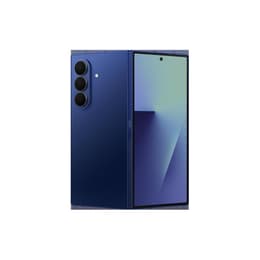
The Samsung Galaxy Z Fold7 (2025) and the Google Pixel 9 (2024) showcase two very different directions in modern mobile design, pitting a book-style foldable device against a traditional slate smartphone format. While the Galaxy Z Fold7 delivers a transforming dual-screen experience with powerful multi-window capabilities, the Google Pixel 9 focuses on streamlined everyday usability, compact handling, and intelligent software features. Both devices run on the Android operating system, yet they cater to distinct user habits through their hardware form factors. Examining their core traits helps clarify how each model fits into daily life.
Available Models
Colour
Storage (GB)
Scores
Durability
Device longevity and software support schedules dictate how long each smartphone remains secure and up-to-date for daily use.
- Release timeline and support: The Google Pixel 9 arrived in late 2024, while the Galaxy Z Fold7 launched in mid-2025, giving the Samsung model a slightly fresher position in the hardware lifecycle alongside an extended seven-year software update commitment. The Pixel 9 also benefits from long-term software support, ensuring both devices maintain relevance for years.
- Hardware resilience: The Galaxy Z Fold7 relies on a complex folding hinge mechanism and flexible internal screen that require careful handling, whereas the rigid slab design of the Pixel 9 presents fewer moving parts over time.
- Practical lifespan: Both models use robust outer glass and aluminum frames, though traditional slate phones like the Pixel 9 generally endure fewer mechanical stresses across prolonged multi-year deployment.
Release year
2025
2024
Operating system
Android
Android
Foldable
Yes
No
Performance
Processing capabilities and power management shape how smoothly each device handles intensive daily workloads and heavy software.
- Everyday speed and multitasking: The Galaxy Z Fold7 handles demanding apps, heavy mobile gaming, and simultaneous multi-window layouts smoothly with its advanced processor and generous memory configurations. The Pixel 9 manages routine tasks, social media apps, and AI-driven assistant features efficiently with its custom-tailored processor architecture.
- Storage capacity: The Galaxy Z Fold7 provides expansive tier options starting at higher baseline capacities extending up to large volumes, whereas the Pixel 9 offers standard storage tiers suited for average media libraries and apps.
- Battery behavior: The Pixel 9 features a single-cell power source designed to comfortably last through a full day of standard mixed usage. The Galaxy Z Fold7 splits its power management across a dual-battery layout to supply its larger unfolding canvas, meaning heavy utilization of the inner display requires more frequent charging.
Screen quality
Display construction represents the most fundamental point of divergence between these two devices.
- Display technology: The Galaxy Z Fold7 features a dual-screen setup comprising a wide outer screen and an expansive internal folding display, both utilizing vibrant dynamic panel technology. The Pixel 9 uses a single, rigid flat screen with sharp high-definition clarity and smooth visual rendering.
- Brightness and outdoor visibility: Both models reach high peak brightness levels that maintain legibility under bright sunlight, though the large folding surface of the Samsung device offers a tablet-like canvas for media consumption.
- Refresh rate and smoothness: Both devices support high refresh rates, ensuring fluid scrolling through web pages, system menus, and supported applications.
Resolution
1968x2184
1080 x 2424
Audiovisual
Optics and media output hardware dictate how well each phone captures memories and reproduces sound.
- Camera versatility: The Galaxy Z Fold7 incorporates a high-resolution main sensor accompanied by ultra-wide and optical zoom lenses for varied framing. The Pixel 9 uses a streamlined dual rear camera array paired with advanced computational photography software to process natural skin tones and balanced exposures automatically.
- Video and audio output: Both handsets record crisp, stable video clips suitable for personal archives and sharing. Stereo speaker setups on both devices deliver clear audio output for hands-free calling and casual video watching.
- Form factor utility: The folding design of the Galaxy Z Fold7 allows users to prop the phone upright on surfaces for tripod-free photography, while the Pixel 9 provides a classic, straightforward shooting experience.
Miscellaneous
Physical dimensions and everyday connectivity features influence how comfortable each phone feels during travel and transit.
- Build and dimensions: The Pixel 9 maintains a traditional width and thickness profile that fits easily into standard pockets and one-handed grips. The Galaxy Z Fold7 adopts a thin chassis profile when closed, but carries a wider footprint and heavier weight to accommodate its folding screen assembly.
- Connectivity standards: Both smartphones support modern 5G cellular networks, current Wi-Fi protocols, and Bluetooth standards for stable accessory pairing.
- Biometrics and ports: Each device relies on secure biometric authentication through facial recognition and responsive fingerprint sensors, utilizing reversible USB-C ports for charging and data transfer.
Weight
215 oz
198 oz
Screen size (in)
8.0
6.3
Network
5G
5G
SIM card
Dual Physical SIM + eSIM
Physical SIM + eSIM
Carrier compatibility
Unlocked
Unlocked
What the community thinks
User discussions across community forums highlight distinct preferences for each device based on daily habits. Owners of the Galaxy Z Fold7 frequently praise the expansive inner screen for productivity, split-screen multitasking, and immersive media viewing, though some note that the heavier weight and folding crease require slight adjustments. Conversely, Pixel 9 users regularly highlight the comfortable pocket-friendly ergonomics, reliable battery longevity, and dependable camera performance as major daily advantages, while occasionally noting limitations in raw processing headroom compared to specialized heavy-duty flagships.
Users who prioritize multi-window productivity, tablet-sized viewing areas, and flexible hardware will find the Galaxy Z Fold7 well-suited to their workflow. Meanwhile, users who prefer a lightweight, traditional phone design with straightforward handling and reliable everyday endurance will lean toward the Pixel 9. Exploring a quality-assured refurbished option through Back Market can also provide a sustainable choice for acquiring either device while reducing electronic waste.