
Compare models

Galaxy Z Fold7 vs Google Pixel 8a

  • 1-year warranty
  • Free standard shipping
  • Free 30-day returns
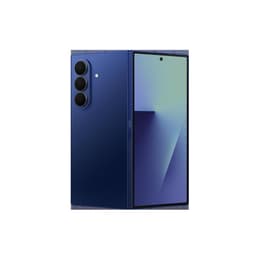
Galaxy Z Fold7
Starting at

Refurbished price:A$1,229.00

Versus A$2,499.00 new

See options
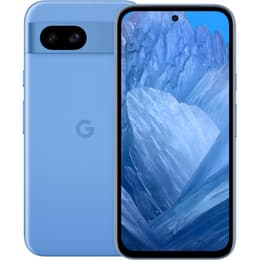
Google Pixel 8a
Starting at

Refurbished price:A$401.00

Versus A$897.00 new

See options

Differences at a glance

The Samsung Galaxy Z Fold7 (2025) and the Google Pixel 8a (2024) represent two entirely different approaches to modern smartphone design, contrasting an innovative book-style foldable device with a compact, traditional candy-bar form factor. While both run on the Android operating system and target users seeking modern mobile technology, they cater to distinctly different preferences in hardware engineering and daily usability. This comparison explores how their core specifications and practical capabilities stack up to help determine which device aligns with your daily routine.

Available Models

Colour

Storage

Scores

Durability

When examining longevity, both devices offer extensive software support windows spanning multiple years, though their hardware durability profiles differ due to their physical designs.

  • Software Support and Updates: Both manufacturers provide long-term operating system updates and security patches, ensuring that software relevance remains high across a multi-year ownership timeline.
  • Hardware and Repairability: The Google Pixel 8a features a rigid unibody construction with standard drop-resistance properties, whereas the Galaxy Z Fold7 requires careful handling around its complex folding hinge mechanism and flexible internal screen layers.
  • Expected Lifespan: Users who opt for quality-assured refurbished options from Back Market can expect reliable multi-year performance from either model, provided the foldable hardware is handled with mindfulness regarding its moving parts.

Release year

2025

2024

Operating system

Android

Android

Foldable

Yes

No

Performance

Underneath the surface, these two smartphones handle everyday multitasking and demanding system tasks through very different internal configurations.

  • App Loading and Multitasking: The Galaxy Z Fold7 handles intensive multitasking and demanding mobile games smoothly thanks to its high-tier processor and generous RAM allocations, making it well-suited for running multiple apps side by side on its expansive screen.
  • Everyday Efficiency: The Google Pixel 8a manages standard daily tasks, social media apps, and browsing efficiently with its optimized processor, though intensive graphics rendering may occasionally run at lower thresholds compared to flagship folding hardware.
  • Battery Behavior: Battery endurance varies based on usage habits, with the Pixel 8a's smaller screen drawing steady power for a standard day, while the Z Fold7's larger display configurations demand more frequent charging during heavy media consumption or multi-window sessions.

Screen quality

Display technology is one of the most significant points of divergence between these two distinct mobile form factors.

  • Display Technology and Size: The Google Pixel 8a offers a traditional 6.1-inch OLED display suited for single-handed use, while the Galaxy Z Fold7 unfolds into a tablet-sized 8-inch dynamic display complemented by an outer cover screen for quick tasks.
  • Brightness and Outdoor Clarity: Both devices deliver vibrant colors and deep contrast levels using organic light-emitting diode technology, equipped with high peak brightness modes to maintain visibility under direct sunlight.
  • Refresh Rates and Smoothness: High refresh rate support ensures fluid scrolling through web pages, system menus, and supported applications on both the folding screen and the standard compact panel.

Resolution

1968x2184

1080 x 2400

Audiovisual

Media creation and audio-visual playback capabilities reflect the differing physical footprints and market tiers of each device.

  • Camera System Versatility: The Galaxy Z Fold7 incorporates a multi-lens high-resolution camera array capable of detailed landscape and zoom photography, whereas the Pixel 8a relies on an optimized dual-lens setup paired with robust computational photography software for sharp everyday photos.
  • Low-Light and Video Performance: Both smartphones capture clear low-light images and stable video recordings, utilizing software stabilization to reduce jitter during hand-held recording sessions.
  • Media and Audio Output: Stereo speaker setups on both models deliver clear sound for hands-free calls and casual video viewing, though the Z Fold7 provides a more immersive cinematic experience when unfolded into landscape orientation.

Miscellaneous

Practical daily usability is shaped by physical dimensions, connectivity standards, and sensor hardware.

  • Handling and Portability: The Pixel 8a provides a lightweight, pocket-friendly footprint that is easy to manage with one hand, whereas the Z Fold7 offers a relatively slim profile when closed but carries extra weight and thickness due to its folding architecture.
  • Connectivity and Ports: Both models support modern 5G cellular networks, high-speed Wi-Fi standards, and Bluetooth connectivity, utilizing reversible USB-C ports for charging and data transfer.
  • Security and Biometrics: Secure authentication is handled via responsive fingerprint sensors and facial recognition features integrated into the physical body or display glass of each respective device.

Weight

215 oz

188 oz

Screen size (in)

8.0

6.1

Network

5G

5G

SIM card

Dual Physical SIM + eSIM

Physical SIM + eSIM

Carrier compatibility

Unlocked

Unlocked

What the community thinks

User feedback from online communities highlights distinct preferences for each device. Owners of the Google Pixel 8a frequently praise its comfortable pocket-sized ergonomics, reliable everyday camera performance, and straightforward software experience. Conversely, Galaxy Z Fold7 users often emphasize the productivity benefits of the large unfolding display and the versatility of having a tablet-sized workspace in a pocketable device. At the same time, some users note that folding screens require extra care during handling, and others mention that traditional candy-bar phones are simpler to operate one-handed.

Users prioritizing a lightweight, traditional phone design with straightforward handling will find the Pixel 8a well-suited to their daily routines. Meanwhile, users who value multitasking workspace, split-screen productivity, and an expanding display format may lean toward the Galaxy Z Fold7. Exploring a quality-assured refurbished option through Back Market provides a sustainable path toward acquiring either device while reducing electronic waste. Ultimately, the choice depends entirely on whether your workflow benefits more from a classic compact smartphone or an innovative folding display.