
Galaxy Z Fold4 vs Google Pixel 8a

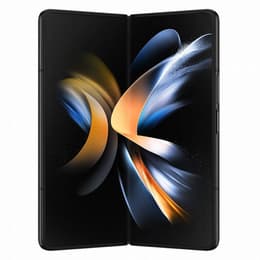
Galaxy Z Fold4
Galaxy Z Fold4
Starting at

Refurbished price:A$734.00

Versus A$3,628.00 new

See options
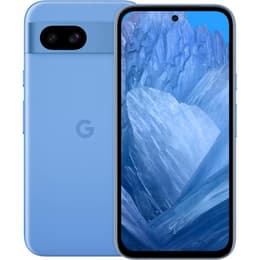
Google Pixel 8a
Google Pixel 8a
Starting at

Refurbished price:A$464.00

Versus A$938.69 new

See options

Ratings

The Samsung Galaxy Z Fold4, released in August 2022, and the Google Pixel 8a, launched in May 2024, represent distinct approaches to the modern smartphone. The Z Fold4 offers a unique foldable design that transforms from a traditional smartphone into a larger tablet-like display, while the Pixel 8a provides a more conventional smartphone experience with a focus on Google's software and artificial intelligence features. Both devices run on the Android operating system, but their form factors and core philosophies cater to different user preferences.

Scores

Durability

The expected practical lifespan of a smartphone is influenced by its physical durability and the duration of software support it receives.

  • Release Timeline and Age: The Galaxy Z Fold4 was released in August 2022, making it an older model compared to the Pixel 8a, which launched in May 2024. This difference in release dates impacts their respective software support windows.
  • OS Support Duration: The Pixel 8a offers an extended software support period, promising seven years of OS updates, security upgrades, and feature drops from its release date, effectively covering it until at least 2031. The Galaxy Z Fold4 typically receives four generations of Android OS updates and five years of security updates.
  • Physical Durability: The Galaxy Z Fold4 features an IPX8 water resistance rating and Gorilla Glass Victus+ on its cover screen, along with an Armor Aluminum frame, designed to protect its foldable nature. The Pixel 8a has an IP67 dust and water resistance rating and Gorilla Glass 3 protection for its display. The foldable design of the Z Fold4 introduces a hinge mechanism, which is a point of mechanical complexity not present in the rigid design of the Pixel 8a.

Release year

2022

2024

Compatible with latest Update

Yes

Yes

Operating system

Android

Android

Foldable

Yes

No

Performance

Performance in both devices is designed to handle daily tasks efficiently, though their underlying hardware differs to suit their respective designs and intended uses.

  • Processor Capabilities: The Galaxy Z Fold4 is equipped with a processor that handles demanding applications and multitasking smoothly, providing a responsive experience for power users and those who frequently switch between apps. The Pixel 8a features a processor that ensures smooth operation for everyday tasks, app loading, and general system responsiveness, with a focus on optimizing Google's AI features.
  • RAM and Multitasking: The Galaxy Z Fold4 comes with 12GB of RAM, which allows for extensive multitasking and seamless transitions between numerous open applications, particularly beneficial when utilizing its larger internal display. The Pixel 8a includes 8GB of RAM, providing sufficient capacity for typical smartphone multitasking and ensuring a fluid user experience.
  • Battery Behavior: The Galaxy Z Fold4 has a 4400 mAh battery, which, despite its large screens, is reported by users to last through a full day of moderate to heavy use, benefiting from power-efficient display technology and processor optimization. The Pixel 8a, with a 4492 mAh battery, is also designed to comfortably last a full day for most users, with some reports indicating it can extend to two days with lighter usage.

Memory (GB)

12 GB

8 GB

Screen quality

The display experience is a primary differentiator between these two smartphones, offering distinct visual and interactive characteristics.

  • Display Technology and Size: The Galaxy Z Fold4 features a unique foldable design with a 7.6-inch Dynamic AMOLED 2X main display when unfolded, and a 6.2-inch Dynamic AMOLED 2X cover screen. This allows for a versatile viewing experience, from a compact phone to a larger tablet-like interface. The Pixel 8a has a single 6.1-inch OLED display, providing a traditional smartphone screen size.
  • Resolution and Clarity: The Z Fold4's main display offers a resolution of 2176 x 1812 pixels, providing a sharp and detailed image on its expansive surface. The Pixel 8a features a 1080 x 2400 pixel resolution, delivering clear visuals for its screen size.
  • Brightness and Refresh Rate: Both devices offer smooth scrolling and responsive interactions with 120Hz refresh rates. The Pixel 8a's display can reach a peak brightness of up to 2000 nits, making it suitable for outdoor visibility.

Resolution

1812 x 2176

1080 x 2400

Screen type

Foldable Dynamic AMOLED 2X

OLED

Audiovisual

Both smartphones offer capable camera systems, but they are optimized for different user priorities and photographic styles.

  • Rear Camera System: The Galaxy Z Fold4 features a versatile triple-camera setup on the rear, including a 50MP main sensor, a 12MP ultrawide lens, and a 10MP telephoto lens with 3x optical zoom. This configuration provides flexibility for various shooting scenarios, from wide landscapes to zoomed-in subjects. The Pixel 8a comes with a dual-camera system, featuring a 64MP main camera with optical image stabilization and a 13MP ultrawide camera.
  • Photography Performance: The Z Fold4's main camera is noted for capturing detailed and vibrant images in good lighting, with improved low-light performance compared to its predecessor. The Pixel 8a is praised for its reliable point-and-shoot photography, producing images with balanced colors and good detail across various lighting conditions, including effective low-light performance thanks to its processing capabilities.
  • Video Recording and Front Cameras: Both devices are capable of recording high-quality video. The Z Fold4 includes a 10MP cover camera and a 4MP under-display camera on the main screen, primarily for video calls. The Pixel 8a features a 13MP front-facing camera, delivering high-quality selfies and video.

Main camera

50 megapixels

64 megapixels

Front camera

4 megapixels

13 megapixels

Miscellaneous

Beyond core features, several practical elements contribute to the overall user experience and differentiate these devices.

  • Form Factor and Handling: The Galaxy Z Fold4's defining characteristic is its foldable design, offering a compact phone when closed and expanding into a larger screen for productivity and media consumption. This design results in a thicker and heavier device when folded (15.8mm thick, 263g) compared to the Pixel 8a. The Pixel 8a maintains a traditional smartphone form factor, making it lighter (188g) and thinner (8.9mm) for single-handed use and pocketability.
  • Connectivity and Ports: Both devices support 5G connectivity, Wi-Fi 6E, and Bluetooth for modern wireless communication. The Galaxy Z Fold4 uses a USB-C 3.2 port, while the Pixel 8a also features a USB-C port. Neither device includes a traditional 3.5mm headphone jack.
  • Security and Additional Features: The Galaxy Z Fold4 incorporates a side-mounted fingerprint sensor for secure unlocking. The Pixel 8a utilizes an in-display fingerprint sensor and also offers face recognition. The Z Fold4 also supports S Pen functionality (Fold Edition), enhancing its utility for note-taking and drawing on the larger display.

Weight

263 oz

188 oz

Screen size (in)

7.6

6.1

Network

5G

5G

SIM card

Physical SIM + eSIM

Physical SIM + eSIM

Carrier compatibility

Unlocked

Unlocked

The Galaxy Z Fold4 and Google Pixel 8a cater to distinct user needs, each excelling in different areas based on their design and feature sets.

Users frequently praise the Galaxy Z Fold4 for its innovative foldable display, which offers a unique blend of smartphone portability and tablet-like screen real estate for multitasking and media consumption. Its robust performance and versatile camera system are also commonly highlighted. Some users, however, note the device's weight and thickness when folded as a potential drawback. The Pixel 8a receives commendation for its consistent camera performance, especially in everyday shooting and low-light conditions, and its extended software support policy. Its overall smooth performance for daily use and optimized AI features are also frequently mentioned as positive aspects. Some criticisms occasionally point to its charging speed not being the fastest available.

Users prioritizing a large, adaptable screen for productivity, immersive media, and a unique form factor may find the Galaxy Z Fold4 well-suited to their needs. Those who value a reliable camera experience, long-term software support, and a compact, traditional smartphone design with strong AI integration will likely lean towards the Google Pixel 8a. Both devices offer compelling experiences, and considering a quality-assured refurbished option for either model can be an eco-friendly alternative to purchasing new.
See all articles

Our recent comparisons