
Compare models
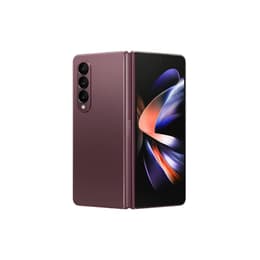
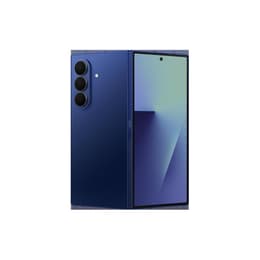
Galaxy Z Fold4 vs Galaxy Z Fold7
- 1-year warranty
- Free standard shipping
- Free 30-day returns
Differences at a glance
The Samsung Galaxy Z Fold4 (2022) and Galaxy Z Fold7 (2025) represent significant evolutionary steps in foldable smartphone engineering. Both devices feature a unique book-style folding design that transforms a standard smartphone into a tablet-sized workspace, yet they introduce distinct differences in their internal hardware, display engineering, and physical dimensions. While they both operate on the Android platform with Samsung's custom interface, the newer model benefits from several generations of refinement in durability, processing efficiency, and camera capabilities.
Choosing between these two foldable devices involves weighing the physical refinements and internal advancements of a newer generation against the foundational folding experience established by its predecessor. This comparison outlines the practical differences in daily usage, hardware capabilities, and long-term utility to help you determine which model fits your specific needs.
Available Models
Colour
Storage (GB)
Scores
Durability
When evaluating the long-term usability and update longevity of foldable devices, hardware durability and software support windows play crucial roles in determining overall lifespan.
- Software Support Timeline: The Galaxy Z Fold7 benefits from a more recent release year, granting it a longer remaining window of official operating system updates and security patches compared to the Galaxy Z Fold4.
- Hinge and Fold Mechanism: The Galaxy Z Fold7 incorporates updated hinge engineering and materials designed to reduce crease visibility and improve long-term mechanical resilience through thousands of daily folding cycles.
- Repairability and Build Structure: Both models feature complex multi-layer screen assemblies that require specialized service procedures, though the newer model utilizes reinforced outer glass and improved internal framing for enhanced structural integrity over years of regular use.
Release year
2022
2025
Operating system
Android
Android
Foldable
Yes
Yes
Performance
Performance capabilities dictate how smoothly each device handles demanding applications, everyday multitasking, and battery longevity under sustained workloads.
- Multitasking and App Responsiveness: The Galaxy Z Fold7 delivers faster app loading times and smoother graphic rendering across multiple split-screen windows, thanks to its current-generation processor and increased memory bandwidth.
- Battery Behavior: Both devices manage daily energy consumption differently, with the Galaxy Z Fold7 offering improved energy efficiency that helps maintain battery life through a full day of mixed smartphone and tablet usage.
- Storage Configurations: Both models provide ample internal storage options to accommodate large media libraries, offline documents, and heavy applications without performance degradation.
Screen quality
The dual-screen configuration is the defining characteristic of both smartphones, featuring an external cover screen for quick tasks and a large internal folding screen for immersive viewing.
- Display Technology and Brightness: Both models utilize vibrant OLED panels that deliver deep blacks and high contrast, though the Galaxy Z Fold7 features higher peak brightness levels for improved outdoor visibility under direct sunlight.
- Screen Dimensions and Aspect Ratios: The Galaxy Z Fold7 refines the outer cover screen proportions to feel more like a traditional smartphone when folded, whereas the Galaxy Z Fold4 features a narrower outer display footprint.
- Refresh Rate and Fluidity: Both devices support high refresh rates for fluid scrolling and responsive touch interactions, with adaptive technology that adjusts smoothness based on the active content.
Resolution
1812 x 2176
1968x2184
Audiovisual
Camera systems on foldable devices offer versatile shooting angles, allowing for traditional photography as well as unique creative setups utilizing the folding mechanism.
- Primary and Secondary Sensors: The Galaxy Z Fold7 incorporates higher-resolution main and ultra-wide camera sensors alongside improved image processing algorithms for sharper detail and color accuracy.
- Low-Light and Zoom Photography: Both devices capture clear images in challenging lighting conditions, though the newer model yields cleaner low-light results with reduced digital noise and faster focus acquisition.
- Video and Audio Output: Video recording on both devices benefits from advanced stabilization features, while stereo speakers deliver balanced media consumption audio for videos, calls, and gaming.
Miscellaneous
Physical dimensions, connectivity standards, and daily handling characteristics dictate how comfortably these folding devices integrate into a mobile lifestyle.
- Dimensions and Weight: The Galaxy Z Fold7 is noticeably thinner and lighter than the Galaxy Z Fold4, resulting in a more comfortable pocket profile and reduced hand fatigue during extended one-handed use on the cover screen.
- Connectivity Standards: Both devices support modern 5G networks, fast Wi-Fi protocols, and Bluetooth standards, ensuring reliable wireless pairing with accessories and fast data transfer speeds.
- Biometrics and Authentication: Both models utilize side-mounted fingerprint sensors integrated into the power button alongside facial recognition options for secure and fast device unlocking.
Weight
263 oz
215 oz
Screen size (in)
7.6
8.0
Network
5G
5G
SIM card
Physical SIM + eSIM
Dual Physical SIM + eSIM
Carrier compatibility
Unlocked
Unlocked
What the community thinks
Users prioritizing a thinner physical profile, improved outdoor screen visibility, and long-term software support will find the Galaxy Z Fold7 well-suited to their daily routines. Conversely, users who are comfortable with an established folding format and focus primarily on core productivity tasks may find the Galaxy Z Fold4 meets their requirements effectively. Community discussions frequently highlight the Galaxy Z Fold7's more natural cover screen width and reduced weight as major ergonomic advantages, while the Galaxy Z Fold4 remains recognized for delivering core multitasking capabilities at a different stage of its lifecycle. For those looking at sustainable purchasing decisions, opting for a quality-assured refurbished option provides a practical way to acquire these advanced devices while supporting eco-friendly alternatives. Ultimately, your choice depends on whether physical refinement and extended longevity take priority in your mobile experience.