Compare models
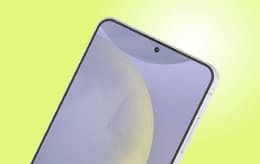
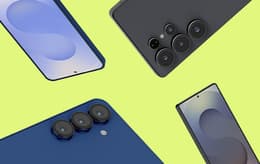
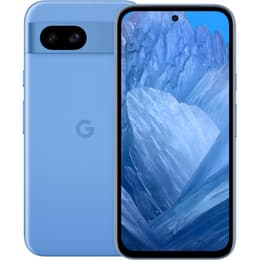
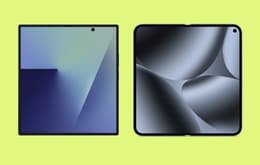
Galaxy Z Flip7 vs Google Pixel 8a
- 1-year warranty
- Free standard shipping
- Free 30-day returns
Differences at a glance
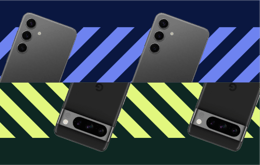
The Samsung Galaxy Z Flip7 (2025) and the Google Pixel 8a (2024) represent two distinct approaches to modern smartphone engineering, pairing a clamshell foldable design with a traditional candy-bar form factor respectively. While they share contemporary operating systems and robust software support structures, they cater to fundamentally different hardware preferences. Choosing between them involves weighing the compact versatility of a folding screen against the familiar simplicity of a standard device.
Available Models
Colour
Storage
Scores
Durability
Both devices are designed to receive extended software support and regular updates, though their hardware lifespans differ due to their structural designs.
- Update schedules: Both manufacturers provide long-term software support commitments, ensuring the operating system and security patches remain current for several years from release.
- Hardware durability: The Google Pixel 8a utilizes a traditional rigid slate build with standard glass and an aluminum frame, whereas the Galaxy Z Flip7 features a foldable internal screen and a complex hinge mechanism that requires careful handling over extended periods.
- Repairability: Traditional slate phones like the Pixel 8a generally offer simpler paths for standard component replacements, while folding displays involve specialized maintenance processes.
Release year
2025
2024
Operating system
Android
Android
Foldable
Yes
No
Performance
System responsiveness and daily multitasking capabilities vary across these models based on internal hardware configuration and software optimization.
- Multitasking and storage: Both handsets handle everyday tasks, web browsing, and app switching smoothly, with multiple storage tiers available to accommodate media and document libraries.
- Battery behavior: The Galaxy Z Flip7 features a split-cell battery design adapted for a folding chassis, whereas the Pixel 8a houses a traditional single-cell battery that typically provides consistent day-long usage for standard workflows.
- App execution: Current-generation processors on both sides manage routine productivity applications, streaming, and moderate gaming without noticeable hesitation.
Screen quality
The viewing experience stands as a primary differentiator, contrasting a flexible folding panel with a conventional flat display.
- Display technology: The Galaxy Z Flip7 deploys a large, folding organic light-emitting diode main panel alongside an expanded outer cover screen for quick interactions, while the Pixel 8a uses a compact, fixed organic light-emitting diode screen with balanced bezels.
- Brightness and outdoor use: Both panels offer high peak brightness levels, ensuring readability and sharp contrast even under direct sunlight.
- Refresh rates: Both devices support smooth high refresh rate capabilities, contributing to fluid scrolling through web pages and system menus.
Resolution
1080x2520
1080 x 2400
Audiovisual
Optics and media consumption hardware cater to different photography habits and multimedia preferences.
- Camera systems: The Pixel 8a relies on computational photography algorithms paired with dual rear sensors to produce balanced everyday photos, while the Galaxy Z Flip7 utilizes its folding form factor to enable unique angles and hands-free framing.
- Video and audio: Both handsets record high-resolution video with stable electronic stabilization, and feature stereo speakers capable of clear dialogue delivery during calls and media playback.
- Low-light performance: Advanced processing software on both models helps preserve detail and manage noise in dimly lit environments.
Miscellaneous
Physical dimensions, connectivity standards, and daily usability features shape how each device fits into travel and mobile routines.
- Form factor and handling: The Galaxy Z Flip7 folds in half to occupy minimal pocket space, whereas the Pixel 8a maintains a standard candy-bar footprint that feels familiar in one hand.
- Connectivity: Both models support modern 5G cellular networks, Wi-Fi standards, and Bluetooth pairing for wireless accessories.
- Security sensors: Each phone incorporates biometric authentication methods, utilizing fingerprint recognition and facial scanning to secure personal data.
Weight
188 oz
188 oz
Screen size (in)
6.9
6.1
Network
5G
5G
SIM card
Physical SIM + eSIM
Physical SIM + eSIM
Carrier compatibility
Unlocked
Unlocked
What the community thinks
User feedback highlights distinct preferences for each device depending on daily workflow habits and form-factor desires. Owners of the Galaxy Z Flip7 frequently praise the convenience of the compact folded size and the utility of the outer cover screen for managing notifications on the go, though some note that the central crease on the folding display remains visible under certain lighting angles. Conversely, users of the Google Pixel 8a appreciate its straightforward ergonomics, reliable battery longevity, and dependable camera performance, while occasionally mentioning that the surrounding bezels appear larger compared to higher-tier models.
Users who prioritize pocketability and a novel folding experience may prefer the Galaxy Z Flip7, while users who favor a conventional layout, simpler maintenance, and a traditional rigid build will find the Google Pixel 8a well-suited to their needs. Exploring a quality-assured refurbished option through Back Market can also provide an eco-friendly alternative for acquiring either device while supporting sustainable electronics consumption.