
Compare models
Galaxy Z Flip6 vs Galaxy Z Fold7
- 1-year warranty
- Free standard shipping
- Free 30-day returns
Differences at a glance
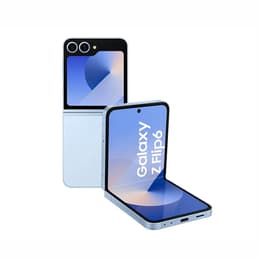
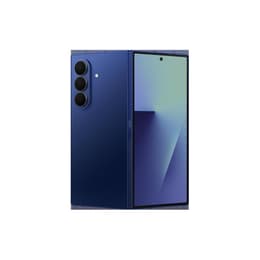
The Samsung Galaxy Z Flip6 (2024) and the Samsung Galaxy Z Fold7 (2025) represent two distinct visions of foldable smartphone technology, catering to very different daily habits. While the Galaxy Z Flip6 uses a compact, pocket-friendly clamshell design, the Galaxy Z Fold7 opens horizontally into a tablet-sized workspace. Both devices run on the Android operating system paired with Samsung's custom interface, yet they offer unique hardware form factors that shape everything from portability to productivity.
Available Models
Colour
Storage (GB)
Scores
Durability
Choosing between these two foldable devices involves evaluating release timelines, software update commitments, and the physical durability inherent to their respective hinge designs. Both models benefit from long-term software support, though their launch years dictate their overall position in the software lifecycle.
- Software Support: Both devices receive multi-year operating system updates and security patches, with the newer model providing an extended support window due to its later release date.
- Hinge and Physical Endurance: Each model incorporates reinforced folding mechanisms and water-resistant builds, though folding screens require careful handling over years of daily opening and closing.
- Practical Longevity: Users can expect extended daily usability from both options, making quality-assured refurbished choices a sustainable alternative that extends device life cycles without compromising on support.
Release year
2024
2025
Operating system
Android
Android
Foldable
Yes
Yes
Performance
Daily operation and speed across these models reflect their generation-defining hardware, ensuring that both handle intensive daily demands smoothly. Storage configurations vary across tiers, allowing users to select capacities that fit their file storage needs.
- App Loading and Multitasking: Both smartphones launch demanding applications quickly and transition between multiple open windows without noticeable stutter.
- Battery Behavior: The clamshell model relies on a compact battery that generally lasts through a standard daily routine of mixed use, whereas the larger tablet-style device accommodates a higher-capacity power source to support its expansive screens.
- System Responsiveness: Advanced internal processing architectures maintain fluid animations and responsive touch feedback whether handling casual browsing or graphic-heavy tasks.
Screen quality
Display configurations define the core identity of each device, presenting users with contrasting visual layouts designed for specific viewing preferences. Both utilize vibrant organic light-emitting diode technology to deliver deep contrast and clear outdoor visibility.
- Display Layouts: The Galaxy Z Flip6 features a standard smartphone screen when unfolded alongside a compact outer cover display, while the Galaxy Z Fold7 expands into a massive tablet-sized inner canvas accompanied by a wider, more usable outer screen.
- Brightness and Clarity: High peak brightness levels ensure text and images remain legible under direct sunlight on both devices.
- Refresh Rate: Smooth scrolling and fluid motion are standard across all panels, enhancing reading and media consumption experiences.
Resolution
1080 x 2640
1968x2184
Audiovisual
Photography and media capabilities differ based on the physical space available for camera hardware and the unique shooting angles enabled by each folding form factor. Both options provide versatile imaging tools for everyday snapshots and video recording.
- Camera Systems: The Galaxy Z Flip6 features a dual-camera setup suited for general photography and creative self-portraits, while the Galaxy Z Fold7 incorporates an expanded triple-lens configuration that includes higher-resolution sensors for detailed capture.
- Video and Audio: High-definition video recording, clear microphone input for calls, and balanced stereo speakers ensure reliable multimedia performance on both handsets.
- Shooting Versatility: The folding designs allow users to prop the phones up at various angles on flat surfaces, enabling stable hands-free photography and video viewing.
Miscellaneous
Practical daily usability is shaped by physical dimensions, connectivity standards, and biometric security features built into each chassis. Handling characteristics change significantly depending on whether the phone is folded or open.
- Dimensions and Handling: The Galaxy Z Flip6 folds down into a square profile that slips easily into small pockets, whereas the Galaxy Z Fold7 offers a slim profile when closed that opens into a broad handheld workspace.
- Connectivity: Both models support modern fifth-generation mobile networks, fast Wi-Fi standards, and secure facial recognition alongside fingerprint scanning.
- Build Materials: Sturdy aluminum frames and tough protective glass exterior panels provide reliable resistance against everyday wear and tear.
Weight
187 oz
215 oz
Screen size (in)
6.7
8.0
Network
5G
5G
SIM card
Physical SIM + eSIM
Dual Physical SIM + eSIM
Carrier compatibility
Unlocked
Unlocked
What the community thinks
User discussions across community forums highlight distinct preferences for each foldable approach. Owners of the Galaxy Z Flip6 frequently praise its compact pocket footprint and versatile tabletop camera angles, though some note that heavy use requires a midday charge. Conversely, users of the Galaxy Z Fold7 appreciate the expansive inner screen for multitasking and document reading, though others mention the heavier weight and wider profile when carried in a pocket. Users prioritizing pocketability and a traditional phone footprint when closed will find the Galaxy Z Flip6 well-suited to their daily routine. Meanwhile, users prioritizing maximum screen workspace for productivity and media consumption may lean toward the Galaxy Z Fold7. Exploring a quality-assured refurbished option provides an eco-friendly path to experiencing either of these innovative form factors while supporting sustainable technology choices.