
Smartphones
Compare models
Differences at a glance
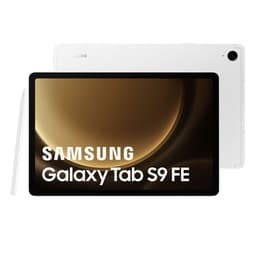
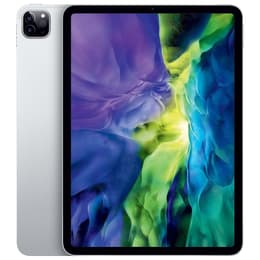
The Samsung Galaxy Tab S9 FE, released in 2023, and the Apple iPad Pro 2020, represent distinct approaches to the tablet experience. While both devices offer robust platforms for productivity and entertainment, they differ significantly in their operating systems, display technologies, and overall performance capabilities. The Galaxy Tab S9 FE runs on Android with Samsung's One UI, while the iPad Pro 2020 operates on Apple's iPadOS.
Colour
Storage
When considering the long-term usability of these tablets, their release timelines and software support policies are key factors. The Galaxy Tab S9 FE is a more recent device, launched in 2023, giving it an inherent advantage in terms of future software updates compared to the iPad Pro 2020, which was released in March 2020. [9, 12]
Release year
Compatible with latest Update
Operating system
The performance of a tablet is crucial for handling applications, multitasking, and general responsiveness. These two devices offer different levels of processing power and memory configurations.
The visual experience on a tablet is largely defined by its display, and these two devices offer distinct screen technologies and characteristics.
Resolution
Screen type
Pixel density
While tablets are not typically primary photography devices, their camera systems are important for video calls, document scanning, and occasional photo capture. These two tablets offer different camera configurations.
Beyond core performance and display, several practical elements contribute to the overall user experience of these tablets.
Weight
Screen size (in)
Network
Carrier compatibility
The choice between the Samsung Galaxy Tab S9 FE (2023) and the Apple iPad Pro 2020 depends heavily on individual user priorities and ecosystem preferences. Both tablets are highly capable, but they cater to slightly different needs and expectations.
Users frequently praise the iPad Pro 2020 for its exceptional performance, particularly for demanding applications and creative workflows, thanks to its powerful processor and optimised iPadOS. [1, 2] Its 120Hz ProMotion display is also a consistent highlight, offering an incredibly smooth visual experience. [2, 13] However, some users have noted that the battery life, while good, can drain faster with intensive use, and its repairability is generally considered low. [2, 20, 34] The camera system, while advanced for a tablet, is often seen as secondary to its productivity features. [16]
The Galaxy Tab S9 FE, being a more recent release, is often lauded for its included S Pen, which adds significant value for note-taking and drawing without an additional purchase. [8, 23] Its IP68 water and dust resistance is a practical advantage, offering peace of mind for use in various environments. [8, 23] Users appreciate its vibrant 90Hz LCD display and solid battery life for everyday tasks and media consumption. [7, 8, 19] Criticisms sometimes point to its performance not matching flagship tablets for very heavy gaming or professional-grade video editing, and its USB 2.0 port speed is a limitation for large file transfers. [7, 19]
Users prioritizing raw processing power, a highly fluid display for professional creative work, and a wide selection of tablet-optimised applications within the Apple ecosystem may find the iPad Pro 2020 well-suited to their needs. Conversely, users who value an included stylus, expandable storage, an IP-rated durable design, and the flexibility of the Android ecosystem will likely lean towards the Galaxy Tab S9 FE. For those seeking a quality-assured refurbished option, both devices can be found, offering an eco-friendly alternative to purchasing new. Ultimately, the decision hinges on whether a user's workflow and preferences align more with the high-performance, premium display of the iPad Pro 2020 or the practical features, included stylus, and Android versatility of the Galaxy Tab S9 FE.