
Compare models

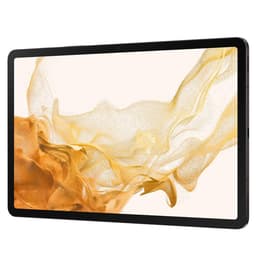
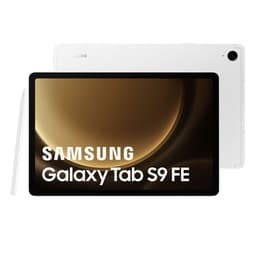
Galaxy Tab S8+ (12.4", 2022) vs Galaxy Tab S9 FE (10.9", 2023)

  • 1-year warranty
  • Free standard shipping
  • Free 30-day returns

Differences at a glance

The Samsung Galaxy Tab S8+ (2022) and the Galaxy Tab S9 FE (2023) represent two distinct approaches to mid-to-high-tier Android tablet design, offering users versatile screen sizes and productivity features. While the Tab S8+ positions itself as a larger, performance-oriented multimedia device with a premium display layout, the Tab S9 FE arrives as a slightly later alternative focused on balanced everyday utility and streamlined multitasking. Both tablets run on the Android operating system with Samsung's customized interface, though they differ significantly in their physical footprints and underlying hardware capabilities.

Scores

Durability

When examining longevity and software support, both devices offer robust multi-year update paths, though their release schedules place them at slightly different stages of their lifecycle.

  • Software Support: Both tablets receive regular security patches and operating system updates from Samsung, with the newer release benefiting from an extended support window that stretches slightly further into the future.
  • Build Integrity: Both models feature durable aluminum frames designed to withstand daily transport, with the Tab S9 FE introducing an official water and dust resistance rating that matches higher-end slate models.
  • Expected Lifespan: Users can expect several years of reliable daily performance from either option, making quality-assured refurbished options a sustainable choice for long-term productivity and media consumption.

Release year

2022

2023

Compatible with latest Update

Yes

Yes

Operating system

Android

Android

Performance

System responsiveness and everyday utility vary notably between these two tablets due to their different internal hardware configurations and multitasking implementations.

  • Processing Power: The Galaxy Tab S8+ handles demanding creative applications, heavy gaming, and split-screen multitasking with greater speed, whereas the Tab S9 FE manages everyday browsing, document editing, and video streaming smoothly without excess strain.
  • Memory and Storage: Both models provide flexible configurations for file storage, though the Tab S8+ typically pairs higher RAM options that maintain active background apps more effectively during heavy workflows.
  • Battery Behavior: Battery endurance is comparable across typical daily use cycles, though intensive gaming or continuous high-brightness media playback will draw down power more rapidly on the larger screen of the Tab S8+.

Screen quality

Display technology is one of the most prominent differentiating factors between these two devices, affecting everything from movie viewing to digital note-taking.

  • Display Technology: The Galaxy Tab S8+ utilizes an OLED panel delivering deep black levels and vibrant contrast, while the Tab S9 FE employs an LCD panel that provides clean, bright visuals with accurate color reproduction.
  • Physical Dimensions: The Tab S8+ offers a spacious 12.4-inch viewing canvas well-suited for side-by-side app windows, whereas the Tab S9 FE features a more compact 10.9-inch screen that improves one-handed portability.
  • Refresh Rate and Smoothness: Both screens support high refresh rates, ensuring that scrolling through web pages and writing with the included stylus feel fluid and responsive.

Resolution

1752 x 2800

1440 x 2304

Screen type

Super AMOLED

IPS LCD

Pixel density

270ppp

250ppp

Audiovisual

Multimedia and capture capabilities cater to casual documentation and video communication rather than professional photography.

  • Camera Systems: The Tab S8+ includes a dual-camera array on the rear alongside an ultra-wide front sensor, while the Tab S9 FE relies on a single rear sensor and a standard front-facing lens optimized for video meetings.
  • Video Calls: Both tablets place their front cameras along the landscape edge, ensuring natural eye contact during virtual conferences and online classes.
  • Audio Output: Multi-speaker setups tuned by acoustic specialists deliver clear sound separation for movies and music, though the larger chassis of the Tab S8+ allows for slightly broader acoustic resonance.

Miscellaneous

Practical physical traits and connectivity standards shape how these devices integrate into travel bags and daily routines.

  • Connectivity and Ports: Both models support fast wireless standards and feature USB-C ports for charging and data transfer, alongside magnetic backing strips to secure and charge the bundled stylus.
  • Biometrics: The Tab S8+ integrates an optical fingerprint sensor beneath the display glass, whereas the Tab S9 FE uses a physical fingerprint reader embedded in the power button.
  • Portability: The lighter and smaller footprint of the Tab S9 FE favors frequent travelers and students carrying books, while the expansive workspace of the Tab S8+ suits desk-bound multitasking.

Weight

567 oz

129 oz

Screen size (in)

12.4

10.9

Network

Wi-Fi

Wi-Fi

Carrier compatibility

Without SIM Port

Unlocked

Connector

USB Type-C

USB Type-C

What the community thinks

User community discussions on platforms like Reddit highlight distinct preferences for each device based on real-world usage patterns. Owners of the Galaxy Tab S8+ frequently praise its expansive display quality and fluid multitasking capabilities, though some note that its larger size makes it slightly unwieldy for casual reading in portrait mode. Conversely, users of the Galaxy Tab S9 FE appreciate its reliable battery endurance and manageable physical proportions, though a segment of users point out that the LCD screen lacks the deep contrast ratios found on more expensive panel types.

When deciding between the two, users prioritizing an expansive canvas for media consumption and heavy creative tasks may prefer the Galaxy Tab S8+. Meanwhile, users prioritizing a more compact footprint for portable note-taking and daily web browsing will lean toward the Galaxy Tab S9 FE. Choosing an eco-friendly alternative through a quality-assured refurbished option provides access to either device while supporting sustainable consumption habits. Ultimately, the right choice depends entirely on whether physical compactness or maximum screen space aligns better with your daily routine.


Our recent comparisons