Galaxy S25 vs Nokia G22

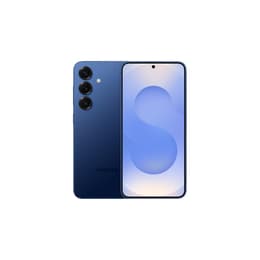
Galaxy S25
Galaxy S25
Starting at

Refurbished price:A$855.00

Versus A$1,399.00 new

See options
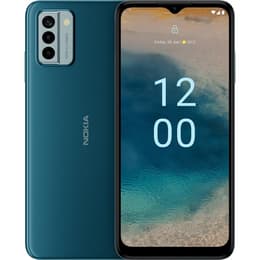
Nokia G22
Nokia G22
See options

The Samsung Galaxy S25, released in early 2025, stands as a flagship smartphone offering advanced technology and high-end performance. In contrast, the Nokia G22, launched in early 2023, is positioned as a more accessible device with a notable emphasis on user repairability. Both devices run on the Android operating system, but they cater to different user expectations regarding features, performance, and longevity.

Scores

Durability

The longevity and physical resilience of a smartphone are key considerations for many users.

  • Software Support: The Galaxy S25 launched with Android 15 and is promised an extensive seven years of operating system and security updates, extending its software lifespan significantly until approximately 2032. The Nokia G22, released with Android 12, is slated to receive two years of OS upgrades (up to Android 14) and three years of security updates, offering a shorter software support window.
  • Build Materials and Protection: The Galaxy S25 features a premium construction with an aluminum frame and Gorilla Glass Victus 2 on both the front and back, providing robust protection against drops and scratches. It also boasts an IP68 rating for significant dust and water resistance. The Nokia G22 utilizes a plastic back made from 100% recycled materials and a plastic frame, with its 6.52-inch display protected by Corning Gorilla Glass 3. It carries an IP52 rating, indicating basic splash and dust resistance.
  • Repairability: A standout feature of the Nokia G22 is its design for user repairability, developed in partnership with iFixit. This allows users to easily replace common components like the battery, screen, and charging port with readily available parts and guides. The Galaxy S25, while built with durable materials, is not designed for easy user-level repairs.

Release year

2025

2023

Operating system

Android

Android

Foldable

No

No

Performance

Performance differences between these two devices are substantial, reflecting their distinct market segments.

  • Processing Power: The Galaxy S25 is equipped with a current-generation, high-performance processor, enabling it to handle demanding applications, complex multitasking, and graphics-intensive gaming with exceptional smoothness and responsiveness. The Nokia G22 features an entry-level processor, which is suitable for everyday tasks like browsing, social media, and light applications. Users may experience slower app loading times and less fluid performance with more intensive tasks or extensive multitasking.
  • Memory and Storage: The Galaxy S25 comes with a generous 12GB of RAM across all models, facilitating seamless transitions between numerous open applications. The base model offers 128GB of internal storage, with higher options available. The Nokia G22 typically offers 4GB of RAM and storage options of 64GB or 128GB, which can be expanded via a microSD card. This configuration supports essential functions but may limit the number of applications that can run simultaneously without performance degradation.
  • Battery Behavior: The Galaxy S25 houses a 4000mAh battery, supporting 25W wired and 15W wireless charging. Its powerful components mean that heavy usage might require more frequent charging. The Nokia G22, with its 5050mAh battery and less power-intensive components, is noted for offering extended battery life, often lasting through a full day or more of typical use. It supports 20W wired charging.

Memory (GB)

12 GB

4 GB

Screen quality

The visual experience offered by each device's display varies significantly.

  • Display Technology and Resolution: The Galaxy S25 features a 6.2-inch Dynamic LTPO AMOLED 2X display with a Full HD+ resolution (2340x1080 pixels). This technology delivers deep blacks, vibrant colors, and excellent contrast. The Nokia G22 comes with a 6.52-inch IPS LCD display with an HD+ resolution (720x1600 pixels). While providing a decent viewing area, the LCD technology and lower resolution result in less vibrant colors and less sharp detail compared to an AMOLED panel.
  • Brightness and Refresh Rate: The Galaxy S25 offers a high peak brightness of 2600 nits, ensuring excellent visibility even in bright outdoor conditions, and an adaptive 120Hz refresh rate for exceptionally smooth scrolling and animations. The Nokia G22 has a typical brightness of 500 nits, which can be sufficient indoors but may struggle in direct sunlight. Its 90Hz refresh rate provides a smoother experience than standard 60Hz displays, but it is not as fluid as the S25's adaptive 120Hz.
  • Screen Size and Viewing Experience: The Galaxy S25's 6.2-inch display offers a compact yet immersive viewing experience with high pixel density. The Nokia G22's slightly larger 6.52-inch screen provides more screen real estate, which can be beneficial for media consumption, though the lower resolution means individual pixels may be more discernible.

Resolution

1080x2340

720 x 1600

Audiovisual

The camera systems of these two smartphones are designed for different levels of photographic capability.

  • Rear Camera System: The Galaxy S25 features a versatile triple-camera setup, including a 50MP main sensor, a 12MP ultra-wide lens, and a 10MP telephoto lens with 3x optical zoom. This system is enhanced by advanced computational photography and AI features, allowing for detailed photos across various lighting conditions and flexible zoom capabilities. It can record video at up to 8K resolution at 30 frames per second. The Nokia G22 comes with a triple-camera system comprising a 50MP main sensor, a 2MP macro lens, and a 2MP depth sensor. This setup is capable of capturing decent photos in well-lit environments, but its performance in challenging lighting or for detailed zoom is more limited. It records video at 1080p resolution at 30 frames per second.
  • Front Camera: For selfies and video calls, the Galaxy S25 is equipped with a 12MP front-facing camera, capable of capturing high-quality images and videos. The Nokia G22 features an 8MP front camera, suitable for standard selfies and video calls.
  • Audio Recording and Playback: The Galaxy S25 offers advanced video options, including zoom-in mic functionality and 360 audio recording, alongside stereo speakers for an immersive media experience. The Nokia G22 includes a standard loudspeaker and retains a 3.5mm headphone jack, which can be a convenience for users with wired audio accessories.

Miscellaneous

Beyond core features, several practical elements differentiate these devices.

  • Connectivity: The Galaxy S25 supports 5G connectivity, offering faster mobile data speeds where available, along with advanced Wi-Fi standards and Bluetooth for efficient wireless connections. The Nokia G22 supports 4G LTE networks, Wi-Fi 5, and Bluetooth 5.0, providing reliable but generally slower wireless connectivity compared to the S25.
  • Ports and Biometrics: The Galaxy S25 features a USB-C port for charging and data transfer and incorporates an ultrasonic in-screen fingerprint sensor for secure unlocking. The Nokia G22 also uses a USB-C port and includes a side-mounted fingerprint sensor for authentication, alongside a traditional 3.5mm headphone jack.
  • Dimensions and Handling: The Galaxy S25 is designed with a compact form factor, featuring an aluminum frame and glass construction, contributing to a premium in-hand feel. The Nokia G22 has a slightly larger footprint due to its screen size and is constructed with a plastic frame and recycled plastic back, making it lighter and potentially more resistant to minor impacts.

Weight

162 oz

196 oz

Screen size (in)

6.2

6.5

Network

5G

4G

SIM card

Physical SIM + eSIM

Dual Physical SIM

Carrier compatibility

Unlocked

Unlocked

The Samsung Galaxy S25 and Nokia G22 cater to distinct user needs and priorities. The Galaxy S25 is consistently praised for its cutting-edge performance, vibrant display, and advanced camera capabilities, making it a strong choice for users who demand the latest technology and a premium smartphone experience. Users often highlight its smooth operation and photographic versatility. Some common considerations might include its battery life under heavy use, which, while adequate, may not match the longevity of devices with less powerful components.

Conversely, the Nokia G22 receives commendation for its exceptional user repairability, extended battery life, and commitment to sustainable design through recycled materials. Users appreciate the ability to perform basic repairs themselves, which can contribute to a longer practical lifespan for the device. Criticisms often point to its more modest performance and camera quality compared to higher-end smartphones.

Users prioritizing top-tier performance, advanced photography features, and a high-resolution, vibrant display will find the Galaxy S25 well-suited to their needs. This device is ideal for professionals, content creators, or anyone seeking a powerful and feature-rich smartphone. On the other hand, users who value self-sufficiency, environmental consciousness, and a device designed for easy maintenance and extended battery life may lean towards the Nokia G22. It is a practical choice for students or individuals seeking a reliable device for everyday tasks with the added benefit of repairability. For those considering an eco-friendly alternative, quality-assured refurbished options for both models can provide a sustainable choice.


See all articles

Our recent comparisons