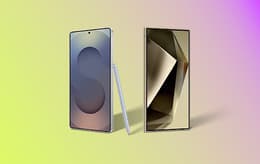
Galaxy S24 Ultra vs Motorola Moto E13

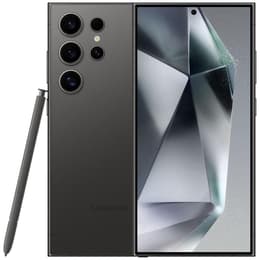
Galaxy S24 Ultra
Galaxy S24 Ultra
Starting at

Refurbished price:A$869.00

Versus A$1,882.00 new

See options
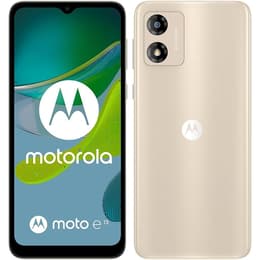
Motorola Moto E13
Motorola Moto E13
Starting at

Refurbished price:A$121.29

Versus A$244.00 new

See options

Ratings

The Samsung Galaxy S24 Ultra, released in January 2024, and the Motorola Moto E13, launched in January 2023, represent distinct segments of the smartphone market. While both are Android devices, the Galaxy S24 Ultra operates on Android 14 with Samsung's One UI, offering a premium experience, whereas the Moto E13 runs on Android 13 Go edition, tailored for efficiency on more modest hardware. The primary differentiators lie in their performance capabilities, display quality, and advanced camera systems.

Scores

Durability

The practical lifespan of a smartphone is influenced by its build quality, software support, and the longevity of its components.

  • Release Timeline and Age: The Samsung Galaxy S24 Ultra was released in January 2024, making it a more recent device compared to the Motorola Moto E13, which launched in January 2023. This difference in release date inherently provides the Galaxy S24 Ultra with a longer potential period of relevance.
  • OS Support Duration: The Galaxy S24 Ultra is notable for its extensive software commitment, promising seven years of operating system upgrades and security patches. This means it is expected to receive updates through Android 21. In contrast, the Moto E13 launched with Android 13 Go edition and has not received major Android version updates since its release, primarily receiving security updates.
  • Durability Features: The Galaxy S24 Ultra features a titanium frame, Gorilla Glass Armor on the front display, and Gorilla Glass on the back, contributing to its robust construction and resistance to scratches and drops. It also boasts an IP68 rating for dust and water resistance, allowing submersion up to 1.5 meters for 30 minutes. The Moto E13, constructed primarily from plastic, offers an IP52 rating, indicating protection against dust and splashes but not full water immersion.

Release year

2024

2023

Compatible with latest Update

Yes

No

Operating system

Android

Android

Foldable

No

No

Performance

Performance in smartphones is determined by the processing power, memory, and storage solutions, impacting how smoothly applications run and how efficiently tasks are handled.

  • Processor Capabilities: The Galaxy S24 Ultra is equipped with a current-generation octa-core processor, designed to handle demanding applications, intensive multitasking, and advanced gaming with fluidity. The Moto E13 utilizes an octa-core processor that is suitable for everyday tasks such as web browsing, social media, and light gaming, though users may experience slower app loading and processing times.
  • Memory and Storage: The Galaxy S24 Ultra comes with 12GB of RAM and offers storage options up to 1TB, providing ample space and memory for complex applications and extensive media libraries. The Moto E13 is available with 2GB, 4GB, or 8GB of RAM and 64GB or 128GB of internal storage, which can be expanded up to 1TB using a microSD card. The lower RAM configurations on the Moto E13 are optimized by its Android Go operating system for efficient performance with essential applications.
  • Battery Behavior: Both devices feature a 5000 mAh battery. The Galaxy S24 Ultra's battery is optimized for its powerful components, often lasting through a full day of heavy use. The Moto E13's battery, combined with its less demanding hardware and Android Go edition, also provides extended usage, often lasting a very long time on a single charge for typical daily activities.

Memory (GB)

12 GB

4 GB

Screen quality

The display is a primary interface for user interaction, with technology, resolution, and brightness significantly influencing the visual experience.

  • Display Technology and Clarity: The Galaxy S24 Ultra features a 6.8-inch QHD+ OLED display, which delivers deep blacks, vibrant colors, and sharp details, enhancing the viewing experience for high-resolution content. The Moto E13 has a 6.5-inch IPS LCD display with HD+ resolution (1600 x 720 pixels), offering clear visuals for general use.
  • Brightness and Refresh Rate: The Galaxy S24 Ultra's display can reach a peak brightness of 2600 nits, ensuring excellent visibility even in bright outdoor conditions, and features an adaptive refresh rate that ranges from 1Hz to 120Hz for smooth scrolling and responsive interactions. The Moto E13's display operates at a standard 60Hz refresh rate and may struggle with visibility under direct sunlight.
  • Viewing Experience: The Galaxy S24 Ultra's larger, higher-resolution OLED screen with minimal bezels provides an immersive viewing experience, ideal for multimedia consumption and detailed work. The Moto E13's display, while functional, has noticeable bezels and a waterdrop notch for the front camera, offering a more basic viewing experience.

Resolution

1440 x 3120

720 x 1600

Screen type

Dynamic LTPO AMOLED 2X

IPS LCD

Audiovisual

Camera capabilities are a key consideration for many users, with differences in sensor technology, lens configurations, and software processing leading to varied photographic outcomes.

  • Rear Camera System: The Galaxy S24 Ultra boasts a versatile quad-camera setup, including a 200MP main sensor with optical image stabilization (OIS), a 12MP ultrawide lens, a 50MP 5x telephoto lens with OIS, and a 10MP 3x telephoto lens with OIS. This configuration allows for detailed photos across various focal lengths and improved low-light performance. The Moto E13 features a single 13MP rear camera with autofocus, capable of capturing decent images in good lighting conditions.
  • Photography and Video Quality: The Galaxy S24 Ultra delivers high-resolution photos with natural color tones and offers advanced video recording capabilities, including 8K at 30fps and 4K at 120fps. While its main camera excels, some users have noted occasional shutter lag with moving subjects and potential overexposure in certain conditions. The Moto E13's camera performs adequately for basic photography, producing clean images in sufficient light, but its camera app can be slow to launch and process photos. Both devices can record video at 1080p at 30fps.
  • Front Camera and Audio: The Galaxy S24 Ultra includes a 12MP front camera with autofocus, capable of 4K video recording, suitable for high-quality selfies and video calls. The Moto E13 has a 5MP front camera that produces soft results, which may be less ideal for detailed selfies. For audio, the Galaxy S24 Ultra features stereo speakers, while the Moto E13 has a mono speaker with Dolby Atmos support, providing clear audio for media consumption.

Main camera

200 megapixels

13 megapixels

Front camera

12 megapixels

5 megapixels

Miscellaneous

Beyond core performance and display, several practical elements contribute to the overall user experience, including connectivity, physical design, and additional features.

  • Connectivity and Ports: The Galaxy S24 Ultra supports 5G connectivity, Wi-Fi 6E, and Bluetooth 5.3, offering fast and reliable wireless connections. It features a USB-C 3.2 port for charging and data transfer but lacks a 3.5mm headphone jack. The Moto E13 supports 4G, Wi-Fi 802.11 a/b/g/n/ac (dual-band), and Bluetooth 5.0. It includes a USB-C 2.0 port and retains a 3.5mm headphone jack.
  • Sensors and Security: The Galaxy S24 Ultra incorporates an ultrasonic in-screen fingerprint sensor for secure and convenient unlocking, along with proximity, light, accelerometer, gyroscope, compass, and barometer sensors. The Moto E13 does not feature a fingerprint sensor but includes proximity and accelerometer sensors. It offers face unlock, though it is a less secure, photo-based method.
  • Build and Handling: The Galaxy S24 Ultra has a titanium frame and glass construction, weighing 232g with dimensions of 162.3 x 79.0 x 8.6mm. It also integrates an S Pen stylus. The Moto E13, made of plastic, is lighter at 179.5g and measures 164.19 x 74.95 x 8.47mm, offering a comfortable, lightweight feel.

Weight

232 oz

179 oz

Screen size (in)

6.8

6.5

Network

5G

4G

SIM card

Physical SIM + eSIM

Dual Physical SIM

Carrier compatibility

Unlocked

Unlocked

The Samsung Galaxy S24 Ultra and Motorola Moto E13 cater to vastly different user needs and expectations, a distinction evident across their features and user feedback. The Galaxy S24 Ultra is frequently praised for its exceptional battery life, powerful performance that handles demanding tasks effortlessly, and a highly versatile camera system capable of producing detailed photos and videos. Users also appreciate its vibrant, bright display with reduced glare and its robust, premium build quality. However, some criticisms include occasional shutter lag with fast-moving subjects and potential overexposure in certain lighting conditions.

Conversely, the Motorola Moto E13 is often lauded for its accessibility and long battery life, attributed to its efficient hardware and Android Go operating system. Its clean Android interface is also a positive point for many users. Common criticisms, however, revolve around its camera, which is noted for being slow to launch and process images, and its display, which can be difficult to view in direct sunlight. Its overall performance is considered average for daily tasks, and the absence of a fingerprint sensor is a notable omission for some.

Users prioritizing cutting-edge performance, a top-tier camera system, and a premium, durable design with extensive software support will find the Samsung Galaxy S24 Ultra well-suited to their needs. This device is ideal for professionals, content creators, and power users who require a device that can handle intensive applications and deliver high-quality multimedia experiences. For those seeking a reliable and straightforward smartphone for essential communication, social media, and light entertainment, the Motorola Moto E13 presents a practical option. It is particularly suitable for students or individuals who value battery longevity and a simple user experience without the need for advanced features. Both devices, whether new or as quality-assured refurbished options, offer distinct advantages depending on individual priorities.


See all articles

Our recent comparisons