
Compare models

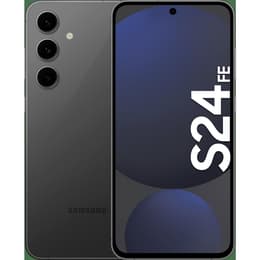
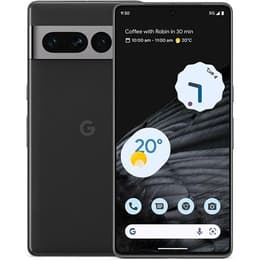
Galaxy S24 FE vs Google Pixel 7 Pro

  • 1-year warranty
  • Free standard shipping
  • Free 30-day returns
Galaxy S24 FE
Starting at

Refurbished price:A$566.00

Versus A$710.00 new

See options
Google Pixel 7 Pro
Starting at

Refurbished price:A$329.00

Versus A$1,219.00 new

See options

Differences at a glance

The Samsung Galaxy S24 FE (2024) and the Google Pixel 7 Pro (2022) represent two distinct approaches to high-end smartphone design and everyday usability. While the Galaxy S24 FE arrives as a newer entry-point into flagship features, the Pixel 7 Pro established Google's mature software ecosystem and specialized camera hardware in a preceding generation. Both devices operate on the Android platform, yet they diverge significantly in their user interfaces, physical dimensions, and long-term software support schedules.

Available Models

Colour

Storage

Scores

Durability

When evaluating the practical lifespan and structural longevity of these two smartphones, several factors regarding software updates and hardware build quality emerge to shape daily expectations.

  • Software support timelines: The Galaxy S24 FE benefits from an extended software update commitment spanning multiple years, ensuring long-term security, whereas the Pixel 7 Pro operates on a shorter remaining update schedule due to its earlier release year.
  • Repairability and durability: Both models incorporate sturdy glass and aluminum construction backed by water and dust resistance ratings, though repair accessibility varies depending on regional service network availability for components.
  • Expected practical lifespan: Users can anticipate several years of reliable daily performance from either device, with the newer model holding an advantage in extended operating system longevity.

Release year

2024

2022

Foldable

No

No

Performance

Daily operation and responsiveness depend heavily on how each device manages intensive applications, background tasks, and energy consumption across varying user habits.

  • System responsiveness and multitasking: Both devices handle standard web browsing, social media applications, and demanding mobile games smoothly, supported by sufficient random access memory configurations for seamless background app switching.
  • Storage capacity choices: Multiple internal storage tiers accommodate different user needs for applications, media files, and offline content without relying heavily on cloud storage.
  • Battery behavior and endurance: Battery capacity and power management systems deliver a full day of typical mixed usage, though heavy gaming or navigation use cases will require an interim charge before evening hours.

Screen quality

Visual output and display engineering dictate the clarity, comfort, and legibility of content across various indoor and outdoor lighting conditions.

  • Display technology and clarity: Both smartphones utilize vibrant organic light-emitting diode panels with sharp resolutions that render text crisp and media content vivid.
  • Outdoor peak brightness: High maximum brightness levels ensure that screens remain easily legible under direct sunlight, reducing glare during outdoor navigation or reading.
  • Refresh rate smoothness: Fast refresh rate capabilities provide fluid scrolling through web pages and documents, enhancing the overall tactile feel of navigation.

Resolution

1080x2340

1440 x 3120

Audiovisual

Optics and audio reproduction shape the multimedia capture and consumption experience for everyday moments, calls, and entertainment.

  • Camera hardware configurations: The Pixel 7 Pro features a dedicated telephoto lens for optical zoom magnification, while the Galaxy S24 FE balances its primary and secondary sensors for sharp everyday snapshots and wide-angle framing.
  • Low-light and video performance: Both devices capture detailed images in challenging lighting environments and record stable video with clear audio capture from built-in microphone arrays.
  • Media consumption output: Stereo speaker setups deliver clear dialogue and balanced sound output for casual video viewing and hands-free calls.

Miscellaneous

Physical dimensions, connectivity standards, and daily handling characteristics determine how comfortably each smartphone integrates into a user's routine.

  • Physical handling and dimensions: The Galaxy S24 FE offers a slightly flatter display profile and balanced weight distribution, whereas the Pixel 7 Pro features curved glass edges and a distinct camera bar design on the rear.
  • Connectivity and ports: Modern 5G capabilities, fast Wi-Fi standards, and universal charging ports ensure rapid data transfers and widespread accessory compatibility.
  • Biometric security sensors: In-screen fingerprint scanners and facial recognition technology provide secure, rapid device unlocking options for everyday convenience.

Weight

213 oz

212 oz

Screen size (in)

6.7

67

SIM card

Physical SIM + eSIM

Physical SIM + eSIM

Carrier compatibility

Unlocked

Unlocked

What the community thinks

User feedback from online communities highlights distinct preferences for each device, with Pixel 7 Pro owners frequently praising the clean software interface, advanced photo processing capabilities, and the utility of the dedicated zoom lens. Conversely, Galaxy S24 FE users often note appreciation for the flat screen design, consistent daily performance, and the longevity of the newer software update schedule. Frequent criticisms for the Pixel involve occasional warmth during intensive tasks, while some users mention that the Galaxy model has a slightly heavier physical footprint.

Users prioritizing long-term software update longevity and a flat display panel may prefer the Galaxy S24 FE, while users who value dedicated telephoto zoom capabilities and a clean software experience will lean toward the Pixel 7 Pro. Choosing a quality-assured refurbished option through platforms like Back Market provides an eco-friendly and reliable path to acquiring either of these devices while reducing electronic waste. Ultimately, the right choice depends on individual preferences regarding physical design, camera versatility, and software update horizons.

Our recent comparisons