
Compare models
Galaxy S23 FE vs iPhone 14 Pro Max
- 1-year warranty
- Free standard shipping
- Free 30-day returns
Differences at a glance
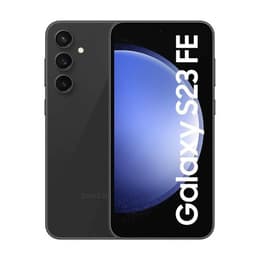
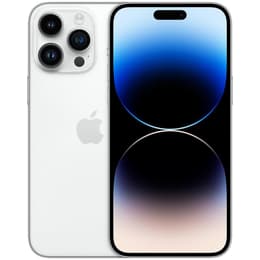
The Samsung Galaxy S23 FE, released in late 2023, and the iPhone 14 Pro Max, launched in late 2022, represent distinct approaches to the premium smartphone experience. While the Galaxy S23 FE aims to deliver flagship-level features at a more accessible point within the Android ecosystem, the iPhone 14 Pro Max stands as Apple's top-tier offering, showcasing advanced capabilities within the iOS environment. The primary differentiators lie in their operating systems, camera systems, and overall performance profiles.
Available Models
Colour
Storage (GB)
Scores
Durability
When considering the longevity of these devices, several factors come into play, including their release timelines, software support, and physical durability.
- Release Timeline: The iPhone 14 Pro Max was released in September 2022, making it approximately a year older than the Galaxy S23 FE, which launched in October 2023. This difference in release date impacts their respective software support cycles.
- Software Longevity: The Galaxy S23 FE is guaranteed to receive four generations of Android OS updates and five years of security patches, extending its support until around Android 17/2027. The iPhone 14 Pro Max, running iOS, typically receives 5-6 years of major OS updates from its release, suggesting a slightly longer period of software support.
- Repairability and Durability: Both devices carry an IP68 rating for dust and water resistance. The iPhone 14 Pro Max features Ceramic Shield front cover and a stainless steel frame, contributing to its robust build. The Galaxy S23 FE uses Gorilla Glass 5 on both the front and back, with an aluminum frame. While the iPhone 14 Pro Max's repairability was initially rated higher, iFixit later revised its score due to software restrictions on parts pairing, making independent repairs more challenging. The Galaxy S23 FE's battery design includes pull tabs, which can make battery replacement easier.
Release year
2023
2022
Compatible with latest Update
Yes
Yes
Operating system
Android
iOS
Foldable
No
No
Performance
The performance of a smartphone is crucial for daily operations, from launching applications to handling demanding tasks like gaming and video editing.
- Processor Capabilities: The iPhone 14 Pro Max is equipped with a powerful processor that delivers excellent performance for all tasks, ensuring smooth operation and efficient handling of intensive applications and games. The Galaxy S23 FE is powered by either a current-generation processor (Snapdragon 8 Gen 1 in some regions or Exynos 2200 in others), which provides smooth performance for everyday use and capable handling of graphically intensive games.
- Multitasking and Responsiveness: Both devices offer a responsive user experience. The iPhone 14 Pro Max, with its optimized software and hardware integration, handles multitasking seamlessly. The Galaxy S23 FE, featuring 8GB of RAM, also provides a fluid experience when switching between multiple applications.
- Storage Options: Both models offer various internal storage configurations. The iPhone 14 Pro Max is available with 128GB, 256GB, 512GB, or 1TB of storage. The Galaxy S23 FE comes with 128GB or 256GB of internal storage, with no expandable storage option.
Screen quality
The display is a primary interface for users, and both devices offer high-quality viewing experiences with distinct characteristics.
- Display Technology and Size: The iPhone 14 Pro Max features a 6.7-inch Super Retina XDR OLED display, known for its deep blacks and vibrant colors. The Galaxy S23 FE has a 6.4-inch Dynamic AMOLED 2X display, also offering vivid colors and strong contrast.
- Resolution and Clarity: The iPhone 14 Pro Max has a resolution of 2796x1290 pixels at 460 ppi, providing sharp and detailed visuals. The Galaxy S23 FE offers a Full HD+ resolution of 2340x1080 pixels at 403 ppi, which delivers clear and crisp images for typical viewing distances.
- Brightness and Refresh Rate: The iPhone 14 Pro Max boasts a peak outdoor brightness of up to 2000 nits, making it highly visible in bright sunlight, and features ProMotion technology for an adaptive refresh rate up to 120Hz. The Galaxy S23 FE has a peak brightness of 1450 nits and a 120Hz refresh rate, ensuring smooth scrolling and good visibility in various lighting conditions.
Resolution
1080 x 2340
1290 x 2796
Screen type
Dynamic AMOLED 2X
LTPO Super Retina XDR OLED
Audiovisual
Both smartphones offer advanced camera systems designed to capture high-quality photos and videos, though with different strengths and features.
- Rear Camera System: The iPhone 14 Pro Max features a triple camera system with a 48MP main sensor, a 12MP ultrawide, and a 12MP telephoto lens with 3x optical zoom. It excels in low-light performance and offers advanced features like Cinematic Mode and Action Mode for video. The Galaxy S23 FE also has a triple camera setup, including a 50MP main sensor, a 12MP ultrawide, and an 8MP telephoto lens with 3x optical zoom.
- Video Recording Capabilities: The iPhone 14 Pro Max supports 4K video recording at various frame rates, including Cinematic Mode up to 4K HDR at 30fps and Action Mode up to 2.8K at 60fps. The Galaxy S23 FE can record videos up to 8K at 24fps and 4K at 30fps, with features like Super Steady mode for stabilization.
- Front Camera: The iPhone 14 Pro Max includes a 12MP TrueDepth front camera with autofocus, offering good low-light performance for selfies and video calls. The Galaxy S23 FE features a 10MP front camera capable of 4K video recording.
Main camera
50 megapixels
48 megapixels
Front camera
10 megapixels
12 megapixels
Miscellaneous
Beyond core features, several practical elements contribute to the overall user experience and device utility.
- Connectivity: Both devices support 5G connectivity. The iPhone 14 Pro Max includes Wi-Fi 6 and Bluetooth 5.3. The Galaxy S23 FE supports Wi-Fi 6E and Bluetooth 5.3.
- Ports and Biometrics: The iPhone 14 Pro Max uses a Lightning port for charging and data transfer and relies on Face ID for biometric authentication. The Galaxy S23 FE features a USB-C port and an in-display optical fingerprint sensor for security.
- Dimensions and Weight: The iPhone 14 Pro Max measures 160.7 x 77.6 x 7.85mm and weighs 240 grams, making it a larger and heavier device. The Galaxy S23 FE is slightly more compact and lighter at 158.0 x 76.5 x 8.2mm and 209 grams.
Weight
209 oz
120 oz
Screen size (in)
6.4
6,7
Network
5G
5G
SIM card
Physical SIM
Physical SIM + eSIM
Carrier compatibility
Unlocked
Unlocked
What the community thinks
User sentiment for the iPhone 14 Pro Max often highlights its exceptional camera capabilities, robust performance, and long-lasting battery life, making it a strong choice for users who prioritize a premium and consistent experience within the Apple ecosystem. Common praise points include its vibrant display and seamless integration with other Apple devices. Some users, however, note its larger size and weight as a potential drawback for one-handed use.
The Galaxy S23 FE is frequently praised for offering a balanced set of features, including a capable camera system, a bright display, and solid performance for everyday tasks, making it an appealing option for those seeking a high-end Android experience without the absolute top-tier specifications. Users appreciate its value proposition and the inclusion of features like a telephoto lens. Some criticisms occasionally point to its processor being a generation older than the flagship S23 models, though real-world performance remains strong.
Users prioritizing a highly integrated ecosystem, cutting-edge video features, and a slightly longer software support window may find the iPhone 14 Pro Max well-suited to their needs. Conversely, users who prefer the Android operating system, a slightly more compact design, and a strong feature set at a more accessible point will likely lean towards the Galaxy S23 FE. Both devices offer compelling experiences, and choosing between them often comes down to personal preference for operating system and specific feature priorities. For those considering either device, exploring quality-assured refurbished options can provide an eco-friendly alternative.