Galaxy S21+ 5G vs Motorola Razr 40

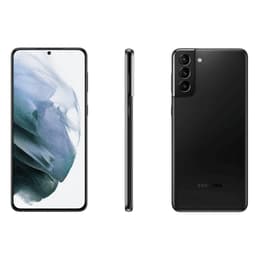
Galaxy S21+ 5G
Galaxy S21+ 5G
Starting at

Refurbished price:A$319.00

Versus A$1,747.00 new

See options
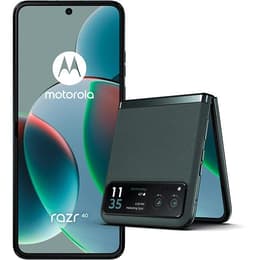
Motorola Razr 40
Motorola Razr 40
See options

Ratings

The Samsung Galaxy S21 Plus 5G, released in January 2021, and the Motorola Razr 40, launched in June 2023, represent distinct approaches to smartphone design and functionality. While both devices operate on the Android platform, they cater to different user preferences through their form factors, release timelines, and camera philosophies. The Galaxy S21 Plus 5G offers a traditional, robust smartphone experience, whereas the Motorola Razr 40 introduces a compact, foldable design.

Scores

Durability

The expected lifespan of a smartphone is influenced by its physical resilience and the duration of software support it receives. These two devices, released over two years apart, present different profiles in this regard.

  • Software Longevity: The Motorola Razr 40, being a newer device, is anticipated to receive three major Android OS upgrades and four years of bi-monthly security updates, extending its software relevance further into the future. The Samsung Galaxy S21 Plus 5G, released earlier, was upgradable to Android 14, meaning its major OS update cycle is nearing its conclusion.
  • Physical Durability: The Galaxy S21 Plus 5G features a traditional slab design with Gorilla Glass Victus on both the front and back, complemented by an IP68 rating for dust and water resistance, indicating a high level of protection against environmental elements. The Motorola Razr 40, with its foldable display, has an IP52 water-repellent coating, offering splash resistance rather than full submersion protection. While concerns about foldable screen durability are common, user experiences suggest the Razr 40's hinge can maintain its integrity over extended use.
  • Practical Lifespan: Users prioritizing the latest software features and updates will find the Razr 40 offers a longer runway. For those who value a highly water and dust-resistant device with a conventional screen, the Galaxy S21 Plus 5G provides a proven design.

Release year

2021

2023

Compatible with latest Update

Yes

Yes

Operating system

Android

Android

Foldable

No

Yes

Performance

Performance in smartphones is about how smoothly applications run, how quickly tasks are completed, and the overall responsiveness of the system. The Galaxy S21 Plus 5G and Motorola Razr 40 offer different performance characteristics based on their internal components.

  • Processing Power: The Samsung Galaxy S21 Plus 5G is equipped with a processor designed for high-end performance, enabling it to handle demanding applications, intensive multitasking, and graphic-rich games with ease. The Motorola Razr 40 features a processor that delivers smooth performance for everyday tasks, general app usage, and moderate gaming.
  • Multitasking and Storage: Both devices typically come with 8GB of RAM, with some configurations of the Razr 40 offering 12GB, which can enhance multitasking capabilities. Both models offer various internal storage options, impacting how many apps and media files can be stored directly on the device.
  • Battery Behavior: The Galaxy S21 Plus 5G houses a 4800 mAh battery, generally providing sufficient power for a full day of typical usage for many users. The Motorola Razr 40, with its 4200 mAh battery, is noted for offering good battery life for a foldable device, often lasting through a day of moderate use.

Memory (GB)

8 GB

8 GB

Screen quality

The display is a primary interface for smartphone interaction, and both devices offer distinct visual experiences tailored to their designs.

  • Display Technology and Clarity: The Samsung Galaxy S21 Plus 5G features a 6.7-inch Dynamic AMOLED 2X flat display, providing vibrant colors, deep blacks, and a sharp Full HD+ resolution. The Motorola Razr 40 boasts a 6.9-inch Foldable P-OLED main display when unfolded, also offering rich colors and a clear Full HD+ resolution.
  • Refresh Rate and Brightness: The Galaxy S21 Plus 5G offers an adaptive refresh rate of up to 120Hz, contributing to smooth scrolling and responsiveness, with a peak brightness of 1300 nits for good outdoor visibility. The Razr 40's main display features a higher 144Hz refresh rate for exceptionally fluid visuals and a peak brightness of 1400 nits, enhancing its usability in bright conditions.
  • Unique Display Features: A key differentiator for the Razr 40 is its 1.5-inch external OLED display, which allows users to view notifications, check the time, and control music without unfolding the device. The Galaxy S21 Plus 5G provides a consistent, expansive flat screen experience.

Resolution

1080 x 2400

1080 x 2640

Screen type

Dynamic AMOLED 2X

Foldable LTPO AMOLED

Audiovisual

The camera systems on these smartphones are designed to capture moments with varying strengths in different scenarios, reflecting their respective development timelines and design priorities.

  • Rear Camera Systems: The Samsung Galaxy S21 Plus 5G is equipped with a versatile triple-camera setup, including a 12-megapixel main sensor, a 12-megapixel ultrawide lens, and a 64-megapixel telephoto lens capable of 3x hybrid optical zoom. This configuration is known for producing vibrant colors and detailed images in various lighting conditions. The Motorola Razr 40 features a dual-camera system on its exterior, comprising a 64-megapixel main sensor with optical image stabilization and a 13-megapixel ultrawide lens. Its main camera performs well in good lighting.
  • Front-Facing and Video Capabilities: For selfies, the Galaxy S21 Plus 5G has a 10-megapixel front camera. The Razr 40 offers a higher-resolution 32-megapixel front camera. In terms of video, the S21 Plus 5G can record up to 8K resolution at 24 frames per second and 4K at 60 frames per second, offering high-quality video capture. The Razr 40 supports 4K video recording at 30 frames per second.
  • Audio Experience: The Galaxy S21 Plus 5G provides good speaker output for media consumption.

Main camera

12 megapixels

64 megapixels

Front camera

10 megapixels

32 megapixels

Miscellaneous

Beyond core performance and display, several practical elements contribute to the overall user experience, from connectivity to physical design.

  • Connectivity and Ports: Both devices support 5G networks for fast mobile data. The Galaxy S21 Plus 5G includes Wi-Fi 6 and Bluetooth 5.0. The Motorola Razr 40 offers more recent standards with Wi-Fi 6E and Bluetooth 5.3. Both smartphones utilize a USB-C port for charging and data transfer.
  • Biometric Security: The Galaxy S21 Plus 5G incorporates an ultrasonic fingerprint sensor integrated into its display for secure unlocking. The Motorola Razr 40 features a side-mounted fingerprint sensor, often praised for its quick and intuitive access.
  • Design and Handling: The Galaxy S21 Plus 5G has dimensions of 161.5 x 75.6 x 7.8 mm and weighs between 200-202 grams, offering a substantial feel in hand. Its build includes a glass front and back with an aluminum frame. The Motorola Razr 40, when unfolded, measures 170.8 x 74 x 7.4 mm and weighs 188.6 grams. Its key design feature is its ability to fold into a compact form, making it highly portable. The Razr 40's construction includes a plastic front and back, an aluminum frame, a stainless steel hinge, and options for a vegan leather finish.

Weight

200 oz

189 oz

Screen size (in)

6.7

6,9

Network

5G

5G

SIM card

Physical SIM + eSIM

Dual Physical SIM + eSIM

Carrier compatibility

Unlocked

Unlocked

User feedback for the Samsung Galaxy S21 Plus 5G often highlights its consistent performance, reliable camera system, and the vibrant quality of its display. Many users appreciate its traditional smartphone durability and find its battery life sufficient for daily use. Common criticisms tend to revolve around its age, with some users noting that its major operating system update cycle is concluding, which can impact long-term software support.

The Motorola Razr 40 receives praise for its distinctive foldable design, offering a compact and portable form factor that appeals to those seeking a modern and unique device. Its main display is generally well-regarded for its quality. However, some users express concerns about the camera's performance not always matching that of higher-end traditional smartphones, and while hinge durability has improved, it remains a point of consideration for some. The software update policy, while improved, is still a factor for users expecting extended support.

Users prioritizing a proven, robust, and high-performing traditional smartphone experience with a strong camera system may find the Samsung Galaxy S21 Plus 5G well-suited to their needs. Conversely, individuals who value a compact, modern, and unique foldable design, and who prioritize portability and a fresh user experience, may lean towards the Motorola Razr 40. Both devices offer distinct advantages, and considering a quality-assured refurbished option for either model can provide an eco-friendly alternative for making an informed choice.

See all articles

Our recent comparisons