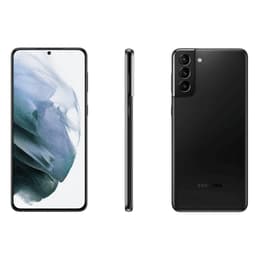
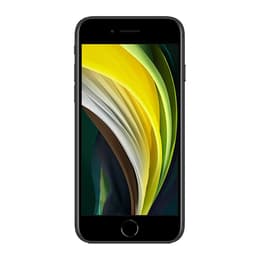

Galaxy S21+ 5G vs iPhone SE (2020)

Galaxy S21+ 5G
Galaxy S21+ 5G
Starting at

Refurbished price:A$319.00

Versus A$1,747.00 new

See options
iPhone SE (2020)
iPhone SE (2020)
Starting at

Refurbished price:A$108.00

Versus A$529.00 new

See options

Ratings

The Samsung Galaxy S21 Plus 5G, released in January 2021, and the Apple iPhone SE 2020, launched in April 2020, represent distinct approaches to smartphone design and user experience. While the Galaxy S21 Plus offers a larger, more modern display and a versatile camera system running on Android, the iPhone SE 2020 provides a compact form factor and a classic Apple experience powered by iOS. These devices cater to different user preferences, emphasizing either an expansive Android ecosystem or a familiar, robust iOS platform.

Scores

Durability

The expected lifespan of a smartphone is influenced by its release timeline, software support, and physical resilience.

  • Software Longevity: The Samsung Galaxy S21 Plus 5G, released in early 2021, received four major Android OS updates, concluding with Android 15 (One UI 7.0) in May 2025, and its security updates ended in February 2026. The iPhone SE 2020, launched in mid-2020, has continued to receive iOS updates, currently running iOS 26.4 as of March 2026, suggesting a longer period of software support.
  • Physical Durability: The Galaxy S21 Plus 5G features an IP68 rating for dust and water resistance, allowing for deeper submersion, and utilizes Corning Gorilla Glass Victus on both the front and back for enhanced scratch and drop resistance. The iPhone SE 2020 has an IP67 rating, offering protection against splashes and brief immersion, and uses Ion-Strengthened Glass for its display.
  • Repairability: Both models generally offer moderate repairability, with common components being replaceable, contributing to their practical lifespan.

Release year

2021

2020

Compatible with latest Update

Yes

Yes

Operating system

Android

iOS

Foldable

No

No

Performance

Performance in daily use, multitasking, and demanding applications varies between these two devices, largely due to their internal components and battery capacities.

  • System Responsiveness: The Galaxy S21 Plus 5G handles demanding applications and multitasking smoothly, providing a fluid user experience for gaming and intensive tasks. The iPhone SE 2020 is also praised for its strong performance, showing no lagging even with heavy games and maintaining snappy efficiency.
  • Multitasking Capabilities: The Galaxy S21 Plus 5G typically comes with 8GB of RAM, which supports extensive multitasking and keeps numerous applications active in the background without performance degradation. The iPhone SE 2020, with 3GB of RAM, manages everyday multitasking effectively within the iOS ecosystem, though it may reload background apps more frequently under heavy use.
  • Battery Behavior: The Galaxy S21 Plus 5G, equipped with a 4800 mAh battery, generally offers good to excellent battery life, often lasting a full day of heavy use or up to two days with lighter usage. In contrast, the iPhone SE 2020, with its 1821 mAh battery, is frequently noted for its more limited battery life, often requiring moderate to heavy users to charge it multiple times throughout the day.

Memory (GB)

8 GB

3 GB

Screen quality

The visual experience on these smartphones is significantly different, primarily due to their display technologies, sizes, and refresh rates.

  • Display Technology and Clarity: The Galaxy S21 Plus 5G features a 6.7-inch Dynamic AMOLED 2X display, offering deep blacks, vibrant colors, and excellent contrast. Its FHD+ resolution (1080 x 2400 pixels) provides a sharp and detailed viewing experience. The iPhone SE 2020 has a smaller 4.7-inch Retina IPS LCD display, which delivers accurate colors and good viewing angles, with an HD resolution (750 x 1334 pixels).
  • Brightness and Smoothness: The Galaxy S21 Plus 5G boasts an adaptive refresh rate of up to 120Hz, resulting in smoother scrolling and more fluid animations, along with a peak brightness of 1300 nits for clear visibility even in bright outdoor conditions. The iPhone SE 2020 operates at a standard 60Hz refresh rate and has a peak brightness of 625 nits, which is suitable for most indoor and outdoor viewing, though less bright than its counterpart.
  • Viewing Experience: The larger display of the Galaxy S21 Plus 5G provides a more immersive experience for media consumption and gaming, while the compact screen of the iPhone SE 2020 is designed for easier one-handed use and portability.

Resolution

1080 x 2400

750 x 1334

Screen type

Dynamic AMOLED 2X

Retina IPS LCD

Audiovisual

The camera systems of these two devices offer distinct capabilities, catering to different photography and videography needs.

  • Rear Camera System: The Galaxy S21 Plus 5G features a versatile triple-camera setup, including a 12MP main sensor, a 12MP ultrawide lens, and a 64MP telephoto lens with 3x hybrid optical zoom. This configuration allows for a wide range of photographic styles, from expansive landscapes to detailed zoomed-in shots. The iPhone SE 2020 relies on a single 12MP wide-angle rear camera, which is known for producing consistent and high-quality everyday photos with natural color reproduction.
  • Photography Performance: The Galaxy S21 Plus 5G delivers vibrant colors, impressive dynamic range, and good detail in various lighting conditions, including adequate low-light performance. The iPhone SE 2020 excels in well-lit environments, capturing sharp images with accurate skin tones, though its low-light performance is less robust due to the single lens and older hardware. Its portrait mode is primarily software-driven and limited to human subjects.
  • Video and Audio: The Galaxy S21 Plus 5G supports video recording up to 8K resolution and offers various features for content creation, with all its lenses capable of 4K 60fps recording. The iPhone SE 2020 provides excellent 4K video recording at up to 60fps, known for its strong stabilization and natural color science. Both devices feature stereo speakers, with the Galaxy S21 Plus 5G offering a fuller and more immersive audio experience, while the iPhone SE 2020 provides clear audio for calls and casual listening.

Main camera

12 megapixels

12 megapixels

Front camera

10 megapixels

7 megapixels

Miscellaneous

Beyond core functionalities, several practical elements differentiate the Galaxy S21 Plus 5G and the iPhone SE 2020, impacting their overall user experience.

  • Connectivity and Ports: The Galaxy S21 Plus 5G supports 5G cellular networks, offering faster data speeds in compatible areas, and features a USB-C port for charging and data transfer. The iPhone SE 2020 is limited to 4G LTE connectivity and uses Apple's proprietary Lightning port. Both devices support modern Wi-Fi 6 and Bluetooth 5.0 standards.
  • Biometric Security: The Galaxy S21 Plus 5G incorporates an in-display fingerprint sensor for convenient and secure unlocking. The iPhone SE 2020 utilizes the familiar Touch ID fingerprint sensor integrated into its home button.
  • Physical Characteristics: The Galaxy S21 Plus 5G is a larger device, measuring 161.5 x 75.6 x 7.8 mm and weighing 200 grams, offering a substantial feel in hand. The iPhone SE 2020 is considerably more compact and lighter, with dimensions of 138.4 x 67.3 x 7.3 mm and a weight of 148 grams, making it easier for one-handed use and pocketability. Both devices feature a glass front and back with an aluminum frame.

Weight

200 oz

148 oz

Screen size (in)

6.7

4.7

Network

5G

4G

SIM card

Physical SIM + eSIM

Physical SIM + eSIM

Carrier compatibility

Unlocked

Unlocked

User feedback for the Samsung Galaxy S21 Plus 5G often highlights its impressive display, strong performance, and reliable battery life as key strengths. Some users have noted occasional heating under heavy load and minor software inconsistencies. For the iPhone SE 2020, common praise centers on its powerful performance, compact size, and the quality of its camera in good lighting conditions, along with the consistent iOS experience. However, its battery life is frequently cited as a significant drawback, often requiring multiple charges for active users, and its screen technology and single camera are considered less versatile compared to more modern devices.

Users prioritizing a large, vibrant display, a versatile multi-lens camera system, and extensive battery life for a full day of heavy use may find the Galaxy S21 Plus 5G well-suited to their needs. Its 5G connectivity also offers faster speeds in supported areas. Conversely, individuals who value a compact form factor, a familiar home button with Touch ID, and robust performance within the Apple ecosystem, particularly for everyday tasks and consistent photo quality in good light, might prefer the iPhone SE 2020. For those seeking an eco-friendly alternative, both models are available as quality-assured refurbished options, providing a sustainable choice for consumers.


See all articles

Our recent comparisons