
Smartphones
Compare models
Differences at a glance
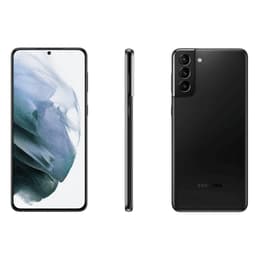
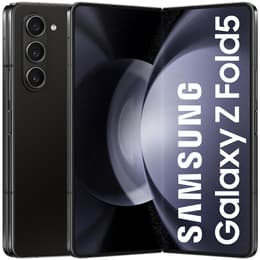
The Samsung Galaxy S21+ 5G, released in January 2021, is a traditional slab-style smartphone, offering a familiar and robust design. In contrast, the Samsung Galaxy Z Fold5, launched in August 2023, represents a significant departure with its innovative foldable form factor. The primary distinction lies in the Z Fold5's ability to transform from a compact smartphone into a larger, tablet-like device, while the S21+ 5G provides a consistent, single-screen experience. Both devices operate on the Android platform, offering access to a vast ecosystem of applications and services, though they differ in their approach to user interaction and display technology.
Colour
Storage
When considering the practical lifespan of these devices, their release timelines and software support policies are key factors. The Galaxy S21+ 5G, having been released in January 2021, has received its promised four major Android OS updates, concluding with Android 15, and its security updates are expected to transition to a quarterly schedule after January 2026. The Galaxy Z Fold5, released in August 2023, benefits from a more recent launch, ensuring major Android OS upgrades up to Android 17 and security updates until August 2028.
Release year
Compatible with latest Update
Operating system
Foldable
Both devices deliver capable performance for their respective generations, handling daily tasks and demanding applications efficiently. The differences in their internal components translate to varying levels of responsiveness and multitasking capabilities.
The display experience is a primary differentiator between these two Samsung smartphones, with one offering a traditional flat panel and the other a versatile folding screen.
Resolution
Screen type
Both the Galaxy S21+ 5G and the Galaxy Z Fold5 are equipped with versatile camera systems designed to capture a range of photographic and videographic content, though with some generational advancements in the newer foldable.
Main camera
Front camera
Beyond the core specifications, several practical elements contribute to the overall user experience and differentiate these two Samsung devices.
Weight
Screen size (in)
Network
SIM card
Carrier compatibility
The Samsung Galaxy S21+ 5G and Galaxy Z Fold5 cater to distinct user preferences, each excelling in different areas based on their design and capabilities. Users often praise the S21+ 5G for its consistent performance, reliable battery life, and robust, traditional smartphone build. Its flat display and comfortable handling are frequently highlighted as positives. Some criticisms for the S21+ 5G, particularly in its later years, might revolve around its camera system not being as advanced as newer flagships, and its software support cycle nearing its end.
The Galaxy Z Fold5, on the other hand, receives acclaim for its innovative foldable design, offering unparalleled multitasking capabilities and an immersive large-screen experience for media and productivity. Its powerful performance and improved hinge design are also strong points. Common concerns among users often include its higher weight and thickness when folded, the visible crease on the inner display, and the perceived durability of the foldable screen compared to traditional glass.
Users prioritizing a straightforward, durable, and long-lasting traditional smartphone experience with solid performance and battery life may find the Galaxy S21+ 5G well-suited to their needs. This device is a practical choice for those who value consistency and a familiar form factor. Conversely, individuals seeking cutting-edge technology, enhanced productivity through a larger screen, and a versatile device that adapts to different use cases will likely lean towards the Galaxy Z Fold5. It is ideal for power users, content creators, or anyone who desires a tablet-like experience in a pocketable form factor.
For those considering either device, exploring quality-assured refurbished options can provide an eco-friendly alternative, extending the life cycle of these advanced smartphones.