
Compare models
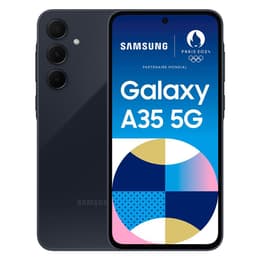
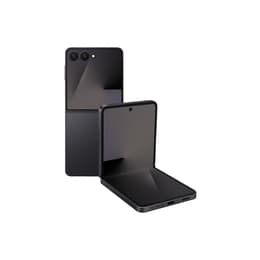
Galaxy A35 vs Galaxy Z Flip7
- 1-year warranty
- Free standard shipping
- Free 30-day returns
Differences at a glance
The Samsung Galaxy A35 (2024) and the Samsung Galaxy Z Flip7 (2025) represent two distinct approaches to modern smartphone engineering: a traditional mid-range slate design versus a high-end foldable form factor. While both run on the Android operating system with Samsung's user interface, they cater to different design preferences and everyday priorities. The primary differentiators between the two devices center on form factor versatility, internal processing capabilities, and physical durability profiles.
Available Models
Colour
Storage (GB)
Scores
Durability
When evaluating structural longevity and software support, both models benefit from Samsung's long-term update frameworks, though their physical construction introduces distinct maintenance considerations.
- Software Support and Updates: Both devices receive multi-year operating system and security patches, with the newer foldable model extending support further into the future due to its later release year.
- Physical Resilience: The Galaxy A35 utilizes a rigid slate body with fixed water and dust resistance ratings, whereas the Galaxy Z Flip7 features a folding hinge mechanism that requires mindful handling over years of daily folding cycles.
- Expected Lifespan: Traditional slate designs typically maintain structural predictability over time, while foldables rely on the long-term durability of flexible inner screens and moving hinge parts.
Release year
2024
2025
Operating system
Android
Android
Foldable
No
Yes
Performance
Underneath their outer shells, these devices offer contrasting levels of processing power and multitasking capacity suited for different intensities of everyday usage.
- System Responsiveness: The Galaxy Z Flip7 handles demanding applications, graphic-heavy gaming, and advanced multitasking swiftly with its current-generation processor and generous memory configuration, while the Galaxy A35 manages daily tasks, web browsing, and casual apps reliably with mid-tier hardware.
- Battery Behavior: The Galaxy A35 relies on a larger traditional battery capacity that easily sustains a full day of standard use, whereas the Galaxy Z Flip7 balances a more compact power cell across two separate displays during active unfolding periods.
- Storage Configurations: Both models provide ample space for apps and media, with the slate model offering expandable storage via memory cards, while the foldable model depends entirely on fixed internal storage capacities.
Screen quality
Visual output differs significantly between the fixed pane of the traditional model and the dual-screen configuration of the foldable alternative.
- Display Technology: The Galaxy A35 features a vibrant Super AMOLED flat screen with high brightness for clear outdoor viewing, while the Galaxy Z Flip7 offers a flexible inner AMOLED display paired with a large, functional outer cover screen for quick interactions.
- Refresh Rate and Smoothness: Both devices support high refresh rates, ensuring smooth scrolling through web pages, social feeds, and system menus.
- Viewing Experience: The foldable model introduces a creased folding display that alters media consumption and multitasking layouts, whereas the traditional slate model provides an uninterrupted, flat viewing plane.
Resolution
1080 x 2340
1080x2520
Audiovisual
Optics and multimedia performance vary based on hardware placement and specialized shooting configurations integrated into each chassis type.
- Camera Systems: The Galaxy A35 features a reliable multi-lens rear setup for standard and wide-angle photography, whereas the Galaxy Z Flip7 utilizes optimized high-resolution sensors paired with flexible folding angles for hands-free framing.
- Video and Low-Light Recording: Both phones capture clear footage in daylight conditions with effective stabilization, though the newer processor in the foldable device provides advanced image processing enhancements for challenging lighting.
- Media and Audio Output: Stereo speakers deliver balanced sound for calls and media playback on both devices, though neither includes a traditional headphone jack.
Miscellaneous
Physical dimensions, handling characteristics, and connectivity standards shape how each smartphone fits into daily routines and travel environments.
- Handling and Portability: The Galaxy A35 is a heavier, standard-sized slate device that requires standard pocket or bag space, whereas the Galaxy Z Flip7 folds compactly in half to occupy minimal pocket space during travel.
- Connectivity and Ports: Both models support current 5G networks, fast Wi-Fi standards, and Bluetooth pairing, utilizing reversible USB Type-C ports for charging and data transfer.
Weight
209 oz
188 oz
Screen size (in)
6.6
6.9
Network
5G
5G
SIM card
Dual Physical SIM
Physical SIM + eSIM
Carrier compatibility
Unlocked
Unlocked
What the community thinks
Choosing between these two smartphones depends heavily on personal device preferences and workflow habits. Users who prioritize a sturdy, traditional design with dependable all-day battery life and expandable storage will find the Galaxy A35 well-suited to their daily needs. Conversely, users prioritizing a compact folding footprint, advanced multitasking performance, and innovative cover-screen functionality may lean toward the Galaxy Z Flip7.
For those mindful of environmental impact, exploring a quality-assured refurbished option provides a sustainable way to access either of these models without compromising on functionality. Ultimately, matching your hardware choice to your specific daily usage patterns ensures long-term satisfaction with your device.