
Galaxy A14 5G vs Google Pixel 8a

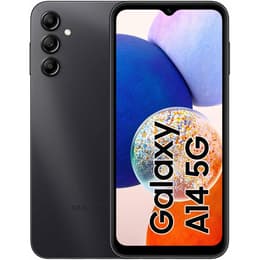
Galaxy A14 5G
Galaxy A14 5G
Starting at

Refurbished price:A$220.00

Versus A$280.00 new

See options
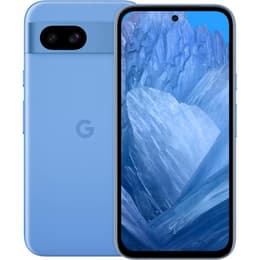
Google Pixel 8a
Google Pixel 8a
Starting at

Refurbished price:A$464.00

Versus A$938.69 new

See options

The Samsung Galaxy A14 5G, released in January 2023, and the Google Pixel 8a, launched in May 2024, are both Android smartphones designed to offer a balance of features and accessibility. While the Galaxy A14 5G focuses on a larger display and expandable storage, the Pixel 8a emphasizes advanced computational photography and extended software support. Both devices operate on the Android platform, providing users with a familiar and customizable experience.

Scores

Durability

When considering the long-term usability of these devices, their release timelines and software support policies are key factors.

  • Release Timeline: The Samsung Galaxy A14 5G was released in January 2023, making it an earlier model compared to the Google Pixel 8a, which launched in May 2024. This difference in release year impacts their respective software support cycles.
  • Software Longevity: The Pixel 8a offers a significantly longer software lifespan, promising seven years of operating system upgrades, security updates, and Pixel Feature Drops from its release date, extending support until at least 2031. In contrast, the Galaxy A14 5G is slated to receive two major Android OS upgrades (up to Android 15) and four years of security updates, with security patches continuing until 2027. This means the Pixel 8a will remain current with software and security for a considerably longer period.
  • Repairability: The Galaxy A14 5G generally presents a more straightforward repair process, earning a repairability score of 8 out of 10. It features an adhesive pull tab for the battery, making battery replacement easier, and some camera components can be replaced without a full teardown. The Pixel 8a, however, has a lower repairability score, around 4.5 out of 10, due to the use of strong adhesives for the back cover and battery, and a soldered charging port, which complicates repairs.

Release year

2023

2024

Compatible with latest Update

Yes

Yes

Operating system

Android

Android

Foldable

No

No

Performance

The performance of a smartphone is crucial for daily tasks, app usage, and overall responsiveness.

  • Processor Capabilities: The Google Pixel 8a is equipped with a more advanced processor, which allows for smoother handling of demanding applications, efficient multitasking, and enhanced AI-driven features. Users generally report that apps open quickly and animations are fluid. The Samsung Galaxy A14 5G features a processor that capably handles everyday tasks, though some users have noted slower loading times and occasional sluggishness with more intensive applications.
  • Multitasking and Responsiveness: With 8GB of RAM, the Pixel 8a provides ample capacity for running multiple applications simultaneously without significant slowdowns, contributing to a highly responsive user experience. The Galaxy A14 5G is available with various RAM configurations (4GB, 6GB, 8GB), with higher RAM options offering better multitasking capabilities, though the base models may show limitations when many apps are open.
  • Battery Behavior: The Galaxy A14 5G includes a larger 5000mAh battery, which Samsung suggests can last for an extended period on a single charge. However, some users have reported rapid battery drain. The Pixel 8a has a 4492mAh battery, and while it can typically last a full day for moderate users, heavy usage may require more frequent charging.

Memory (GB)

4 GB

8 GB

Screen quality

The display is a primary interface for smartphone interaction, and both devices offer distinct viewing experiences.

  • Display Technology and Clarity: The Google Pixel 8a features a 6.1-inch OLED display, which delivers deep blacks, vibrant colors, and excellent contrast, providing a rich visual experience for media consumption and general use. The Samsung Galaxy A14 5G utilizes a 6.6-inch PLS LCD panel. While it offers good clarity with its FHD+ resolution, it does not achieve the same level of contrast or color depth as an OLED screen.
  • Brightness and Outdoor Visibility: The Pixel 8a's display can reach a peak brightness of 2000 nits, making it highly visible even in bright outdoor conditions. The Galaxy A14 5G's LCD screen is generally less bright, which can make outdoor viewing more challenging, requiring users to increase brightness levels.
  • Refresh Rate and Smoothness: The Pixel 8a boasts a 120Hz refresh rate, contributing to smoother scrolling and a more fluid visual experience, particularly noticeable during gaming or navigating interfaces. The Galaxy A14 5G has a 90Hz refresh rate, which is an improvement over standard 60Hz displays and offers a reasonably smooth experience for most users.

Resolution

1080 x 2408

1080 x 2400

Screen type

PLS LCD

OLED

Audiovisual

Camera capabilities are a significant consideration for many users, and these phones approach photography differently.

  • Rear Camera System: The Google Pixel 8a features a dual-camera setup on the rear, including a 64MP main sensor with optical image stabilization (OIS) and a 13MP ultrawide lens. This system is known for its computational photography, delivering consistent image quality and a range of AI-powered features. The Samsung Galaxy A14 5G has a triple-camera array, with a 50MP main sensor, a 2MP depth sensor, and a 2MP macro lens. It lacks an ultrawide camera, which some users may find limiting.
  • Photography Performance: The Pixel 8a generally excels in various lighting conditions, producing detailed and well-exposed images. Its low-light performance is often praised. The Galaxy A14 5G performs well with still subjects in good lighting, but its performance can be mixed, especially with moving subjects or in challenging low-light environments.
  • Video Recording and Audio: Both devices are capable of recording quality video. The Pixel 8a offers 4K video recording at 30/60fps. The Pixel 8a's speakers are noted to be less loud than some competitors and can sound muffled at full volume. The Galaxy A14 5G provides a single bottom-firing speaker, which is adequate for casual listening but does not offer the immersive experience of stereo sound.

Main camera

50 megapixels

64 megapixels

Front camera

13 megapixels

13 megapixels

Miscellaneous

Beyond core features, several practical elements contribute to the overall user experience.

  • Connectivity Options: Both the Galaxy A14 5G and the Pixel 8a support 5G connectivity, enabling faster mobile data speeds. They also include modern Wi-Fi standards and Bluetooth for wireless connections. The Pixel 8a supports both Nano SIM and eSIM, offering flexibility for users.
  • Ports and Sensors: The Galaxy A14 5G includes a USB-C port for charging and data transfer, along with a 3.5mm headphone jack, which is a convenient feature for many users. It also has a side-mounted fingerprint sensor. The Pixel 8a features a USB-C port but omits the traditional headphone jack. It includes a fingerprint sensor for secure unlocking.
  • Build Materials and Handling: The Galaxy A14 5G has a plastic back and frame, contributing to its robust feel. It measures 167.7 x 78 x 9.1 mm and weighs 204g. The Pixel 8a also features a plastic back and Gorilla Glass 3 on the front. It is slightly more compact and lighter at 152.1 x 72.7 x 8.9 mm and 188g. Some users have noted the Pixel 8a's chunky display bezels.

Weight

201 oz

188 oz

Screen size (in)

6.6

6.1

Network

5G

5G

SIM card

Physical SIM

Physical SIM + eSIM

Carrier compatibility

Unlocked

Unlocked

User feedback for the Samsung Galaxy A14 5G often highlights its large battery capacity and the inclusion of a headphone jack as positive aspects. Some users appreciate its overall functionality for essential tasks, especially considering its positioning. However, common criticisms include its slower processor, which can lead to sluggish performance, and mixed camera results, particularly with moving subjects. Some users have also reported issues with overheating and rapid battery drain.

For the Google Pixel 8a, users frequently praise its advanced camera capabilities, consistent software experience, and the promise of extended software updates. The vibrant OLED display and smooth 120Hz refresh rate are also well-received. Conversely, criticisms often point to its slower charging speeds, noticeable display bezels, and some reports of the processor experiencing overheating and throttling under heavy use.

Users prioritizing long-term software support, advanced camera features, and a compact OLED display may find the Google Pixel 8a better suited to their needs. Those who value a larger screen, expandable storage, a headphone jack, and a more repairable design might lean towards the Samsung Galaxy A14 5G. Both devices offer a pathway to sustainable choices through refurbished options, providing quality-assured alternatives for consumers.


See all articles

Our recent comparisons