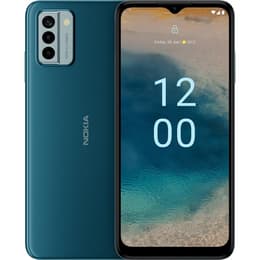

Galaxy A15 5G vs Nokia G22

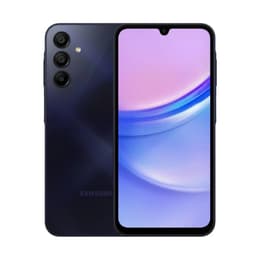
Galaxy A15 5G
Galaxy A15 5G
Starting at

Refurbished price:A$256.00

Versus A$329.00 new

See options
Nokia G22
Nokia G22
See options

The Samsung Galaxy A15 5G, released in December 2023, and the Nokia G22, launched in March 2023, are both Android smartphones designed for everyday use. While both devices offer a similar user experience with the Android operating system, they differentiate themselves through display technology, performance capabilities, and a distinct approach to device longevity and repairability.

Scores

Durability

When considering the long-term usability of a smartphone, factors like software support and physical repairability play a significant role. The Galaxy A15 5G and Nokia G22 present different philosophies in this regard.

  • Software Support: The Samsung Galaxy A15 5G launched with Android 14 and is slated to receive four generations of OS upgrades and five years of security updates, extending its software lifespan significantly. The Nokia G22, released earlier with Android 12, received updates up to Android 14, but its official OS update cycle has concluded, though it continued to receive security patches for three years.
  • Physical Durability & Repairability: The Nokia G22 stands out with its design for easier self-repair, partnering with iFixit to provide guides and parts for common fixes like screen, battery, and charging port replacements. This focus on user-led repairs can extend the practical lifespan of the device by addressing typical wear and tear. The Galaxy A15 5G features a glass front and plastic back and frame, offering standard durability for its class.
  • Expected Lifespan: Users prioritizing extended software support and the latest Android features will find the Galaxy A15 5G's update policy more appealing. Conversely, those who value the ability to perform basic repairs themselves to keep their device functional for longer may lean towards the Nokia G22, making it a potentially more sustainable choice.

Release year

2023

2023

Operating system

Android

Android

Foldable

No

No

Performance

The responsiveness and capability of a smartphone's internal components dictate how smoothly applications run and how effectively it handles daily tasks. Both the Galaxy A15 5G and Nokia G22 are designed for general use, but with differing underlying hardware.

  • Processing Power: The Galaxy A15 5G is equipped with a processor that provides a more responsive experience for demanding applications and multitasking compared to the Nokia G22. This translates to quicker app loading times and smoother transitions between various tasks. The Nokia G22's processor is suitable for essential daily activities like browsing, social media, and light gaming.
  • Memory and Storage: The Galaxy A15 5G offers a wider range of RAM configurations, including options up to 8GB, which can contribute to more fluid multitasking, alongside storage options up to 256GB. The Nokia G22 typically comes with 4GB of RAM and up to 128GB of internal storage. Both devices support expandable storage via a microSDXC card, allowing users to add more space for photos, videos, and apps.
  • Battery Performance: Both smartphones feature large 5000 mAh or 5050 mAh batteries, designed to provide ample power for a full day of typical use. The Galaxy A15 5G supports slightly faster wired charging at 25W, while the Nokia G22 supports 20W charging.

Memory (GB)

8 GB

4 GB

Screen quality

The display is a primary interface for any smartphone, influencing everything from media consumption to daily interactions. The Galaxy A15 5G and Nokia G22 utilize different display technologies, resulting in distinct visual experiences.

  • Display Technology and Resolution: The Samsung Galaxy A15 5G features a Super AMOLED display with a Full HD+ resolution (1080 x 2340 pixels), offering vibrant colors, deep blacks, and excellent contrast. In contrast, the Nokia G22 uses an IPS LCD panel with an HD+ resolution (720 x 1600 pixels). This difference means the A15 5G provides a sharper and more detailed image.
  • Brightness and Refresh Rate: The Galaxy A15 5G can reach a higher peak brightness of 800 nits in High Brightness Mode, making it more visible in bright outdoor conditions. The Nokia G22 has a typical brightness of 500 nits. Both devices feature a 90Hz refresh rate, contributing to smoother scrolling and a more fluid visual experience compared to standard 60Hz displays.
  • Screen Size and Protection: Both phones have a 6.5-inch display, providing a similar viewing area. The Nokia G22's screen is protected by Corning Gorilla Glass 3.

Resolution

1080x2340

720 x 1600

Audiovisual

For many users, the camera system is a crucial component of a smartphone, capturing everyday moments and special occasions. The Galaxy A15 5G and Nokia G22 both offer multi-camera setups with varying capabilities.

  • Rear Camera System: Both devices feature a 50-megapixel main wide-angle camera, capable of capturing detailed images in good lighting conditions. The Galaxy A15 5G includes an additional 5-megapixel ultrawide lens, which is useful for capturing broader scenes, and a 2-megapixel macro camera. The Nokia G22 includes a 2-megapixel macro lens and a 2-megapixel depth sensor.
  • Front Camera: For selfies and video calls, the Galaxy A15 5G is equipped with a 13-megapixel front camera, while the Nokia G22 has an 8-megapixel front camera.
  • Video Recording and Audio: Both phones are capable of recording video at 1080p resolution at 30 frames per second. For media consumption, both devices include a 3.5mm headphone jack.

Miscellaneous

Beyond the core specifications, several other features contribute to the overall user experience, including connectivity, physical design, and additional functionalities.

  • Connectivity: The Samsung Galaxy A15 5G supports 5G networks, offering faster mobile data speeds where available. The Nokia G22 supports 4G LTE connectivity. Both devices include Wi-Fi 802.11 a/b/g/n/ac (Wi-Fi 5) for dual-band wireless internet, Bluetooth (version 5.3 for A15 5G, 5.0 for G22), and NFC for contactless payments.
  • Ports and Sensors: Both smartphones feature a USB-C 2.0 port for charging and data transfer, and a 3.5mm headphone jack. For security, both devices incorporate a side-mounted fingerprint sensor.
  • Design and Handling: The Galaxy A15 5G measures 160.1 x 76.8 x 8.4 mm and weighs 200 grams. The Nokia G22 is slightly larger at 165 x 76.2 x 8.5 mm and weighs 195.2 grams. Both phones feature a plastic back and frame, with the A15 5G having a glass front and the G22 featuring Gorilla Glass 3 on the front.

Weight

200 oz

196 oz

Screen size (in)

6.5

6.5

Network

5G

4G

SIM card

Physical SIM

Dual Physical SIM

Carrier compatibility

Unlocked

Unlocked

User feedback for the Samsung Galaxy A15 5G often praises its vibrant Super AMOLED display and Samsung's commitment to long-term software updates, which are significant advantages for users who keep their phones for several years. Some general criticisms for devices in this category can include camera performance in challenging lighting or overall system performance when heavily multitasking. The Nokia G22 is frequently lauded for its unique focus on repairability, allowing users to replace common components themselves, which resonates with those seeking a more sustainable and self-sufficient approach to device ownership. However, its display resolution and shorter software update commitment are noted as areas where it differs from some competitors.

Users prioritizing a superior visual experience with a brighter, higher-resolution screen and a longer guaranteed software support period may find the Samsung Galaxy A15 5G better suited to their needs. This device is a strong contender for individuals who value consistent updates and a more vivid display for media consumption and daily interactions.

Conversely, users who prioritize the ability to repair their own device, contributing to a more eco-friendly approach to technology, will likely lean towards the Nokia G22. Its emphasis on user repairability makes it an appealing option for those who want to extend the physical lifespan of their phone through practical maintenance. Both devices offer a reliable Android experience, and choosing between them ultimately depends on whether a user values a more advanced display and extended software longevity, or the practical benefits of self-repair and a sustainable choice, such as a quality-assured refurbished option.


See all articles

Our recent comparisons