
Galaxy A15 5G vs iPhone SE (2022)

Galaxy A15 5G
Galaxy A15 5G
Starting at

Refurbished price:A$257.00

Versus A$329.00 new

See options
iPhone SE (2022)
iPhone SE (2022)
Starting at

Refurbished price:A$205.00

Versus A$719.00 new

See options

Ratings

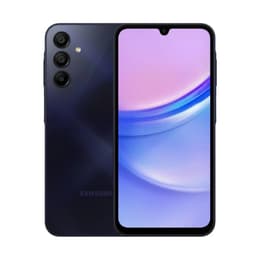
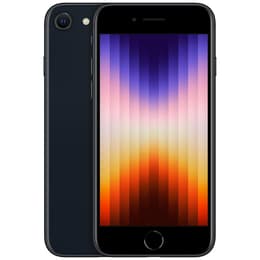
The Samsung Galaxy A15 5G, released in December 2023, and the Apple iPhone SE (2022), launched in March 2022, are both smartphones designed for everyday use. While the Galaxy A15 5G operates on Android with Samsung's One UI, the iPhone SE (2022) runs on Apple's iOS. A key differentiator lies in their design philosophy, with the Galaxy A15 5G featuring a larger, more modern display, and the iPhone SE (2022) retaining a compact form factor with a physical home button.

Scores

Durability

The longevity of a smartphone is influenced by its release timeline, software support, and physical durability. These two devices offer different approaches to long-term usability.

  • Release Timeline and Software Support: The Samsung Galaxy A15 5G, released in late 2023, ships with Android 14 and is promised four years of system updates and five years of security patches, extending its software relevance until approximately 2028-2029. The iPhone SE (2022), released in early 2022 with iOS 15, was discontinued in February 2025 but is expected to receive iOS updates for approximately 5-6 years from its launch, potentially until 2027-2028.
  • Repairability and Durability: The iPhone SE (2022) has a repairability score of 5.5 out of 10, with components like the battery and screen being relatively accessible for replacement, though specialized tools and adhesive dissolution are often required. It features stronger glass on the front and back, similar to the iPhone 13 series, and an IP67 rating for water and dust resistance. The Galaxy A15 5G features a plastic body and glass front with Dragontrail Pro glass protection for the display, but it lacks an official IP rating for water and dust resistance.
  • Expected Practical Lifespan: Users seeking the longest possible software support from the initial purchase date might find the Galaxy A15 5G slightly ahead due to its later release and Samsung's update commitment. However, both devices are designed to offer several years of reliable operation, with the iPhone SE (2022) benefiting from Apple's consistent, long-term software updates for its ecosystem.

Release year

2023

2022

Operating system

Android

iOS

Foldable

No

No

Performance

Performance in daily use is a critical aspect, and these two phones offer distinct experiences driven by their internal components and operating systems.

  • Processor Capabilities: The iPhone SE (2022) is equipped with a powerful processor that enables smooth handling of demanding applications, quick app loading, and fluid multitasking. Users report that it can manage numerous open tabs and graphically intensive tasks without significant slowdowns. The Galaxy A15 5G, while capable for everyday tasks, may exhibit noticeable delays when opening apps or navigating menus, particularly with multiple applications running simultaneously.
  • System Responsiveness and Multitasking: The iPhone SE (2022) provides a highly responsive user experience, with quick transitions and efficient handling of multiple applications due to its optimized software and hardware integration, including 4GB of RAM. The Galaxy A15 5G comes with 6GB or 8GB of RAM, but some users have reported occasional lag and slower multitasking, especially with the 4GB RAM variant, suggesting that its processor and software optimization may not match the iPhone SE's fluidity for heavy usage.
  • Battery Behavior: The Galaxy A15 5G features a larger 5000mAh battery, which generally translates to extended usage times, with some reports indicating it can last through a full day of moderate to heavy use. The iPhone SE (2022) has a smaller battery capacity (2018 mAh), and while its efficient processor helps, some users find its battery life to be middling, requiring more frequent charging for heavy users.

Memory (GB)

8 GB

4 GB

Screen quality

The visual experience is largely defined by the display, and the Galaxy A15 5G and iPhone SE (2022) present different screen technologies and sizes.

  • Display Technology and Clarity: The Samsung Galaxy A15 5G features a 6.5-inch Super AMOLED display with a resolution of 2340x1080 pixels (FHD+), offering vibrant colors, deep blacks, and good clarity. The iPhone SE (2022) uses a smaller 4.7-inch Retina HD LCD display with a resolution of 1334x750 pixels, providing clear visuals with accurate color reproduction, though it does not achieve the same contrast levels as an OLED panel.
  • Brightness and Refresh Rate: The Galaxy A15 5G's Super AMOLED screen can reach up to 800 nits in high brightness mode and offers a 90Hz refresh rate, contributing to smoother scrolling and a more fluid visual experience. The iPhone SE (2022) has a standard 60Hz refresh rate and a typical brightness that is suitable for most indoor and outdoor conditions, but it may not be as bright as the Galaxy A15 5G in direct sunlight.
  • Screen Size and Viewing Experience: The larger 6.5-inch display of the Galaxy A15 5G provides a more expansive viewing area, which can enhance media consumption and multitasking. The iPhone SE (2022)'s 4.7-inch screen offers a compact and easily manageable form factor, ideal for one-handed use and users who prefer a smaller device.

Resolution

1080x2340

750 x 1334

Audiovisual

Camera capabilities are a significant factor for many users, and both devices offer competent photography and videography, albeit with different strengths.

  • Rear Camera System: The Samsung Galaxy A15 5G features a triple-camera setup on the rear, including a 50-megapixel main sensor, a 5-megapixel ultrawide lens, and a 2-megapixel macro camera. It produces decent photos in bright conditions with good color balance, and the ultrawide lens adds versatility. The iPhone SE (2022) has a single 12-megapixel wide-angle rear camera with optical image stabilization. It excels in good lighting, producing images with strong detail, accurate colors, and good dynamic range, often benefiting from its advanced computational photography.
  • Low-Light Performance and Features: The Galaxy A15 5G's camera performs adequately in well-lit environments, but low-light performance can be challenging, with some noise appearing. The iPhone SE (2022) lacks a dedicated Night Mode, which means photos taken in dimly lit environments can appear dark and grainy compared to devices with this feature.
  • Video Recording and Front Camera: Both phones are capable of recording video. The Galaxy A15 5G can record 1080p video at 30 frames per second, and has a 13-megapixel front camera. The iPhone SE (2022) can record 4K video at up to 60 frames per second with good stabilization, and its 7-megapixel front camera performs well in good lighting conditions.

Miscellaneous

Beyond the core features, several practical elements contribute to the overall user experience and differentiate these two smartphones.

  • Connectivity and Ports: Both devices support 5G connectivity, offering faster mobile data speeds. The Galaxy A15 5G includes a USB-C port and retains a 3.5mm headphone jack, providing traditional audio connectivity. The iPhone SE (2022) uses Apple's proprietary Lightning port and does not have a headphone jack, requiring adapters for wired headphones.
  • Biometric Security: The iPhone SE (2022) features Touch ID, integrated into its physical home button, for secure fingerprint recognition. The Galaxy A15 5G incorporates a side-mounted fingerprint sensor for unlocking the device.
  • Design and Handling: The iPhone SE (2022) maintains a compact and lightweight design, weighing 144 grams and measuring 138.4 x 67.3 x 7.3mm, making it easy for one-handed use and pocketability. The Galaxy A15 5G is larger and slightly heavier at 200 grams and dimensions of 160.1 x 76.8 x 8.4mm, offering a more substantial feel and a larger screen-to-body ratio.

Weight

200 oz

144 oz

Screen size (in)

6.5

4.7

SIM card

Physical SIM

Physical SIM + eSIM

Carrier compatibility

Unlocked

Unlocked

The Samsung Galaxy A15 5G and iPhone SE (2022) cater to different user preferences, each offering a distinct set of advantages. User sentiment for the Galaxy A15 5G often praises its vibrant Super AMOLED display, long battery life, and the inclusion of a headphone jack and expandable storage. However, some users have noted that its performance can be sluggish, particularly when multitasking or running demanding applications, and its camera, while decent, may not impress in all conditions.

Conversely, the iPhone SE (2022) is frequently lauded for its powerful processor, which delivers a consistently smooth and responsive experience, even with intensive tasks. Its compact size and long-term software support are also strong positives for many. Criticisms often revolve around its dated design with large bezels, the smaller LCD display compared to modern phones, and its less impressive battery life for heavy users. The absence of a Night Mode for its camera is also a common point of concern.

Users prioritizing a large, vibrant display, extended battery life, and the flexibility of Android with traditional features like a headphone jack and expandable storage may find the Samsung Galaxy A15 5G well-suited to their needs. This device is a practical choice for those who engage in moderate daily usage and media consumption. On the other hand, individuals who value a compact form factor, exceptional processing power for demanding apps, and the long-term software commitment of iOS will likely prefer the iPhone SE (2022). It is particularly appealing to users who appreciate a highly responsive system and consistent performance over a larger screen or advanced camera features.

For those considering either of these devices, exploring quality-assured refurbished options can be an eco-friendly alternative, providing access to these technologies while supporting sustainable consumption.
See all articles

Our recent comparisons