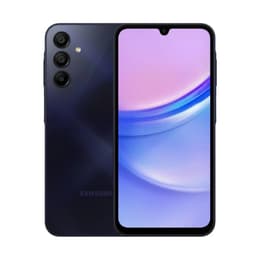
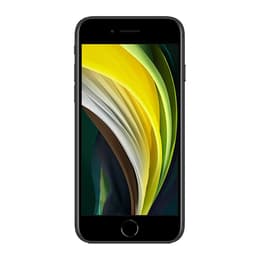

Galaxy A15 5G vs iPhone SE (2020)

Galaxy A15 5G
Galaxy A15 5G
Starting at

Refurbished price:A$257.00

Versus A$329.00 new

See options
iPhone SE (2020)
iPhone SE (2020)
Starting at

Refurbished price:A$108.00

Versus A$529.00 new

See options

Ratings

The Samsung Galaxy A15 5G, released in December 2023, and the iPhone SE (2nd generation), launched in April 2020, represent distinct approaches to smartphone design and functionality. While the Galaxy A15 5G offers a larger, more modern display and extensive battery life, the iPhone SE 2020 prioritizes a compact form factor and robust processing power. Both devices operate on different ecosystems, with the Galaxy A15 5G running Android and the iPhone SE 2020 running iOS, influencing their user experience and software longevity.

Scores

Durability

The practical lifespan and software support differ between these two devices due to their release timelines and manufacturer policies.

  • Release Timeline: The iPhone SE 2020 was released in April 2020, making it an older device compared to the Galaxy A15 5G, which launched in December 2023.
  • Software Longevity: The Galaxy A15 5G is slated to receive four major Android OS upgrades and five years of security updates, extending its support until approximately 2029. The iPhone SE 2020, while older, has a history of receiving long-term iOS updates, typically 5-7 years, and is currently running iOS 26.3.1 as of March 2026, with expectations for continued support for a few more years.
  • Repairability: The iPhone SE 2020 received an iFixit repairability score of 6 out of 10, indicating that common components like the display and battery are relatively accessible for repair. Information regarding a specific iFixit score for the Galaxy A15 5G is not readily available, though repair guides exist, suggesting some level of repairability.

Release year

2023

2020

Operating system

Android

iOS

Foldable

No

No

Performance

Performance capabilities vary significantly, with the iPhone SE 2020 offering a more powerful processing experience for its age, while the Galaxy A15 5G provides adequate performance for everyday tasks.

  • Processing Power: The iPhone SE 2020 is equipped with a processor that, at its release, was considered flagship-level, allowing for very smooth operation, quick app loading, and efficient handling of demanding applications. The Galaxy A15 5G features a mid-range processor that capably handles daily tasks like browsing and social media, though some users may notice slight delays or slower responsiveness with heavy multitasking or graphically intensive games.
  • Multitasking and Storage: The iPhone SE 2020 comes with 3GB of RAM, which, combined with its optimized operating system, allows for efficient multitasking. The Galaxy A15 5G offers configurations with 4GB, 6GB, or 8GB of RAM, with the 4GB model potentially showing limitations when running multiple applications simultaneously. Both devices offer various internal storage options, but only the Galaxy A15 5G supports expandable storage via a microSD card.
  • Battery Behavior: The Galaxy A15 5G includes a substantial 5000mAh battery, generally providing solid battery life that can last through extended periods of use. The iPhone SE 2020 has a smaller 1821mAh battery, which typically offers average battery life, often requiring heavy users to recharge during the day.

Memory (GB)

8 GB

3 GB

Screen quality

The display experience differs notably, with the Galaxy A15 5G offering a larger, more vibrant screen with a higher refresh rate, while the iPhone SE 2020 provides a compact, color-accurate display.

  • Display Technology and Size: The Galaxy A15 5G features a 6.5-inch Super AMOLED display, known for its deep blacks and vibrant colors, providing an immersive viewing experience. The iPhone SE 2020 has a smaller 4.7-inch IPS LCD Retina HD display, which offers accurate color reproduction but does not achieve the same contrast levels as an AMOLED panel.
  • Resolution and Refresh Rate: The Galaxy A15 5G boasts a 1080x2340 pixel resolution and a 90Hz refresh rate, contributing to smoother scrolling and a clearer visual experience. The iPhone SE 2020 has a 1334x750 pixel resolution with a standard 60Hz refresh rate, which is sufficient for everyday use but less fluid than higher refresh rate displays.
  • Brightness and Outdoor Visibility: Both devices offer adequate brightness for indoor use. The Galaxy A15 5G can reach up to 800 nits in High Brightness Mode, making it visible in sunny conditions. The iPhone SE 2020 has a peak brightness of 625 nits, which is generally good but may be less comfortable for prolonged outdoor viewing in direct sunlight.

Resolution

1080x2340

750 x 1334

Audiovisual

The camera systems present different strengths, with the Galaxy A15 5G offering more lens versatility and the iPhone SE 2020 excelling in video recording and single-lens image processing.

  • Rear Camera System: The Galaxy A15 5G features a triple-camera setup, including a 50MP main lens, a 5MP ultrawide lens, and a 2MP macro lens, providing options for various photography scenarios. The iPhone SE 2020 relies on a single 12MP wide-angle camera with optical image stabilization, which, despite being a single lens, benefits from advanced image processing.
  • Photography Features: The Galaxy A15 5G delivers decent photos in bright conditions with good color balance and improved corrections for darker environments. However, it lacks 4K video recording, maxing out at 1080p at 30 frames per second. The iPhone SE 2020, while lacking an ultrawide lens and Night Mode, offers excellent 4K video recording at up to 60 frames per second and a portrait mode that works well for people.
  • Front Camera and Audio: Both devices feature capable front-facing cameras for selfies and video calls, with the Galaxy A15 5G having a 13MP sensor and the iPhone SE 2020 a 7MP sensor. For audio, the iPhone SE 2020 includes stereo speakers, providing a more immersive sound experience, whereas the Galaxy A15 5G has a single bottom-firing speaker.

Miscellaneous

Beyond core features, these devices offer distinct practical elements in terms of connectivity, physical design, and security.

  • Connectivity and Ports: The Galaxy A15 5G supports 5G networks, offering faster mobile data speeds, and includes a USB-C port for charging and data transfer, along with a traditional 3.5mm headphone jack. The iPhone SE 2020 is limited to 4G LTE connectivity and uses Apple's proprietary Lightning port, omitting a headphone jack.
  • Physical Design and Handling: The Galaxy A15 5G features a larger build with a plastic body and glass front, weighing 200 grams. Its dimensions are 160.1 x 76.8 x 8.4 mm. The iPhone SE 2020 is more compact and lighter at 148 grams, with a glass front and back and an aluminum frame, measuring 138.4 x 67.3 x 7.3 mm. The iPhone SE 2020's design includes larger bezels and a physical home button with Touch ID.
  • Security and Durability Features: The iPhone SE 2020 offers IP67 water and dust resistance, providing protection against splashes and submersion. It uses Touch ID for biometric security. The Galaxy A15 5G does not have an official IP rating, meaning it lacks certified water and dust resistance. It typically features a side-mounted fingerprint sensor for security.

Weight

200 oz

148 oz

Screen size (in)

6.5

4.7

Network

5G

4G

SIM card

Physical SIM

Physical SIM + eSIM

Carrier compatibility

Unlocked

Unlocked

Users frequently praise the Samsung Galaxy A15 5G for its vibrant AMOLED display, long-lasting battery, and the inclusion of a headphone jack and expandable storage. However, common criticisms include its sometimes sluggish performance with demanding tasks, the single bottom-firing speaker, and the absence of 4K video recording. The iPhone SE 2020 is often lauded for its powerful processor, smooth iOS experience, and excellent video recording capabilities. Its compact size is a point of both praise for one-handed use and criticism for those preferring larger screens, and its average battery life is a frequent concern.

Users prioritizing a modern, large display with a high refresh rate, extensive battery life, and the flexibility of expandable storage and a headphone jack may find the Galaxy A15 5G well-suited to their needs. This device is also a strong contender for those who value long-term Android software support. Conversely, users who prefer a compact phone for easy one-handed use, demand robust processing power for a consistently fluid experience, and prioritize high-quality video recording will likely lean towards the iPhone SE 2020. Its established iOS ecosystem and strong long-term software update history are also key considerations. Both devices offer a quality-assured refurbished option, providing an eco-friendly alternative for consumers.

See all articles

Our recent comparisons