
Compare models
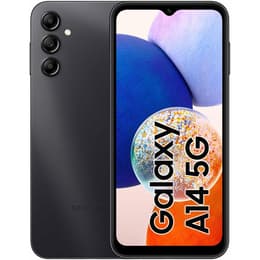
Galaxy A14 vs iPhone SE (2022)
- 1-year warranty
- Free standard shipping
- Free 30-day returns
Differences at a glance
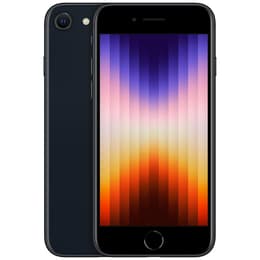
The Samsung Galaxy A14, released in early 2023, and the iPhone SE 2022, launched in March 2022, represent distinct approaches to smartphone design and functionality. While the Galaxy A14 operates on Android and offers a larger display with a versatile camera setup, the iPhone SE 2022 runs on iOS and prioritizes a compact form factor with powerful internal processing. These devices cater to different user preferences, with the A14 focusing on screen real estate and battery capacity, and the iPhone SE emphasizing a familiar design and robust performance within the Apple ecosystem.
Available Models
Colour
Storage (GB)
Scores
Durability
When considering the longevity of these devices, their release timelines and software support policies are key factors.
- Release Timeline: The iPhone SE 2022 was released in March 2022, while the Samsung Galaxy A14 (5G model) followed in January 2023, making the Galaxy A14 slightly newer.
- Software Support: Apple typically provides iOS updates for 5-6 years from a device's release, meaning the iPhone SE 2022 can expect continued software support for several more years. Samsung generally offers a good software update policy for its A-series, with the Galaxy A14 launching with Android 13 and receiving several years of updates.
- Repairability: The Samsung Galaxy A14 has a notable repairability score of 8 out of 10, partly due to the use of adhesive pull tabs for the battery, making replacements easier. The iPhone SE 2020, a predecessor with a similar design, received a repairability score of 6 out of 10, with screen replacements being a common repair.
Release year
2023
2022
Compatible with latest Update
No
Yes
Operating system
Android
iOS
Foldable
No
No
Performance
The performance of these two smartphones varies significantly due to their underlying hardware and operating systems.
- Processing Power: The iPhone SE 2022 is equipped with a powerful current-generation processor, allowing it to handle demanding applications, complex games, and intensive multitasking with considerable responsiveness. The Galaxy A14, depending on the model, uses a mid-range processor that provides satisfactory performance for everyday tasks and general use.
- System Responsiveness: Users of the iPhone SE 2022 can expect a very fluid and responsive experience across the iOS operating system, with quick app loading and smooth transitions. The Galaxy A14 offers a capable experience for typical smartphone usage, though it may not match the instantaneous feel of higher-end devices during heavy loads.
- Battery Behavior: The Galaxy A14 features a large battery capacity, often providing up to two days of use with moderate activity. The iPhone SE 2022, despite having a smaller battery capacity, benefits from an efficient processor and software optimizations, typically lasting a full day for average users.
- Storage and RAM: Both devices offer various internal storage options, with the Galaxy A14 providing the added flexibility of expandable storage via a microSD card, which is not available on the iPhone SE 2022. The iPhone SE 2022 comes with 4GB of RAM, while the Galaxy A14 offers 4GB or 6GB RAM configurations.
Screen quality
The visual experience on these phones is shaped by their distinct display technologies and sizes.
- Display Technology and Size: The Samsung Galaxy A14 features a larger 6.6-inch PLS LCD display, offering a more expansive viewing area. The iPhone SE 2022 has a more compact 4.7-inch Retina HD LCD display.
- Resolution and Clarity: The Galaxy A14 provides a Full HD+ resolution (1080x2408 pixels), resulting in sharp images and text with a pixel density of around 400 ppi. The iPhone SE 2022's display has a resolution of 1334x750 pixels, with a pixel density of 326 ppi, which still offers clear visuals for its size.
- Refresh Rate: The 5G model of the Galaxy A14 includes a 90Hz refresh rate, contributing to smoother scrolling and a more fluid visual experience compared to standard 60Hz screens. The iPhone SE 2022 maintains a standard 60Hz refresh rate.
- Brightness: The iPhone SE 2022's display offers a maximum brightness of 625 nits, providing good visibility in various lighting conditions. The Galaxy A14's display peaks at around 500 nits, which can sometimes be a struggle to view in bright sunlight.
Resolution
1080 x 2408
750 x 1334
Screen type
PLS LCD
Retina IPS LCD
Audiovisual
The camera capabilities of the Galaxy A14 and iPhone SE 2022 cater to different photographic needs and expectations.
- Rear Camera System: The Samsung Galaxy A14 (4G model) features a triple rear camera setup, including a 50MP main sensor, a 5MP ultrawide lens, and a 2MP macro lens, offering versatility for different shot types. The 5G model typically replaces the ultrawide with a 2MP depth sensor. The iPhone SE 2022 has a single 12MP wide-angle rear camera with optical image stabilization (OIS).
- Photography Performance: The Galaxy A14 performs well in good lighting conditions, capturing decent detail and color, but it lacks a dedicated night mode, which impacts low-light performance. The iPhone SE 2022 also excels in well-lit environments, producing good images with accurate colors and dynamic range, but it similarly lacks a night mode, leading to darker and grainier low-light photos.
- Video Recording: Both devices are capable of recording video at 1080p resolution at 30 frames per second. The iPhone SE 2022 can also record up to 4K at 60 frames per second, offering higher quality video capture.
- Front Camera: The Galaxy A14 is equipped with a 13MP front-facing camera. The iPhone SE 2022 features a 7MP front-facing camera.
- Audio Experience: The Galaxy A14 typically features a single downward-firing speaker, providing mono audio. The iPhone SE 2022 offers stereo speakers for a more immersive audio experience.
Main camera
50 megapixels
12 megapixels
Front camera
13 megapixels
7 megapixels
Miscellaneous
Beyond core specifications, several practical elements differentiate these two smartphones in daily use.
- Connectivity Standards: The iPhone SE 2022 supports Wi-Fi 6 and Bluetooth 5, along with 5G cellular connectivity. The Galaxy A14 (5G model) also supports 5G, Wi-Fi 5 (802.11ac), and Bluetooth 5.2.
- Physical Ports: The Galaxy A14 includes a 3.5mm headphone jack and a USB-C port for charging and data transfer. The iPhone SE 2022 uses a Lightning port and does not feature a headphone jack.
- Biometric Security: The iPhone SE 2022 relies on Touch ID, an integrated fingerprint sensor within its physical home button. The Galaxy A14 utilizes a side-mounted fingerprint sensor for secure unlocking.
- Build Materials and Dimensions: The iPhone SE 2022 features a glass front and back with an aluminum frame, and it has an IP67 rating for water and dust resistance. It is also more compact and lighter, measuring 138.4 x 67.3 x 7.3 mm and weighing 144g. The Galaxy A14 has a plastic back and frame, with no official IP rating, and is larger and heavier at 167.7 x 78 x 9.1 mm and around 201-202g.
Weight
201 oz
144 oz
Screen size (in)
6.6
4.7
SIM card
Physical SIM
Physical SIM + eSIM
Carrier compatibility
Unlocked
Unlocked
What the community thinks
User sentiment for the Samsung Galaxy A14 often highlights its strong battery life and large display as significant advantages, making it suitable for media consumption and extended use without frequent charging. Common criticisms sometimes point to its performance not being as fluid as higher-end devices and the camera's limitations in low-light conditions. The iPhone SE 2022 is frequently praised for its powerful internal components, delivering flagship-level speed and responsiveness in a compact form factor. However, users often note its dated design, including thick bezels and a smaller screen, and the absence of a dedicated night mode for its camera as drawbacks.
Users prioritizing a large screen, long battery life, and expandable storage for media and general productivity may find the Samsung Galaxy A14 well-suited to their needs. Its Android operating system also offers greater customization. Conversely, users who value a compact device with exceptional processing power, a familiar iOS experience, and robust long-term software support will likely lean towards the iPhone SE 2022. It is particularly appealing for those already invested in the Apple ecosystem or who prefer a smaller phone with strong performance for everyday tasks and light gaming. Both devices offer reliable performance for their intended audiences, and choosing a quality-assured refurbished option for either model can provide an eco-friendly alternative for consumers.