Compare models
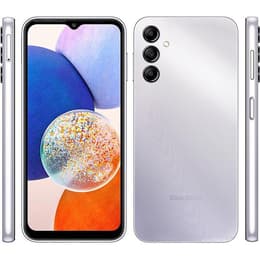
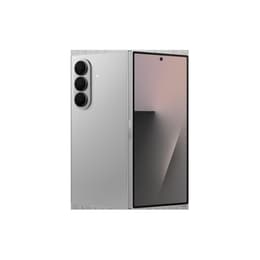
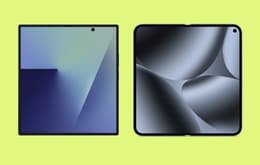
Galaxy A14 vs Galaxy Z Fold7
- 1-year warranty
- Free standard shipping
- Free 30-day returns
Differences at a glance
The Samsung Galaxy A14 (2023) and the Samsung Galaxy Z Fold7 (2025) represent fundamentally different device categories within the smartphone market, contrasting a traditional entry-level candybar phone with a cutting-edge book-style foldable flagship. While both run on the Android operating system with Samsung's user interface overlay, they cater to entirely distinct form factors, engineering philosophies, and user expectations. The primary differentiators span physical design mechanics, technological sophistication, and intended everyday utility.
Available Models
Colour
Storage
Scores
Durability
Device longevity and software support schedules differ significantly based on release timelines and product tier positioning.
- Release timeline and support: The Galaxy Z Fold7 benefits from a much newer launch date, granting a prolonged software update lifecycle, whereas the Galaxy A14 is further along its support window.
- Build engineering and repairs: The Galaxy A14 relies on a fixed rigid plastic chassis that handles accidental drops straightforwardly, while the Galaxy Z Fold7 incorporates sophisticated folding hinge mechanisms that require specialized handling and maintenance.
- Practical lifespan: Users can expect high-end internal components to maintain functional relevance over many years, though physical wear patterns on foldable panels differ from standard glass-and-plastic slabs.
Release year
2023
2025
Operating system
Android
Android
Foldable
No
Yes
Performance
Processing power and multitasking capabilities reflect the gap between a standard daily-use device and an advanced mobile powerhouse.
- System responsiveness: The Galaxy Z Fold7 handles demanding apps, heavy multitasking, and modern gaming seamlessly, whereas the Galaxy A14 manages routine daily messaging, web browsing, and light media streaming at a more measured pace.
- Memory and storage: Generous high-tier RAM configurations on the foldable allow numerous apps to remain active simultaneously, compared to more modest memory allocations on the entry-level model.
- Battery behavior: Both devices manage typical daily routines reliably, though intensive use of large dual displays on the foldable demands more frequent recharging than the standard slab screen.
Screen quality
Display technology creates one of the most striking visual contrasts between the two devices.
- Panel technology: The Galaxy Z Fold7 features vibrant dynamic OLED technology across both its internal folding canvas and outer cover screen, offering deep blacks and high contrast. The Galaxy A14 utilizes a standard PLS LCD panel providing clear, functional everyday viewing.
- Outdoor visibility: Peak brightness capabilities on the flagship foldable allow for comfortable viewing under direct sunlight, while the entry-level screen requires extra shielding outdoors.
- Viewing experience: The expansive tablet-sized unfolding screen transforms media consumption and document reading, whereas the traditional layout provides a familiar single-handed grasp.
Resolution
1080 x 2408
1968x2184
Audiovisual
Imaging hardware and multimedia output span casual snapshots to advanced multi-lens photography systems.
- Camera versatility: The Galaxy Z Fold7 includes an advanced multi-lens array with high-resolution primary sensors and optical zoom capabilities, while the Galaxy A14 provides a dependable main camera accompanied by basic supplementary sensors.
- Low-light and video: Advanced image processing on the flagship captures sharper details in challenging lighting conditions and supports high-resolution video recording formats.
- Audio output: Stereo speaker configurations on both models deliver clear sound for calls and media, with the larger chassis of the foldable providing richer acoustic depth. Factual quality-assured refurbished options on Back Market provide access to advanced photography suites sustainably.
Miscellaneous
Physical handling, connectivity standards, and daily ergonomics highlight contrasting daily use styles.
- Dimensions and weight: The Galaxy A14 features a traditional thicker profile, whereas the Galaxy Z Fold7 achieves a remarkably thin folded profile while balancing a larger overall footprint when opened.
- Connectivity standards: The flagship includes modern wireless communication standards and faster data transfer protocols, alongside standard 5G connectivity available on compatible variants of both lines.
- Authentication and ports: Both utilize secure biometric unlocking methods tailored to their respective chassis designs, paired with standard modern USB connection ports.
Weight
201 oz
215 oz
Screen size (in)
6.6
8.0
Network
4G
5G
SIM card
Dual Physical SIM
Dual Physical SIM + eSIM
Carrier compatibility
Unlocked
Unlocked
What the community thinks
User feedback highlights distinct preferences for each device based on everyday requirements. Owners of the Galaxy A14 frequently praise its straightforward reliability, expandable storage support, and uncomplicated daily operation for standard communication tasks. Conversely, users of the Galaxy Z Fold7 appreciate the transformative screen space for productivity and media, though some note the unique weight distribution and folding maintenance considerations inherent to foldable technology. Users prioritizing a simple, dependable, and traditional phone for essential daily tasks will find the Galaxy A14 well-suited to their needs. Meanwhile, users prioritizing expansive multitasking screen space, advanced processing power, and cutting-edge mobile engineering will lean toward the Galaxy Z Fold7. Choosing a quality-assured refurbished option through Back Market further enables a sustainable choice that aligns electronic performance with eco-conscious values.