
Dell Latitude 7200 2-in-1 12" vs Microsoft Surface Pro 6 12"

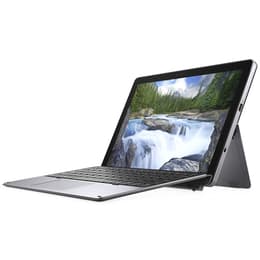
Dell Latitude 7200 2-in-1 12"
See options
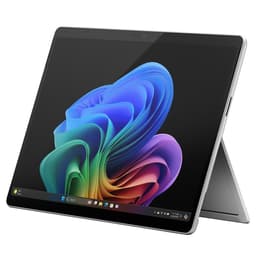
Microsoft Surface Pro 6 12"
See options

The Dell Latitude 7200 2-in-1, released in 2019, and the Microsoft Surface Pro 6, launched in 2018, are both versatile Windows-based devices designed to function as both a laptop and a tablet. While they share a similar form factor and operating system, key differences lie in their port selection, display resolution, and integrated design elements. Both devices aim to offer productivity and portability for users seeking a flexible computing experience.

Scores

Durability

The Dell Latitude 7200 2-in-1, being released a year later in 2019, generally benefits from an extended period of software support compared to the Microsoft Surface Pro 6, which launched in 2018. Both devices run on the Windows operating system, ensuring regular security updates and feature enhancements from Microsoft for several years. However, the newer release date of the Latitude 7200 2-in-1 means it will likely receive major Windows version updates for a slightly longer duration. In terms of physical durability, both devices feature robust magnesium alloy chassis. Repairability scores can vary, but both are designed with components that can be serviced by professionals, contributing to their practical lifespan. Users can expect several years of reliable operation from either device, especially when considering a quality-assured refurbished option.

  • Release Timeline: The Dell Latitude 7200 2-in-1 was released in 2019, a year after the Microsoft Surface Pro 6's 2018 launch, potentially offering a longer window for software updates.
  • Software Longevity: Both devices run Windows, providing consistent security and feature updates, though the Latitude 7200 2-in-1 may receive major OS upgrades for a slightly extended period. The Surface Pro 6's firmware and driver updates ceased in June 2023, and Windows 10 support ends in October 2025.
  • Build Quality: Both models utilize a magnesium alloy construction, contributing to their overall durability and expected practical lifespan under typical usage conditions.

Release year

2019

2017

Last Os Compatibility

Yes

Yes

Operating system

Windows 11

Windows 11

Performance

Both the Dell Latitude 7200 2-in-1 and the Microsoft Surface Pro 6 are equipped with 8th generation Intel Core processors, providing capable performance for everyday computing tasks and moderate workloads. The choice between these devices for performance often comes down to specific configurations and how they handle sustained workloads over time. Both offer a responsive experience for general use.

  • Everyday Responsiveness: Both devices offer smooth performance for web browsing, document editing, and common productivity applications. They handle multitasking effectively, allowing users to switch between several open programs without significant slowdowns, supported by their available RAM configurations.
  • Demanding Applications: For more intensive tasks such as photo editing, light video work, or running specialized business software, both devices can manage these demands. However, sustained heavy loads might reveal slight differences in thermal management, which can impact performance consistency over longer periods.
  • Storage and Multitasking: Both models offer various SSD storage options, ranging up to 1TB, ensuring quick application loading and fast file access. With up to 16GB of RAM available, they are well-suited for users who frequently work with multiple applications simultaneously.

Memory (GB)

16 GB

8 GB

Processor

Core i5 - Gen 8 (U)

Core i7 - Gen 8 (U)

Graphic card

Integrated Graphics

Integrated Graphics

Screen quality

The visual experience on both the Dell Latitude 7200 2-in-1 and the Microsoft Surface Pro 6 is characterized by their 12.3-inch touch displays with a productivity-oriented 3:2 aspect ratio. While similar in physical size, there are notable distinctions in their resolution and the overall clarity they offer for different viewing scenarios.

  • Display Technology and Clarity: The Surface Pro 6 features a higher-resolution PixelSense display (2736 x 1824 pixels) compared to the Latitude 7200 2-in-1's Full HD+ display (1920 x 1280 pixels). This difference results in a noticeably sharper image on the Surface Pro 6, which can be beneficial for detailed graphical work, reading small text, and enjoying high-definition media.
  • Brightness and Outdoor Use: Both screens offer sufficient brightness for comfortable indoor use. However, the Surface Pro 6's display generally provides better peak brightness, which can enhance visibility and reduce glare when working in brighter environments or outdoors.
  • Touch Responsiveness and Pen Support: Both devices offer highly responsive touch input, making them intuitive for direct interaction. They also support active pens (often sold separately), which are valuable tools for note-taking, sketching, and precise navigation, catering to creative and professional users alike.

Resolution

1920 x 1080

2736 x 1824

Screen type

LED

IPS

Camera

Audiovisual

Both the Dell Latitude 7200 2-in-1 and the Microsoft Surface Pro 6 are equipped with front and rear cameras, primarily designed for video conferencing and occasional document scanning rather than high-end photography. Their camera specifications are quite similar, offering comparable performance in typical usage scenarios.

  • Video Conferencing: Both devices feature a 5-megapixel front-facing camera, providing clear image quality for video calls and online meetings in well-lit conditions.
  • Rear Camera Utility: The 8-megapixel rear camera on both models is suitable for quick document scans or capturing reference photos, performing adequately in good lighting.
  • Audio for Communication: Both devices include integrated microphones that capture clear audio for calls and recordings, and their built-in stereo speakers are sufficient for media consumption and conference calls.

Miscellaneous

When considering the practical elements beyond core performance and display, the Dell Latitude 7200 2-in-1 and the Microsoft Surface Pro 6 present different approaches to connectivity, physical design, and user interaction. These distinctions can significantly influence how users integrate the devices into their daily workflows and what peripherals they can easily connect.

  • Connectivity Options: The Latitude 7200 2-in-1 offers more modern and versatile connectivity with two Thunderbolt 3 (USB-C) ports, alongside a traditional USB 3.1 Gen 1 (Type-A) port, and supports Wi-Fi 802.11ac and Bluetooth 5.0. The Surface Pro 6 includes a single USB 3.0 (Type-A) port, a Mini DisplayPort for video output, and the proprietary Surface Connect port for power and docking, with Wi-Fi 802.11ac and Bluetooth 4.1.
  • Port Selection and Expandability: The Dell's Thunderbolt 3 ports provide greater versatility for connecting external displays, high-speed storage, and advanced docking solutions, offering a more future-proof option. The Surface Pro 6 relies on its Surface Connect for extensive docking capabilities and charging, while its Mini DisplayPort handles video output.
  • Physical Design and Handling: The Surface Pro 6 features an integrated kickstand that allows for flexible viewing angles and a slightly lighter overall build (770g-784g), enhancing its tablet-like portability. The Latitude 7200 2-in-1 typically uses a detachable keyboard cover that often incorporates a kickstand, making it slightly heavier as a standalone tablet (851g-935g) but offering a robust laptop-like experience when attached.

Weight

851 oz

1090 oz

Screen size

12

12

The Dell Latitude 7200 2-in-1 and the Microsoft Surface Pro 6 both offer compelling 2-in-1 experiences, each with distinct advantages that cater to different user priorities. Users often praise the Surface Pro 6 for its high-resolution PixelSense display, which provides a crisp and vibrant visual experience, making it a favorite for those who prioritize screen clarity for media consumption or detailed work. Its integrated kickstand is also frequently highlighted for its convenience and stability. Some users, however, note its more limited port selection, particularly the absence of USB-C or Thunderbolt.

Conversely, the Dell Latitude 7200 2-in-1 is often commended for its more modern port array, including Thunderbolt 3, which offers greater expandability and future-proofing for connecting various peripherals. Its slightly newer release date also means a potentially longer software support window. Some feedback suggests its display, while good, doesn't quite match the pixel density of the Surface Pro 6.

Users prioritizing a sharper display and an integrated kickstand for versatile viewing angles may find the Microsoft Surface Pro 6 better suited to their needs. Those who require modern connectivity options, such as Thunderbolt 3 for extensive peripheral support, and a slightly longer software update cycle, might lean towards the Dell Latitude 7200 2-in-1. Both devices serve as excellent, quality-assured refurbished options for individuals seeking a flexible and portable computing solution. The ultimate decision will depend on whether display resolution and integrated design or modern port selection and potential longevity are the primary considerations.


See all articles

Our recent comparisons