
Motorola Edge 50 Fusion vs Nokia X30

Motorola Edge 50 Fusion
See options
Nokia X30
Nokia X30
Starting at

Refurbished price:A$298.00

Versus A$965.00 new

See options

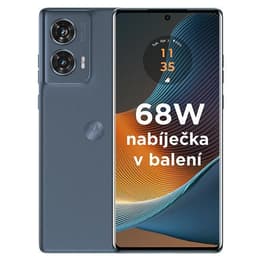
The Motorola Edge 50 Fusion, released in 2024, and the Nokia X30, launched in 2022, are both Android smartphones designed to offer a balanced experience. While the Edge 50 Fusion is a more recent entrant with updated specifications, the Nokia X30 emphasizes sustainability and a commitment to software longevity. This comparison will explore their key differences in design, performance, display, and camera capabilities to help you determine which device aligns best with your needs.

Scores

Durability

When considering the long-term usability of these devices, their release timelines and software support policies are key factors. The Motorola Edge 50 Fusion, being newer, generally benefits from a longer expected support window.

  • Release Timeline: The Motorola Edge 50 Fusion was released in April/May 2024, making it a more recent device. The Nokia X30 was launched earlier, in September 2022. This difference in release date directly impacts their remaining software support. [11, 12, 15, 17, 19, 2, 3, 5, 22, 23]
  • Software Longevity: The Motorola Edge 50 Fusion launched with Android 14 and is expected to receive three major OS upgrades, with Android 17 being its last major update, alongside four years of security updates. The Nokia X30 launched with Android 12 and was promised three OS upgrades, but user reports indicate that Android 15 will not be released, meaning it will likely stop at Android 14. Both devices receive regular security patches. [4, 11, 13, 14, 16, 20, 23, 29, 31, 32, 35, 36, 37]
  • Durability Features: The Motorola Edge 50 Fusion boasts an IP68 rating for dust and water resistance, offering robust protection against environmental elements. It features a glass front with Gorilla Glass 5. The Nokia X30 has an IP67 rating for dust and water resistance and is protected by Gorilla Glass Victus on its display. The Nokia X30 also highlights its use of recycled aluminum for its frame and recycled plastic for its back, emphasizing an eco-friendly design. [7, 15, 19, 21, 25, 14, 2, 3, 16, 23, 28, 31]

Release year

2024

2022

Compatible with latest Update

Yes

No

Operating system

Android

Android

Foldable

No

No

Performance

The performance of a smartphone is crucial for daily tasks, app responsiveness, and multitasking. Both devices offer capable hardware, but their underlying processors and memory configurations lead to different real-world experiences.

  • Processing Power: The Motorola Edge 50 Fusion is equipped with a current-generation processor that handles demanding applications and multitasking smoothly. The Nokia X30 features a processor that provides a responsive experience for everyday use and general navigation. [4, 8, 14, 17, 25, 1, 2, 3, 5, 6, 16]
  • Multitasking and Storage: The Edge 50 Fusion is available with up to 12GB of RAM and offers storage options up to 512GB, utilizing UFS 2.2 technology. This allows for efficient multitasking and ample space for applications and media. The Nokia X30 comes with up to 8GB of RAM and up to 256GB of storage, with some variants supporting UFS 3.0, providing a solid foundation for typical smartphone usage. [7, 8, 14, 17, 25, 1, 2, 3, 5, 6]
  • Battery Behavior: The Motorola Edge 50 Fusion includes a 5000 mAh battery, which users report often provides excellent longevity, frequently lasting through a full day of heavy use and sometimes extending to two days for lighter users. It supports 68W fast charging. The Nokia X30 has a 4200 mAh battery, generally offering comfortable all-day power, though heavy users might find it requires more frequent charging. It supports 33W fast charging. [4, 7, 8, 14, 17, 21, 25, 1, 2, 3, 5, 6, 16, 22, 24, 28, 31, 33]

Memory (GB)

12 GB

8 GB

Screen quality

The display is a primary interface for any smartphone, and both the Motorola Edge 50 Fusion and Nokia X30 offer vibrant viewing experiences, though with distinct characteristics.

  • Display Technology and Size: The Motorola Edge 50 Fusion features a larger 6.7-inch pOLED 'Endless Edge' display, which provides deep blacks and vibrant colors, curving slightly at the edges. The Nokia X30 comes with a 6.43-inch AMOLED 'PureDisplay', also known for its rich contrast and color reproduction. [4, 7, 8, 10, 12, 14, 19, 25, 27, 1, 2, 5, 6, 9, 16, 23, 28, 31]
  • Resolution and Refresh Rate: Both devices offer Full HD+ resolution (2400x1080 pixels), ensuring clear and sharp visuals for everyday content. The Edge 50 Fusion boasts a higher 144Hz refresh rate, contributing to exceptionally smooth scrolling and fluid animations. The Nokia X30 provides a 90Hz refresh rate, which still offers a noticeably smoother experience compared to standard 60Hz displays. [4, 7, 8, 10, 14, 15, 19, 21, 25, 27, 1, 5, 6, 9, 16, 28, 31]
  • Brightness and Clarity: The Motorola Edge 50 Fusion can reach a peak brightness of 1600 nits, making it highly visible even in bright outdoor conditions. It also supports 10-bit color and DCI-P3 wide color gamut for accurate color representation. The Nokia X30 offers a peak brightness of 700 nits, which is generally sufficient for indoor and moderate outdoor use. [4, 14, 19, 27, 16, 28, 31]

Resolution

1080 x 2400

1080 x 2400

Screen type

P-OLED

AMOLED

Audiovisual

For many users, camera performance is a decisive factor. Both the Motorola Edge 50 Fusion and Nokia X30 offer capable camera systems, each with its strengths in different scenarios.

  • Rear Camera System: The Motorola Edge 50 Fusion features a dual rear camera setup, including a 50MP main sensor with optical image stabilization (OIS) and a 13MP ultra-wide lens that also functions for macro photography. The Nokia X30 also has a dual rear camera, with a 50MP main sensor featuring OIS and a 13MP ultra-wide lens with a wider field of view. [4, 7, 10, 14, 17, 25, 27, 1, 2, 3, 5, 6, 16, 22, 23, 24, 28, 31]
  • Photography Performance: The Edge 50 Fusion generally performs well in good lighting conditions, with its main sensor capturing detailed images. Its selfie camera is also noted for good clarity. The Nokia X30 is praised for its low-light performance, utilizing features like Night Mode 2.0 and Dark Vision, though some users note colors can sometimes appear overly vibrant or HDR can be aggressive. [11, 18, 21, 25, 27, 22, 24, 28, 31, 33]
  • Video Capabilities and Front Camera: The Motorola Edge 50 Fusion supports 4K video recording at 30 frames per second with its rear camera and features a 32MP front camera. The Nokia X30 records video at up to 1080p at 30 or 60 frames per second, lacking 4K capability, and has a 16MP front camera. [10, 14, 28, 31, 4, 7, 10, 14, 17, 25, 1, 2, 3, 5, 6, 28, 31]

Main camera

50 megapixels

50 megapixels

Front camera

32 megapixels

16 megapixels

Miscellaneous

Beyond the core specifications, several practical elements contribute to the overall user experience and differentiate these two smartphones.

  • Connectivity and Ports: Both devices offer 5G connectivity, Wi-Fi, and Bluetooth for modern wireless communication. The Motorola Edge 50 Fusion uses a USB-C port (USB 2.0) and lacks a headphone jack. The Nokia X30 also features a USB-C 2.0 port and does not include a headphone jack. [7, 8, 14, 1, 2, 5]
  • Biometric Security: For secure access, both smartphones incorporate an in-display fingerprint sensor and support face unlock. These methods provide convenient and quick authentication. [4, 14, 17, 1, 2, 5, 16, 31]
  • Design and Handling: The Motorola Edge 50 Fusion has a slim profile, measuring 7.9mm in thickness and weighing around 175 grams, contributing to comfortable handling. It offers various back finishes, including vegan leather and PMMA. The Nokia X30 is slightly thicker at 8mm and weighs 185 grams, featuring a design that emphasizes recycled materials. The Edge 50 Fusion includes stereo speakers with Dolby Atmos, while the Nokia X30 has a single bottom-firing speaker. [8, 14, 19, 25, 4, 8, 11, 2, 19, 28, 33]

Weight

175 oz

185 oz

Screen size (in)

6.7

6.43

Network

5G

5G

SIM card

Dual Physical SIM

Dual Physical SIM

Carrier compatibility

Unlocked

Unlocked

User feedback for the Motorola Edge 50 Fusion often highlights its attractive design, vibrant 144Hz pOLED display, and impressive battery life with fast charging as key strengths. Some users have noted that while its processor handles daily tasks well, it might not be ideal for intensive gaming or heavy multitasking, and there have been occasional reports of camera app lag. The camera performs commendably in good lighting, and the selfie camera is generally well-received. [11, 18, 21, 25, 27]

The Nokia X30 is frequently praised for its commitment to sustainability, robust build quality with recycled materials, and surprisingly strong low-light camera performance. However, common criticisms include its processor not being the most powerful in its class, the lack of 4K video recording, and concerns regarding its software update policy, with reports indicating it may not receive the promised Android 15 update. Its battery life is generally considered sufficient for a full day, but not exceptional for heavy users. [22, 24, 28, 29, 31, 33]

Users prioritizing a newer device with a smoother, higher refresh rate display, faster charging, and potentially longer battery life for general use may find the Motorola Edge 50 Fusion well-suited to their needs. Its IP68 rating also offers enhanced durability. Conversely, individuals who value an eco-conscious design, a sturdy build with Gorilla Glass Victus, and strong low-light photography capabilities might lean towards the Nokia X30. Both devices offer a quality-assured refurbished option, providing a sustainable choice for consumers looking to extend the life cycle of electronic products.

See all articles

Our recent comparisons