
Compare models
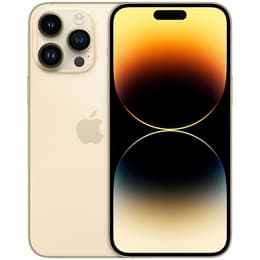
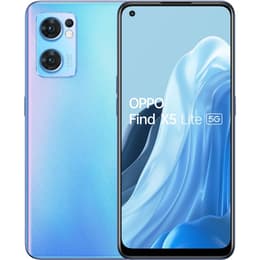
iPhone 14 Pro Max vs Oppo Find X5 Lite
- 1-year warranty
- Free standard shipping
- Free 30-day returns
Differences at a glance
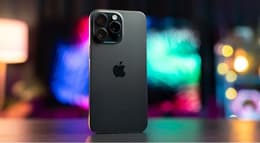
The Apple iPhone 14 Pro Max (2022) and the Oppo Find X5 Lite (2022) represent different segments of the smartphone market, catering to distinct user preferences and mobile ecosystems. While the iPhone 14 Pro Max operates on Apple's tightly integrated iOS platform and focuses on top-tier processing capabilities, the Oppo Find X5 Lite runs on Android with Oppo's customized interface and targets users seeking a lightweight, balanced everyday experience. The primary differentiators lie in their ecosystem architecture, processing power, and materials engineering, shaping how each device fits into daily routines.
Available Models
Colour
Storage (GB)
Scores
Durability
When evaluating structural longevity and software support, both devices handle multi-year deployment differently based on their initial market positioning and manufacturer update policies.
- Software support lifecycle: The iPhone 14 Pro Max benefits from an extended window of official operating system updates and security patches, whereas the Oppo Find X5 Lite typically receives a shorter duration of major Android version updates.
- Repairability and durability standards: The iPhone 14 Pro Max utilizes rigid stainless steel frames and reinforced glass designed to withstand long-term wear, while the Oppo Find X5 Lite employs a lighter plastic composite construction that requires careful handling over extended usage periods.
Release year
2022
2022
Compatible with latest Update
Yes
No
Operating system
iOS
Android
Foldable
No
No
Performance
System responsiveness and hardware efficiency dictate how smoothly each device handles intensive multitasking, gaming, and everyday utility applications.
- Multitasking and processing capability: The iPhone 14 Pro Max handles demanding 3D games, high-resolution video editing, and background processes seamlessly, while the Oppo Find X5 Lite manages standard day-to-day apps, web browsing, and casual multitasking reliably.
- Storage configuration and battery behavior: The iPhone 14 Pro Max offers larger baseline storage tiers and a high-capacity battery designed to endure long days of heavy screen-on time, whereas the Oppo Find X5 Lite features moderate storage options and rapid charging speeds that compensate for its smaller battery cell during typical daily use.
Screen quality
Visual output characteristics vary significantly between the two models in terms of panel technology, maximum brightness, and motion fluidity.
- Display panel and outdoor visibility: The iPhone 14 Pro Max utilizes an advanced OLED panel capable of reaching very high peak brightness levels for clear visibility under direct sunlight, while the Oppo Find X5 Lite features a bright AMOLED screen suitable for indoor and moderate outdoor viewing conditions.
- Refresh rate and smoothness: The iPhone 14 Pro Max incorporates an adaptive high refresh rate for fluid scrolling and animations, whereas the Oppo Find X5 Lite utilizes a standard high refresh rate that ensures smooth visual transitions across common user interfaces.
Resolution
1290 x 2796
1080 x 2400
Screen type
LTPO Super Retina XDR OLED
AMOLED
Audiovisual
Optics and multimedia configurations determine how effectively each smartphone captures photos, records video, and handles audio playback.
- Camera system versatility: The iPhone 14 Pro Max equips a multi-lens array with a high-resolution main sensor, dedicated optical zoom, and stabilization features that excel in complex low-light environments, while the Oppo Find X5 Lite provides a reliable triple-camera setup geared toward straightforward everyday snapshots and social media sharing.
- Video recording and audio output: The iPhone 14 Pro Max supports cinematic video recording formats with advanced stabilization, complemented by balanced stereo speakers, whereas the Oppo Find X5 Lite delivers standard high-definition video capture and clear single-speaker audio output for media consumption.
Main camera
48 megapixels
64 megapixels
Front camera
12 megapixels
32 megapixels
Miscellaneous
Physical dimensions, connectivity standards, and daily handling characteristics establish the practical ergonomics of each smartphone.
- Build materials and physical handling: The iPhone 14 Pro Max is a heavier device with a large footprint and premium glass-and-steel construction, while the Oppo Find X5 Lite offers a remarkably slim, lightweight profile that rests comfortably in one hand or pocket.
- Connectivity and security sensors: Both devices support modern 5G networks and Wi-Fi standards, but they differ in biometric security, utilizing a facial recognition system on the iPhone and an under-display fingerprint reader on the Oppo.
Weight
120 oz
173 oz
Screen size (in)
6,7
6.43
Network
5G
5G
SIM card
Physical SIM + eSIM
Dual Physical SIM
Carrier compatibility
Unlocked
Unlocked
Connector
Lightning
USB-C
What the community thinks
User feedback from online communities highlights distinct patterns of satisfaction for both devices. Owners of the iPhone 14 Pro Max frequently praise its reliable all-day battery performance, fluid display technology, and robust video recording capabilities, though some users note its heavier physical weight during prolonged one-handed use. Conversely, users of the Oppo Find X5 Lite often appreciate its lightweight form factor, comfortable ergonomics, and swift charging speeds, while observing that its processing power and speaker output are better suited for standard everyday tasks rather than heavy mobile gaming.
Users prioritizing deep ecosystem integration, advanced mobile photography, and long-term software support may prefer the iPhone 14 Pro Max, while users prioritizing a lightweight physical build, comfortable handling, and straightforward everyday functionality will find the Oppo Find X5 Lite well-suited to their needs. Exploring a quality-assured refurbished option through platforms like Back Market provides an eco-friendly alternative for acquiring either device while supporting sustainable technology choices. Ultimately, the choice depends on which set of hardware features and platform ecosystems aligns most closely with individual daily routines.