
iPhone
Compare models
Differences at a glance
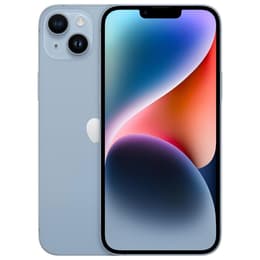
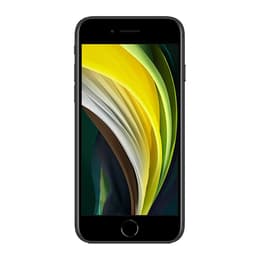
The iPhone 14 Plus, released in October 2022, and the iPhone SE 2020, launched in April 2020, represent different approaches within Apple's smartphone lineup. While both devices operate on Apple's iOS ecosystem, they cater to distinct user preferences through their size, display technology, and overall feature sets. The iPhone 14 Plus offers a significantly larger display and enhanced battery capacity, alongside more advanced camera capabilities and newer safety features. In contrast, the iPhone SE 2020 provides a more compact form factor with a traditional Home button design.
Colour
Storage (GB)
The longevity of a smartphone is influenced by its release timeline, physical resilience, and software support. These two models offer differing expectations in these areas.
Release year
Compatible with latest Update
Operating system
Foldable
Performance is a key differentiator, with the newer device incorporating more advanced processing capabilities for demanding tasks.
The visual experience varies significantly between these two iPhones, primarily due to differences in display technology and size.
Resolution
Screen type
Camera capabilities show a notable progression, with the newer model offering a more versatile and advanced imaging system.
Main camera
Front camera
Beyond core features, several practical elements contribute to the overall user experience and daily convenience.
Weight
Screen size (in)
Network
SIM card
Carrier compatibility
Connector
Users frequently praise the iPhone 14 Plus for its exceptional battery life, often noting its ability to last through extended periods of heavy use, sometimes even two full days. Its large, vibrant OLED display is also a common highlight for media consumption and general viewing. Some users, however, mention that its 60Hz refresh rate is a noticeable difference compared to higher-end models. The camera system is generally well-regarded for its improved low-light performance and new safety features like Crash Detection.
The iPhone SE 2020 is often lauded for its compact size and the continued presence of Touch ID, appealing to those who prefer a smaller device or the traditional Home button. Its performance, driven by a capable processor, is frequently cited as a strong point for its category. Criticisms often revolve around its smaller, less vibrant LCD screen and its battery life, which some users find requires daily charging. The absence of Night Mode in its camera is also a frequent point of discussion.
Users prioritizing a large, immersive display, extended battery life, and advanced camera features will find the iPhone 14 Plus well-suited to their needs. Its newer processor and longer software support timeline also make it a strong choice for those seeking a device with a longer practical lifespan. Conversely, individuals who value a compact design, one-handed usability, and the familiarity of Touch ID may prefer the iPhone SE 2020. Both devices offer access to the Apple ecosystem, and choosing a quality-assured refurbished option for either model can be an eco-friendly alternative for consumers.