
Compare models

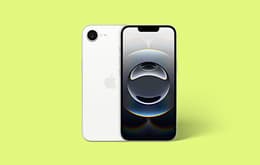
Google Pixel 9 Pro vs iPhone 16e

  • 1-year warranty
  • Free standard shipping
  • Free 30-day returns
Google Pixel 9 Pro
Starting at

Refurbished price:A$760.00

Versus A$2,205.75 new

See options
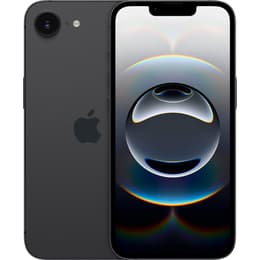
iPhone 16e
Starting at

Refurbished price:A$688.00

Versus A$999.00 new

See options

Differences at a glance

The Google Pixel 9 Pro (2024) and the iPhone 16e (2025) represent two distinct approaches to modern smartphone engineering, running on the Android and iOS operating systems respectively. While the Google Pixel 9 Pro is a fully-featured flagship device focused on versatile multi-lens photography and deep system intelligence, the iPhone 16e serves as a streamlined, efficient option designed to deliver core ecosystem performance in a simplified package.

Choosing between these two models primarily depends on whether you prefer the customisation flexibility of Android or the seamless integration of Apple's software environment, alongside differing hardware priorities.

Available Models

Colour

Storage (GB)

Scores

Durability

Both devices are built for long-term ownership, though they handle software maintenance and structural resilience differently.

  • Software Support: The Google Pixel 9 Pro benefits from an extensive update commitment providing many years of major operating system upgrades, while the iPhone 16e relies on Apple's traditionally long software lifecycle and frequent security patches.
  • Build and Repairability: Both models feature robust water and dust resistance alongside durable glass and aluminium construction, though repair infrastructure varies depending on whether you choose authorized service networks for iOS or independent repair options for Android.
  • Expected Lifespan: Thanks to powerful internal components and generous memory capacities, both smartphones maintain sufficient capability to handle future software requirements without noticeable slowdowns over years of daily use.

Release year

2024

2025

Operating system

Android

iOS

Foldable

No

No

Performance

Everyday responsiveness and multitasking capabilities differ slightly due to hardware configuration and software optimization across both models.

  • Multitasking and Memory: The Google Pixel 9 Pro includes a large RAM allocation that keeps numerous demanding apps open simultaneously, whereas the iPhone 16e utilizes efficient memory management to maintain smooth switching between standard tasks.
  • App Loading and Gaming: Both devices handle intensive mobile games and productivity software smoothly, translating current-generation processing power into quick launch times and stable frame rates.
  • Battery Behaviour: The Google Pixel 9 Pro features a slightly larger battery capacity to support its feature-rich hardware, while the iPhone 16e leverages efficient power draw to comfortably last through a standard day of mixed messaging, browsing, and media playback.

Screen quality

Display characteristics shape how each device handles media consumption, reading, and outdoor visibility.

  • Display Technology: Both smartphones utilize vibrant OLED panel technology, delivering deep black levels, high contrast ratios, and sharp text clarity for reading and viewing photos.
  • Refresh Rate and Fluidity: The Google Pixel 9 Pro offers a high refresh rate display that makes scrolling through web pages and animations appear fluid, while the iPhone 16e utilizes a standard refresh rate optimized for steady visual performance and battery conservation.
  • Outdoor Brightness: Both screens feature high peak brightness capabilities, ensuring that menus, maps, and notifications remain legible under direct sunlight.

Resolution

1280x2856

2532x1170

Audiovisual

Photographic hardware and media recording tools vary significantly between these two choices, catering to different content creation styles.

  • Camera Array: The Google Pixel 9 Pro equips a versatile multi-lens system including a dedicated telephoto zoom lens for distant subjects, while the iPhone 16e focuses on a streamlined single main camera setup supplemented by high-resolution sensor cropping.
  • Low-Light and Everyday Shots: Both devices excel at capturing balanced, natural-looking photographs in challenging lighting conditions, aided by computational photography algorithms.
  • Video and Audio: Video recording is stable and detailed on both models with crisp microphone clarity for calls, while their built-in stereo speakers deliver clear sound for casual media playback.

Front camera

42 megapixels

TrueDepth 12MP

Miscellaneous

Physical dimensions and connectivity standards influence daily handling comfort and peripheral compatibility.

  • Connectivity: Both smartphones support modern 5G networks, fast Wi-Fi standards, and Bluetooth for connecting wireless accessories and headphones.
  • Ports and Biometrics: The iPhone 16e utilizes a universal USB-C port and 3D facial recognition, whereas the Google Pixel 9 Pro features a USB-C connection alongside an ultrasonic in-screen fingerprint sensor.
  • Handling and Weight: The Google Pixel 9 Pro provides a slightly heavier, tactile feel with its polished frame, while the iPhone 16e offers a lighter, compact form factor that fits easily into smaller pockets.

Weight

199 oz

167 oz

Screen size (in)

6.3

6.1

Network

5G

5G

SIM card

Physical SIM + eSIM

Physical SIM + eSIM

Carrier compatibility

Unlocked

Unlocked

What the community thinks

User feedback highlights distinct preferences for each device depending on daily workflow habits. Owners frequently praise the Google Pixel 9 Pro for its expansive screen real estate, versatile multi-lens zoom capabilities, and deep system customisation options. Conversely, users often commend the iPhone 16e for its streamlined simplicity, reliable battery efficiency, and effortless integration into the broader Apple ecosystem. Some critics note that the Pixel 9 Pro can feel heavy during prolonged one-handed use, while others point out that the iPhone 16e's single camera limits flexibility for macro or long-distance photography.

Users prioritizing advanced zoom photography and extensive multitasking headroom may prefer the Google Pixel 9 Pro, while users seeking a lighter device with straightforward software and reliable daily efficiency will likely lean toward the iPhone 16e. For those looking to make a sustainable choice, a quality-assured refurbished option provides an eco-friendly alternative that reduces electronic waste without compromising on functional capability. Ultimately, selecting the right device depends on which operating system environment and physical format best match your personal daily routine.