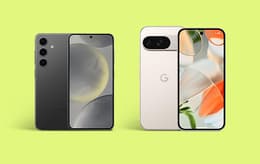
Compare models
Google Pixel 9 Pro vs iPhone 14 Plus
- 1-year warranty
- Free standard shipping
- Free 30-day returns
Differences at a glance
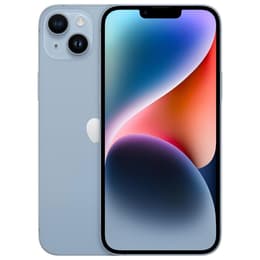
The Google Pixel 9 Pro (2024) and the iPhone 14 Plus (2022) represent distinct approaches to smartphone design within their respective operating systems. While the Pixel 9 Pro focuses on compact flagship ergonomics paired with advanced on-device computing features, the iPhone 14 Plus prioritizes a larger display and extended battery capacity within Apple's established ecosystem. These devices differ fundamentally in their release timing, software platforms, and physical dimensions, catering to distinct user preferences for daily mobile computing.
Available Models
Colour
Storage (GB)
Scores
Durability
When evaluating the longevity and maintenance expectations of these two models, several structural differences in software support and hardware durability emerge.
- Software longevity: The Google Pixel 9 Pro benefits from an extended multi-year support policy covering software updates and security patches for an extended period, whereas the iPhone 14 Plus follows Apple's standard multi-year update timeline, though its earlier release year means its support window concludes sooner.
- Repairability and build: Both models utilize durable glass and metal frames combined with high water-resistance ratings, while independent repair data indicates varying access to spare parts depending on regional service networks.
- Expected lifespan: Users can anticipate several years of reliable daily performance from both devices, though the newer release date of the Pixel provides an extended operational window for software updates.
Release year
2024
2022
Compatible with latest Update
Yes
Yes
Operating system
Android
iOS
Foldable
No
No
Performance
System responsiveness and hardware capabilities shape how each device manages demanding applications, multitasking workflows, and power consumption.
- Multitasking and everyday speed: Both devices handle standard web browsing, social media applications, and heavy background tasks smoothly, aided by generous memory allocations that keep active applications ready without stuttering.
- Battery behavior: The iPhone 14 Plus leverages its larger physical footprint to accommodate a high-capacity battery that easily sustains intensive use throughout a full day, while the Pixel 9 Pro balances a compact profile with efficient power management for reliable daily endurance.
- Storage configurations: Both smartphones offer multiple tiered storage capacities to accommodate large media libraries and application data without requiring immediate cloud offloading.
Screen quality
Display technologies vary significantly between the two models in terms of size, peak brightness, and panel responsiveness during daily viewing.
- Panel technology and clarity: Both devices utilize vibrant OLED display panels that deliver deep contrast levels, sharp resolutions, and vivid color reproduction suitable for streaming media and reading text.
- Refresh rate smoothness: The Google Pixel 9 Pro features a high refresh rate panel that enables fluid scrolling and responsive touch feedback, whereas the iPhone 14 Plus utilizes a standard refresh rate for its panel.
- Outdoor visibility: High peak brightness capabilities on both screens ensure that content remains legible under direct sunlight, though adaptive brightness systems behave differently across the two operating systems.
Resolution
1280x2856
1284 x 2778
Screen type
LTPO OLED
Super Retina XDR OLED
Audiovisual
Imaging capabilities and multimedia output differ across both hardware configurations, influencing everyday photography and video recording.
- Lens versatility: The Google Pixel 9 Pro incorporates a versatile triple-camera array including a dedicated telephoto lens for optical zoom, while the iPhone 14 Plus relies on a dual-camera system emphasizing wide and ultra-wide perspectives.
- Low-light and processing: Computational photography algorithms on the Pixel excel at balancing high-contrast lighting scenarios and detailed night photography, whereas Apple's imaging pipeline focuses on natural color fidelity and consistent exposure in standard conditions.
- Audio and video: Both smartphones record stable, high-resolution video with clear multi-microphone audio capture, making them reliable tools for casual content creation and media consumption through integrated stereo speakers.
Main camera
50 megapixels
12 megapixels
Front camera
42 megapixels
12 megapixels
Miscellaneous
Physical attributes and connectivity standards define the ergonomic handling and integration potential of each device.
- Physical dimensions: The iPhone 14 Plus offers a noticeably larger screen and expansive workspace at the cost of increased weight and footprint, whereas the Pixel 9 Pro provides a more compact, pocket-friendly form factor for single-handed use.
- Connectivity and ports: Both models support modern 5G cellular networks, high-speed Wi-Fi standards, and Bluetooth accessories, relying on their respective proprietary or universal port standards for charging and wired data transfer.
- Biometric security: Security authentication is handled via secure facial recognition on the Apple device, while the Google alternative offers both facial scanning and an integrated under-display fingerprint sensor.
Weight
199 oz
203 oz
Screen size (in)
6.3
6,7
Network
5G
5G
SIM card
Physical SIM + eSIM
Physical SIM + eSIM
Carrier compatibility
Unlocked
Unlocked
What the community thinks
User feedback from online forums highlights distinct preferences for each device based on everyday handling and software habits. Common praise for the Google Pixel 9 Pro centers on its sophisticated camera processing, responsive display refresh rate, and extended software support timeline. Conversely, users frequently praise the iPhone 14 Plus for its expansive viewing area, reliable battery endurance, and seamless integration within the broader Apple ecosystem. Common criticisms for the Pixel involve occasional warmth during intensive tasks, while iPhone users sometimes note the limitation of a standard screen refresh rate.
Users prioritizing a larger viewing canvas and extended battery endurance will find the iPhone 14 Plus well-suited to their daily routines, while users who value a compact form factor, high refresh rate display, and versatile zoom optics may lean toward the Google Pixel 9 Pro. For buyers exploring sustainable purchasing alternatives, a quality-assured refurbished option provides a reliable way to acquire either device while minimizing environmental impact. Ultimately, the choice depends on individual preferences for operating systems, screen dimensions, and specific camera configurations.