
Galaxy Z Fold4 vs iPhone 12 Pro Max

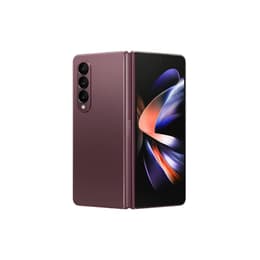
Galaxy Z Fold4
Galaxy Z Fold4
Starting at

Refurbished price:A$734.00

Versus A$3,628.00 new

See options
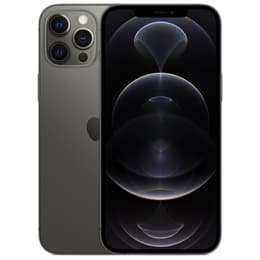
iPhone 12 Pro Max
iPhone 12 Pro Max
Starting at

Refurbished price:A$430.00

Versus A$1,249.00 new

See options

Ratings

The Samsung Galaxy Z Fold4 (released in August 2022) and the iPhone 12 Pro Max (released in November 2020) represent distinct approaches to smartphone design and functionality. While the Z Fold4 offers a unique foldable form factor with a large internal display, the iPhone 12 Pro Max provides a traditional, large-screen experience. These devices operate on different ecosystems, with the Z Fold4 running Android and the iPhone 12 Pro Max utilizing iOS, catering to varied user preferences and digital habits.

Scores

Durability

The physical longevity and software support for these two devices reflect their different release years and engineering priorities.

  • Software Longevity: The Galaxy Z Fold4 launched with a commitment to four major Android OS updates and five years of security updates, meaning it is expected to receive updates until Android 16 and security patches until 2027. The iPhone 12 Pro Max, despite its earlier release, benefits from Apple's typically long software support, with major iOS updates expected until around 2027.
  • Physical Resilience: The iPhone 12 Pro Max features a robust design with a stainless steel frame and Ceramic Shield front cover, offering a high degree of durability against drops and scratches. The Galaxy Z Fold4 incorporates a complex hinge mechanism and a flexible internal display, which, while improved over previous generations, requires more mindful handling. It also boasts IPX8 water resistance, meaning it can withstand submersion in water, but lacks official dust resistance.
  • Expected Practical Lifespan: Both devices are built to last, but the Z Fold4's newer release date generally means a slightly longer period of guaranteed software and security updates from its manufacturer. User reports suggest that while the Z Fold4's foldable screen is more durable than often perceived, the hinge mechanism can show signs of wear over extended use.

Release year

2022

2020

Compatible with latest Update

Yes

Yes

Operating system

Android

iOS

Foldable

Yes

No

Performance

Daily tasks and demanding applications are handled with distinct approaches to hardware efficiency and user interface design.

  • Processing Power: The Galaxy Z Fold4 is equipped with a more recent-generation processor, allowing it to handle demanding applications, intensive multitasking, and graphic-heavy games with smooth responsiveness. The iPhone 12 Pro Max, while featuring an older processor, still delivers a highly responsive experience for everyday use and most applications, benefiting from the optimized iOS ecosystem.
  • Multitasking Efficiency: With 12GB of RAM, the Galaxy Z Fold4 is designed for heavy productivity, allowing users to run multiple applications side-by-side on its expansive internal screen without significant slowdowns. The iPhone 12 Pro Max, with 6GB of RAM, offers capable multitasking for a traditional smartphone, though it doesn't provide the same split-screen real estate.
  • Battery Behavior: The Galaxy Z Fold4 has a 4400 mAh battery, while the iPhone 12 Pro Max features a 3687 mAh battery. The Z Fold4's battery life can vary significantly depending on the usage of its larger, power-intensive internal display, often requiring more strategic charging for heavy users. The iPhone 12 Pro Max is known for its efficient power management, providing a full day of use for many users, even with its smaller battery capacity.

Memory (GB)

12 GB

6 GB

Screen quality

The display technologies and viewing experiences offered by these two devices cater to different user preferences.

  • Display Technology and Size: The Galaxy Z Fold4 features two Dynamic AMOLED 2X displays: a 7.6-inch foldable internal screen and a 6.2-inch cover screen, both offering vibrant colors and deep blacks. The iPhone 12 Pro Max has a single 6.7-inch Super Retina XDR OLED display, also known for its excellent color accuracy and contrast.
  • Refresh Rate and Smoothness: Both the internal and cover displays of the Galaxy Z Fold4 offer an adaptive refresh rate of up to 120Hz, resulting in smoother scrolling and more fluid animations. The iPhone 12 Pro Max features a 60Hz refresh rate, which provides a consistent viewing experience but is not as fluid as higher refresh rate displays.
  • Resolution and Brightness: The Z Fold4's internal display has a resolution of 2176 x 1812 pixels, and its cover screen is 2316 x 904 pixels. The iPhone 12 Pro Max offers a resolution of 2778 x 1284 pixels. Both devices provide high clarity for typical viewing and offer good brightness levels for outdoor visibility.

Resolution

1812 x 2176

1284 x 2778

Screen type

Foldable Dynamic AMOLED 2X

Super Retina XDR OLED

Audiovisual

Both devices offer capable camera systems, but with differences in their specifications and features.

  • Rear Camera System: The Galaxy Z Fold4 features a triple-camera setup with a 50MP wide-angle lens, a 12MP ultrawide lens, and a 10MP telephoto lens with 3x optical zoom. The iPhone 12 Pro Max also has a triple 12MP camera system, including wide, ultrawide, and telephoto lenses with 2.5x optical zoom.
  • Photography Performance: The Z Fold4's newer main sensor generally offers improved detail and low-light performance. The iPhone 12 Pro Max, with its LiDAR scanner, enhances autofocus in low-light conditions and enables Night mode portraits. Both are capable of capturing high-quality images in various lighting scenarios.
  • Video Recording Capabilities: The Galaxy Z Fold4 supports video recording up to 8K resolution at 24fps. The iPhone 12 Pro Max offers HDR video recording with Dolby Vision up to 4K at 60fps, providing excellent dynamic range and color accuracy for video content.
  • Front-Facing Cameras: The Z Fold4 includes a 10MP camera on its cover display and a 4MP under-display camera on its main screen. The iPhone 12 Pro Max features a 12MP front camera.

Main camera

50 megapixels

12 megapixels

Front camera

4 megapixels

12 megapixels

Miscellaneous

Beyond core features, several practical elements differentiate these two smartphones.

  • Connectivity: The Galaxy Z Fold4 supports Wi-Fi 6E and Bluetooth 5.2, offering faster wireless speeds and improved connectivity. The iPhone 12 Pro Max supports Wi-Fi 6 and Bluetooth 5.0. Both devices are 5G capable.
  • Ports and Biometrics: The Z Fold4 utilizes a USB-C port for charging and data transfer, while the iPhone 12 Pro Max uses Apple's proprietary Lightning port. For security, the Z Fold4 features a side-mounted fingerprint sensor and face recognition, whereas the iPhone 12 Pro Max relies on Face ID for biometric authentication.
  • Dimensions and Handling: The Galaxy Z Fold4 weighs 263g and has dimensions of 155.1 x 67.1 x 15.8-14.2 mm when folded, expanding to 155.1 x 130.1 x 6.3 mm when unfolded. The iPhone 12 Pro Max weighs 228g and measures 160.8 x 78.1 x 7.4 mm. The Z Fold4 is heavier and thicker when folded but offers a significantly larger screen when unfolded, providing a tablet-like experience.
  • Additional Features: The Galaxy Z Fold4 supports the S Pen (sold separately), enhancing its productivity capabilities. The iPhone 12 Pro Max introduced MagSafe for magnetic accessory attachment and wireless charging.

Weight

263 oz

226 oz

Screen size (in)

7.6

6.7

Network

5G

5G

SIM card

Physical SIM + eSIM

Physical SIM + eSIM

Carrier compatibility

Unlocked

Unlocked

The Samsung Galaxy Z Fold4 and the iPhone 12 Pro Max cater to different user priorities, each excelling in its own domain. User sentiment often highlights the Z Fold4's innovative foldable design and its ability to transform into a tablet-like device as major advantages for multitasking and media consumption. However, some users express concerns about the long-term durability of the foldable screen and hinge, as well as its overall weight and thickness when folded.

Conversely, the iPhone 12 Pro Max is frequently praised for its consistent performance, robust build quality, and the reliability of the iOS ecosystem. Its camera system and battery life were also highly regarded at its release. Criticisms often revolve around its 60Hz display, which is less fluid than many contemporary Android devices, and the proprietary Lightning port.

Users prioritizing a versatile device for productivity, extensive multitasking, and a large, immersive display for media consumption may find the Galaxy Z Fold4 well-suited to their needs. Its unique form factor offers a distinct advantage for those who frequently work with multiple applications or enjoy a larger viewing area. On the other hand, users seeking a reliable, high-performance smartphone with a strong, user-friendly ecosystem, long software support, and a traditional, durable design may lean toward the iPhone 12 Pro Max. Both devices offer a premium experience, and the choice often comes down to individual preferences regarding form factor, operating system, and specific use cases. For those considering either model, exploring quality-assured refurbished options can provide an eco-friendly alternative to extend the life cycle of these advanced devices.

See all articles

Our recent comparisons