
Compare models
Galaxy Z Flip7 vs iPhone SE (2022)
- 1-year warranty
- Free standard shipping
- Free 30-day returns
Differences at a glance
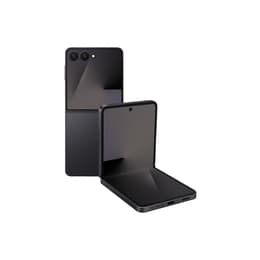
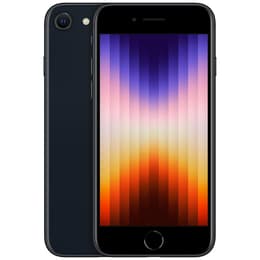
The Samsung Galaxy Z Flip7 (2025) and the Apple iPhone SE (2022) represent two completely different approaches to modern smartphone design, contrasting a contemporary foldable clamshell format with a compact, traditional candybar device. While the Galaxy Z Flip7 features a folding screen and runs on Android, the iPhone SE relies on a classic single-slab body powered by iOS. These structural and software differences dictate distinct daily user experiences.
Available Models
Colour
Storage (GB)
Scores
Durability
When evaluating hardware longevity and software support, both devices handle updates differently based on their respective release schedules and structural designs.
- Software Lifespan: The Galaxy Z Flip7 launched with modern Android software, ensuring extended operating system support, while the iPhone SE (2022) relies on Apple's long-term software update pipeline.
- Structural Resilience: The Galaxy Z Flip7 folds closed to protect its primary screen from scratches when stored, whereas the iPhone SE utilizes a traditional rigid glass-and-aluminum frame with physical home button mechanics.
- Expected Longevity: Both options offer strong multi-year usability, though folding devices require mindfulness regarding the central hinge and flexible display area over extended periods of time.
Release year
2025
2022
Operating system
Android
iOS
Foldable
Yes
No
Performance
Daily speed and multitasking capabilities vary significantly between the two models due to differences in memory capacity and internal architecture.
- Multitasking Capacity: The Galaxy Z Flip7 includes generous random access memory, allowing seamless switching between demanding applications, while the iPhone SE handles everyday tasks efficiently within a lighter system footprint.
- Storage Configurations: Samsung offers higher baseline storage tiers starting at larger capacities, whereas the Apple model provides various tiers suited for moderate media storage.
- Battery Behavior: The Galaxy Z Flip7 features a larger battery split across its folding chassis to support its dual screens, whereas the iPhone SE's compact cell requires more frequent charging during heavy usage periods.
Screen quality
Visual output and display versatility present one of the most noticeable contrasts between these two devices.
- Display Technology: The Galaxy Z Flip7 uses a flexible folding organic light-emitting diode panel complemented by a functional outer cover screen, while the iPhone SE utilizes a traditional liquid crystal display with standard bezels.
- Brightness and Clarity: Samsung's folding screen achieves high outdoor peak brightness levels and smooth refresh rates, whereas Apple's panel maintains standard refresh rates and traditional contrast ratios.
- Viewing Area: Users choosing the Samsung device gain a sprawling screen format that folds down to pocket size, while the iPhone SE offers a strictly compact viewing space.
Resolution
1080x2520
750 x 1334
Audiovisual
Multimedia capture and audio output capabilities cater to different photography habits and media consumption styles.
- Camera Systems: The Galaxy Z Flip7 features versatile dual rear lenses that allow for creative self-portraits using the cover screen, whereas the iPhone SE employs a single rear lens backed by advanced image processing.
- Video and Low-Light: Samsung's hardware handles challenging lighting conditions well with modern sensor technology, while Apple's processing delivers reliable color balance and crisp video stabilization.
- Audio Experience: Both devices deliver clear stereo sound for calls and casual media playback, though neither includes a traditional headphone jack.
Miscellaneous
Physical dimensions, connectivity standards, and daily handling characteristics define the practical usability of each smartphone.
- Form Factor and Handling: The Galaxy Z Flip7 folds in half to easily slip into small pockets, whereas the iPhone SE maintains a very lightweight, thin traditional profile that is easy to operate with one hand.
- Security Authentication: Samsung relies on facial recognition and a side-mounted fingerprint sensor, while Apple uses Touch ID integrated into the physical home button.
- Connectivity: Both models support modern high-speed mobile networks, Bluetooth standards, and wireless charging capabilities.
Weight
188 oz
144 oz
Screen size (in)
6.9
4.7
SIM card
Physical SIM + eSIM
Physical SIM + eSIM
Carrier compatibility
Unlocked
Unlocked
What the community thinks
User feedback on these devices generally highlights distinct preferences depending on individual daily habits. Owners of the Galaxy Z Flip7 frequently praise its space-saving folding design and expansive main display, though some note that the folding crease remains visible under certain lighting conditions. Conversely, users appreciate the iPhone SE for its familiar interface, reliable pocketable size, and physical home button, while frequently pointing out that its battery capacity and screen size feel limited by modern standards.
Users prioritizing a large modern screen, versatile multitasking, and a compact folded footprint will find the Galaxy Z Flip7 well-suited to their needs. Meanwhile, users who prefer a classic single-handed operating experience, traditional physical navigation, and the Apple ecosystem may lean toward the iPhone SE. Choosing a quality-assured refurbished option for either model provides an eco-friendly path to obtaining modern technology while supporting sustainable consumption choices.