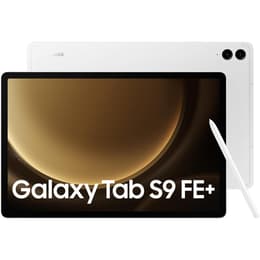
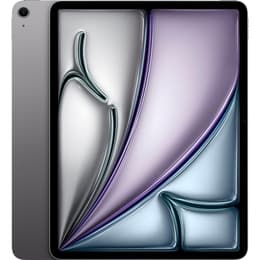

Galaxy Tab S9 FE+ (12.4", 2023) vs iPad Air 7 (2025, M3 series)

Galaxy Tab S9 FE+ (12.4", 2023)
Starting at

Refurbished price:A$738.00

Versus A$974.00 new

See options
iPad Air 7 (2025, M3 series)
Starting at

Refurbished price:A$1,078.92

Versus A$1,199.00 new

See options

The Samsung Galaxy Tab S9 FE+ (Fan Edition Plus), released in late 2023, and the Apple iPad Air M3, launched in 2024, represent two distinct approaches to the tablet experience. While both offer large displays and stylus support, they diverge significantly in their operating systems, core performance, and ecosystem integration. This comparison aims to highlight the practical differences to help users determine which device best suits their needs.

Scores

Durability

When considering the longevity of a tablet, factors such as release timeline, software support, and physical durability play a crucial role. These two devices offer different expectations in these areas.

  • Release Timeline: The Galaxy Tab S9 FE+ was released in October 2023, making it a slightly older model compared to the iPad Air M3, which launched in May 2024. This difference in release year can impact the duration of future software support.
  • Software Longevity: Samsung typically provides four major Android OS updates and five years of security updates for its S-series tablets, including the S9 FE+ series. Apple, on the other hand, is known for offering longer software support for its iPads, often extending to five to seven years of iPadOS updates. This means the iPad Air M3 is likely to receive new operating system features and security patches for a longer period.
  • Durability Features: The Galaxy Tab S9 FE+ features an IP68 rating for dust and water resistance, offering a degree of protection against environmental elements. Both tablets feature aluminum frames, contributing to their overall build quality.

Release year

2023

2025

Compatible with latest Update

Yes

Yes

Operating system

Android

iPadOS

Performance

The performance of a tablet dictates its ability to handle various tasks, from everyday browsing to demanding applications. The Galaxy Tab S9 FE+ and iPad Air M3 offer different levels of processing power and user experience.

  • Processing Capabilities: The Galaxy Tab S9 FE+ is equipped with a processor that handles daily tasks, media consumption, and light gaming smoothly. Users report it is capable for multitasking with several apps open. The iPad Air M3, powered by Apple's M3 chip, delivers a significantly higher level of performance, making it well-suited for intensive applications, professional creative work, and graphically demanding games.
  • Multitasking and Responsiveness: Both tablets offer sufficient RAM configurations to support multitasking. The iPad Air M3's advanced chip allows for smoother transitions and faster processing when running multiple demanding applications simultaneously. Some users of the Galaxy Tab S9 FE+ have noted occasional stutters when under heavy load or with multiple apps running.
  • Battery Behavior: Both devices aim for all-day battery life under typical usage. The Galaxy Tab S9 FE+ has a large battery capacity, with users reporting good battery life for tasks like video playback and note-taking. The iPad Air M3 also offers solid battery performance, typically providing up to 10 hours of usage for mixed tasks.

Memory (GB)

8 GB

8 GB

Screen quality

The display is a primary interface for any tablet, and both the Galaxy Tab S9 FE+ and iPad Air M3 offer large, clear screens with distinct characteristics.

  • Display Technology and Size: The Galaxy Tab S9 FE+ features a 12.4-inch IPS LCD panel with a resolution of 2560 x 1600 pixels. The iPad Air M3 is available in both 11-inch and 13-inch Liquid Retina IPS LCD options, with the 13-inch model offering a 2732 x 2048 pixel resolution. Both provide sharp images and good color reproduction.
  • Refresh Rate and Smoothness: The Galaxy Tab S9 FE+ boasts a 90Hz adaptive refresh rate, which contributes to smoother scrolling and a more fluid visual experience compared to standard 60Hz displays. The iPad Air M3 maintains a 60Hz refresh rate across its models. While the iPad's display is still responsive, the higher refresh rate on the Samsung tablet offers a noticeable difference in motion smoothness for some users.
  • Brightness and Viewing Experience: Both tablets offer good brightness levels for indoor use. The iPad Air M3's display typically offers 600 nits of brightness. The Galaxy Tab S9 FE+ provides good colors, but its maximum brightness might make it challenging to view under direct sunlight.

Resolution

1600 x 2560

2360 x 1640

Screen type

IPS LCD

Liquid Retina display

Pixel density

250ppp

264ppp

Audiovisual

While tablets are not typically primary photography devices, their camera systems are important for video calls, document scanning, and occasional photo capture. Both tablets offer capable camera setups.

  • Rear Camera System: The Galaxy Tab S9 FE+ includes a dual rear camera setup with an 8MP wide lens and an 8MP ultrawide lens. These cameras are suitable for capturing documents and provide decent results in good lighting conditions. The iPad Air M3 features a single 12MP wide rear camera, which is generally considered sufficient for scanning documents and casual photography.
  • Front Camera and Video Calls: Both tablets prioritize the front-facing camera for video conferencing. The Galaxy Tab S9 FE+ has a 12MP ultrawide front camera, which is positioned on the long edge, making it natural for landscape video calls. The iPad Air M3 also features a 12MP ultrawide front camera, now also positioned on the landscape edge, and supports Center Stage, which keeps the user in the frame during video calls.
  • Video Recording and Audio: The Galaxy Tab S9 FE+ can record video at up to 4K resolution at 30fps. The iPad Air M3 supports 4K video recording at various frame rates, including 60fps, and offers cinematic stabilization. Both tablets feature stereo speakers, with the Galaxy Tab S9 FE+ having audio tuned by Harmon-Kardon and Dolby Atmos support. The iPad Air M3 also provides good speaker output.

Miscellaneous

Beyond core performance and display, several practical features contribute to the overall user experience and utility of a tablet.

  • Connectivity and Ports: Both tablets offer modern wireless connectivity, including Wi-Fi and Bluetooth 5.3. The iPad Air M3 supports Wi-Fi 6E, offering potentially faster and more stable connections in compatible environments. Both devices utilize a USB-C port for charging and data transfer. The 13-inch iPad Air M3's USB-C port supports Thunderbolt/USB 4, providing higher data transfer speeds compared to the USB 2.0 standard on the Galaxy Tab S9 FE+.
  • Stylus Integration: The Galaxy Tab S9 FE+ comes with an S Pen included in the box, offering features like screen-off memos, smart select, and translation by hovering. The iPad Air M3 supports the Apple Pencil Pro and Apple Pencil (USB-C), which are sold separately. The Apple Pencil Pro offers advanced features like barrel roll and squeeze gestures.
  • Biometrics and Design: Both tablets incorporate a fingerprint sensor for secure unlocking, integrated into the power button. The Galaxy Tab S9 FE+ has an IP68 rating for dust and water resistance. The iPad Air M3 is known for its slim and lightweight design.

Weight

920 oz

460 oz

Screen size (in)

12.4

11

Network

Wi-Fi

Wi-Fi

Carrier compatibility

Without SIM Port

Without SIM Port

The Samsung Galaxy Tab S9 FE+ and the Apple iPad Air M3 cater to different user preferences and priorities. User feedback for the Galaxy Tab S9 FE+ often praises its included S Pen, vibrant display, and overall value for everyday tasks and media consumption. Some users have noted that while its performance is generally good for daily use, it might experience occasional stutters with very demanding applications. The iPad Air M3 is frequently lauded for its powerful performance, making it a strong contender for users who require a tablet for intensive creative work, advanced multitasking, and demanding applications. However, some users have expressed mixed feelings regarding its 60Hz display refresh rate and occasional thermal throttling under sustained heavy loads.

Users prioritizing a comprehensive Android tablet experience with an included stylus for note-taking and creative expression, alongside robust build quality, may find the Galaxy Tab S9 FE+ well-suited to their needs. Its 90Hz display offers a smoother visual experience for general use. Conversely, users who require top-tier processing power for professional applications, a longer software support window, and are deeply integrated into the Apple ecosystem will likely lean towards the iPad Air M3. Its M3 chip provides significant headroom for future demanding tasks. Both tablets offer a quality-assured refurbished option, providing an eco-friendly alternative for consumers seeking to make informed and sustainable choices.
See all articles

Our recent comparisons